




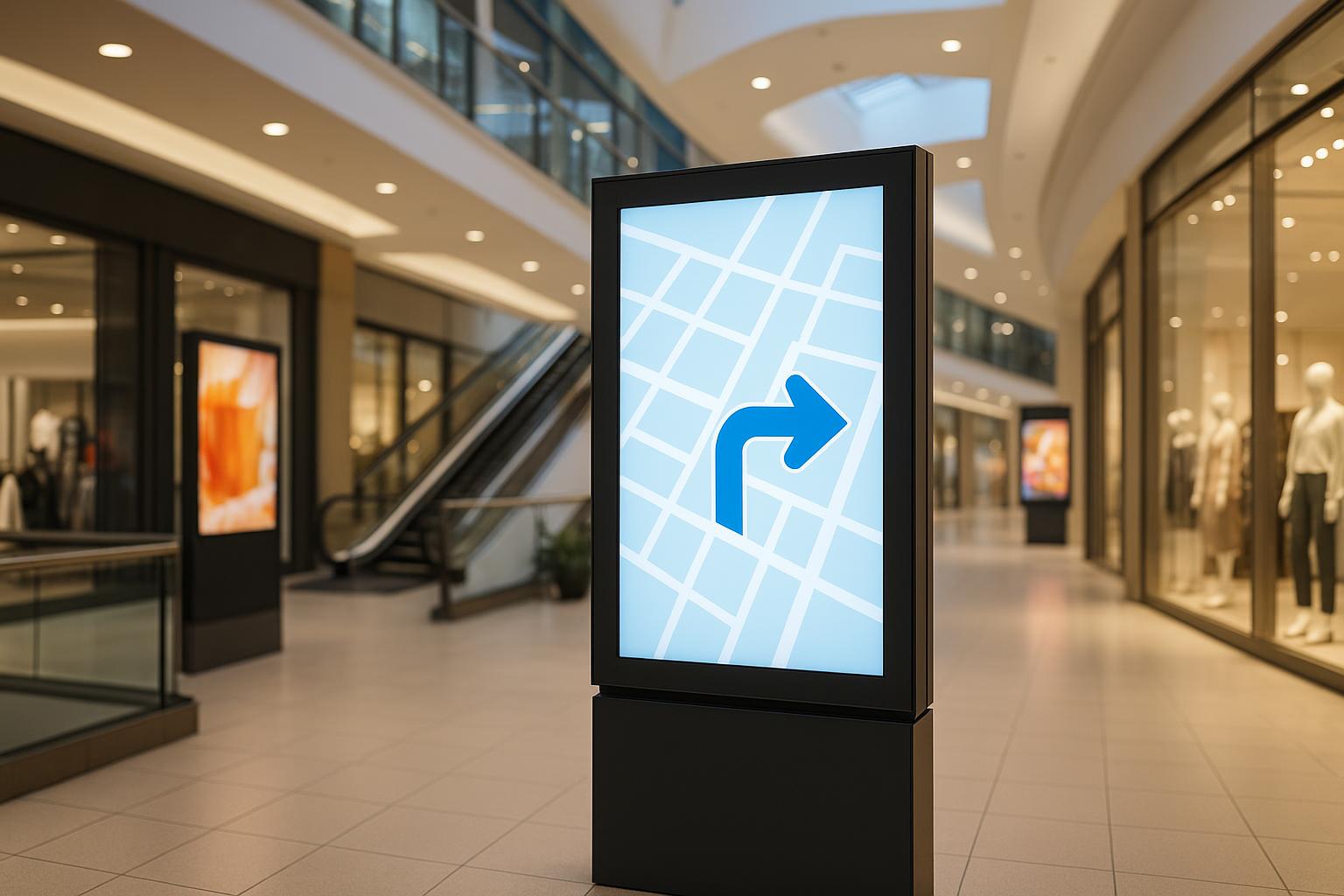
Shopping malls today are rapidly transforming into digitally connected retail environments, and digital signage has become a core part of that evolution. Across major cities and emerging markets alike, malls are deploying large-scale digital display networks to improve navigation, enhance brand communication, and create new advertising revenue streams. Static posters and printed directories are increasingly replaced by dynamic screens, interactive kiosks, and data-driven advertising platforms. As retail competition intensifies and consumer expectations rise, shopping centers must deliver seamless experiences while maximizing every square meter of commercial space. Digital signage now plays a strategic role—not only guiding shoppers efficiently, but also turning foot traffic into measurable advertising ROI and long-term business value.
The Growing Role of Digital Signage in Modern Shopping Malls
Modern shopping malls are rapidly shifting from traditional static signage to fully integrated digital ecosystems. Printed directories and fixed promotional posters can no longer meet the demands of large, multi-level retail environments where store layouts, events, and tenant promotions change frequently. Digital signage offers flexibility, real-time updates, and dynamic content management—making it a strategic infrastructure investment rather than a decorative upgrade.
One key driver of this shift is increased foot traffic complexity. Large malls today often house hundreds of stores, restaurants, entertainment zones, and pop-up events across multiple floors. Navigating such environments can be overwhelming. Static signs quickly become outdated, while digital wayfinding systems can update instantly to reflect store relocations, seasonal campaigns, or temporary closures.
Consumer expectations have also evolved. Shoppers now expect interactive navigation, searchable directories, and personalized recommendations. Touchscreen kiosks and large-format displays allow visitors to locate stores, check promotions, and explore dining options with ease.
For example, a major shopping mall in Kuala Lumpur installed a network of interactive directories and digital advertising screens across five entrances. Within six months, customer service inquiries related to store directions dropped by 28%. At the same time, dynamic advertising placements generated higher engagement compared to traditional lightbox posters.
By integrating wayfinding with advertising, malls can guide shoppers efficiently while simultaneously maximizing advertising ROI—turning digital signage into a dual-purpose revenue and experience engine.
Enhancing Wayfinding: Reducing Friction in Large Retail Spaces
In large shopping centers, effective wayfinding is essential to protecting tenant revenue and improving overall visitor experience. When shoppers struggle to locate stores across multiple floors, frustration increases—and in some cases, potential purchases are lost. Interactive digital directories help eliminate this friction by allowing visitors to search for brands, receive step-by-step navigation, and view real-time updates on store locations or temporary changes.
For example, a regional shopping mall in Melbourne partnered with reliable digital signage suppliers in Australia to deploy a network of interactive wayfinding kiosks across its five main entrances. Before installation, customer service counters reported frequent inquiries about store locations, especially during holiday promotions. After deploying the digital directory system, directional inquiries decreased by over 30%, and foot traffic distribution across upper floors improved noticeably.
The system also integrated event and promotion highlights, guiding shoppers directly to seasonal sales and pop-up exhibitions. Multi-floor animated route guidance made navigation intuitive, reducing confusion in complex layouts.
By improving navigation efficiency, malls not only enhance the consumer experience but also extend dwell time and increase the likelihood of cross-store visits. Reliable digital signage infrastructure ensures that wayfinding remains accurate, dynamic, and commercially beneficial—supporting both visitor satisfaction and tenant performance.
Boosting Advertising ROI Through Targeted Digital Displays
Digital signage in shopping malls is no longer limited to brand awareness—it has become a measurable advertising engine. Compared to static posters or lightbox displays, targeted digital screens allow malls and tenants to deliver programmatic, time-sensitive, and data-driven campaigns that significantly improve return on investment (ROI).
Programmatic advertising enables content to be scheduled dynamically based on time of day, audience flow, or promotional cycles. For example, a fashion retailer can run lunch-hour flash sales between 12:00–2:00 PM, while a cinema promotes evening movie sessions after 6:00 PM. Time-based promotions ensure that messaging aligns with shopper behavior, increasing relevance and engagement.
A large shopping mall in Manila implemented a digital advertising network across entrance halls and escalator zones. Previously, tenants relied on static banners with fixed monthly placements. After transitioning to dynamic displays, the mall introduced store-specific campaigns and cross-promotions—such as promoting a coffee shop next to a bookstore during weekend events. Within six months, participating tenants reported higher engagement rates, and one apparel brand saw a 20% uplift in campaign-related foot traffic during promotional periods.
Unlike static advertising, digital displays allow content rotation, performance tracking, and rapid adjustments. By analyzing dwell time and audience data, mall operators can refine campaigns in real time. This data-driven approach increases conversion rates while maximizing screen utilization.
Ultimately, targeted digital signage transforms advertising from a fixed expense into a strategic revenue tool—delivering measurable ROI and stronger commercial performance for both mall operators and tenants.
Choosing the Right Digital Signage Partner
Selecting the right digital signage partner is a strategic decision that directly impacts long-term performance, maintenance costs, and return on investment. Large-scale mall networks require more than just display hardware—they demand reliable infrastructure, scalable software, and consistent service support. When deploying multi-site retail projects, it is essential to work with reliable digital signage suppliers in Australia or other established markets that understand brightness requirements, durability standards, and centralized CMS capabilities suitable for high-traffic environments.
For example, a regional mall operator in Sydney partnered with Ikinor to upgrade over 60 digital screens across entrances, corridors, and interactive directories. During the planning stage, special attention was given to high-brightness panels for glass-heavy entrances, 24/7 commercial-grade durability, and a cloud-based CMS that enabled centralized control across multiple zones. The result was not only improved visual performance but also streamlined content management and reduced on-site maintenance visits.
Regional support and after-sales service coverage are equally important. Large commercial environments require fast response times and local technical expertise. For Southeast Asian developments, many mall operators evaluate leading digital signage providers in the Philippines to ensure compliance with local installation standards and on-site servicing capabilities.
A reliable partner like Ikinor demonstrates how global manufacturing strength combined with regional expertise can deliver customized, scalable solutions. Ultimately, the right digital signage partner provides not just screens, but long-term operational confidence and commercial value.
Future Trends: Smart Malls, Data Analytics & AI Integration
As shopping malls continue evolving into smart retail environments, digital signage is becoming deeply integrated with data analytics and AI technologies. One major trend is AI-powered audience measurement. Advanced systems can anonymously analyze foot traffic patterns, dwell time, and demographic insights to help operators understand who is viewing specific screens and when. This data enables more precise campaign optimization and better tenant reporting.
Data-driven content scheduling is also transforming mall advertising strategies. Instead of running fixed loops, content can now adjust automatically based on peak hours, visitor profiles, weather conditions, or live events. For example, food and beverage promotions can be prioritized during lunch hours, while fashion campaigns run during weekend shopping peaks.
Integration with loyalty programs further enhances personalization. Digital signage can connect with mall apps or membership systems to display targeted offers, reward reminders, or event invitations. This strengthens customer engagement and increases repeat visits.
Additionally, omnichannel retail connection is becoming critical. Digital screens can support QR codes, mobile coupons, click-and-collect notifications, and online-to-offline campaigns—bridging physical and digital commerce seamlessly.
Digital signage is no longer just a display — it is retail infrastructure.