




Your gums look a little shrunken in the mirror. Or a cold sip stings right at the gumline, and you wonder what changed.
Gum loss can start quietly, with no pain at all. That’s why it pays to learn how receding gums treatment works before the signs get loud. Great Expressions Dental Centers explains the causes, your options, and what happens at your visit.
Main Points Worth Remembering
- Lost gum tissue won’t grow back on its own, but proper care can prevent further loss.
- Causes range from plaque and hard brushing to genes, grinding, and a crooked bite.
- Options start with a deep cleaning and extend to a gum graft, plus fixes for bite or grinding.
- Gums can pull back with no warning signs, so checkups count.
- Gentle brushing with a soft-bristled brush protects what you have.
What Are Receding Gums, and Why Do They Matter?
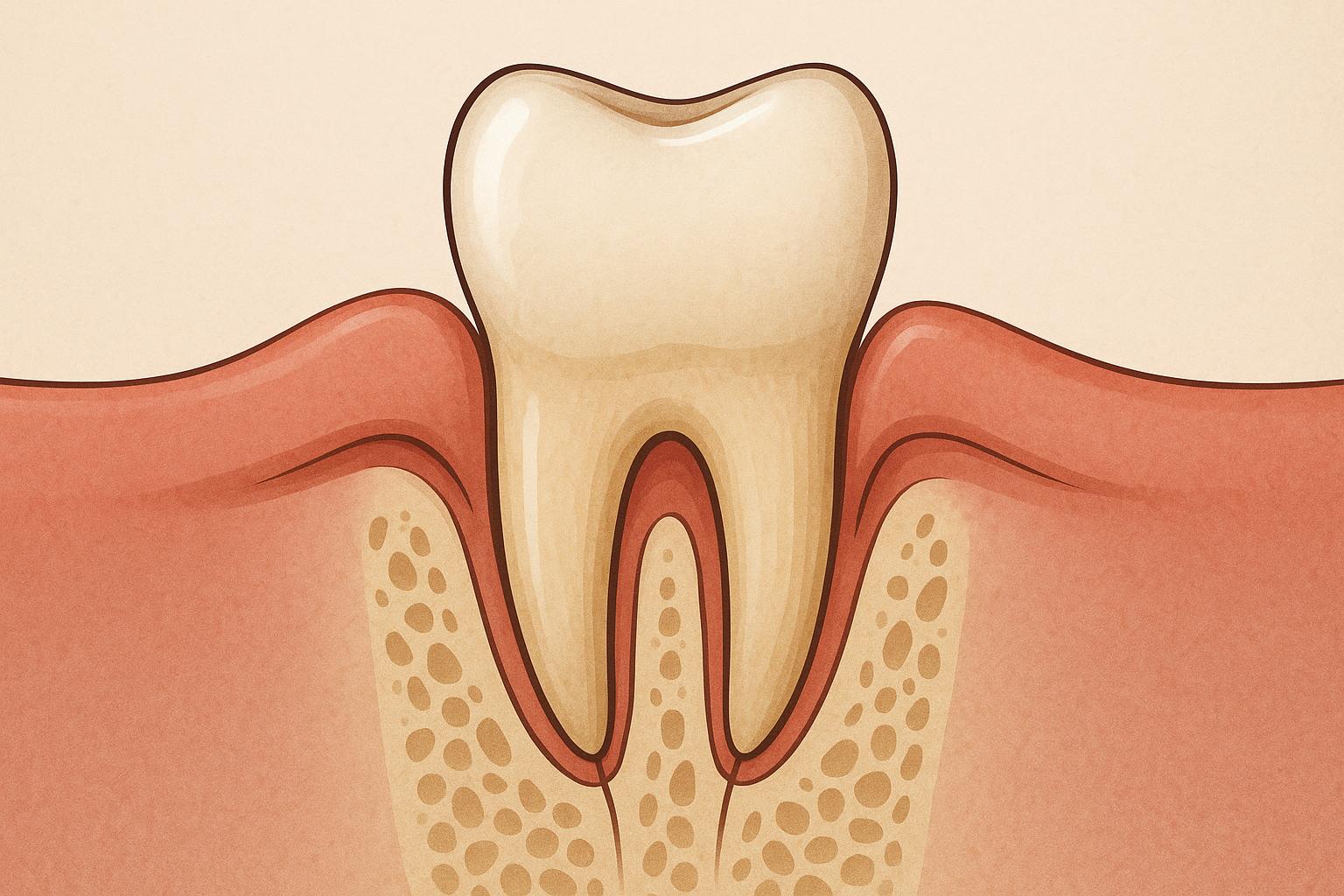
Receding gums have shifted away from the tooth and show more of it. That bears the root. Its covering is softer than the hard enamel on the crown. Bare roots decay more easily and feel sensitive.
Bacteria can slip into the new gaps. Left alone, that’s a path toward tooth loss. Treatment aims to stop it early.
What Causes Gums to Pull Back?
Plaque, hard brushing, genes, and grinding top the list. An exam sorts out which causes apply to you.
- Plaque: Poor oral care lets it build up.
- Hard brushing or flossing: Scrubbing harms enamel and the gums.
- Genes: A parent with gum loss may raise your risk.
- Crooked teeth or a bad bite: Extra rubbing against the gum makes it pull back.
- Grinding or clenching: The added force wears down the gums.
- Hormone shifts: Puberty, pregnancy, and menopause can make women more prone to it.
- Injury: Gums recede at or near a spot you injured.
Some causes are habits you control. Others, like genes, aren’t up to you.
Is Gum Recession the Same as Gum Disease?
They aren’t quite the same, but they overlap. Gum disease starts when bacteria in plaque inflame the gums. The gums then pull away and form pockets that trap plaque beyond the reach of a brush. If untreated, the damage can reach the bone that supports your teeth.
Gum disease is one trigger of recession, but not the only one. That’s why your dentist looks at the whole picture, not just the gumline.
Can Receding Gums Grow Back on Their Own?
No, gum tissue that has pulled away doesn’t regrow by itself. Treatment can stop the loss from getting worse. A dentist replaces missing tissue when needed.
How Does Receding Gums Treatment Work?
It starts with your dentist finding the cause, because the cause decides the plan. Two options work on the gums themselves:
- Deep cleaning (scaling and root planing): It suits early signs of gum disease. Scaling clears plaque and tartar above and below the gumline. Root planing smooths the roots so the gums can reattach.
- Gum graft: This surgery adds new gum tissue where it has worn away.
The right receding gums treatment depends on your cause and how far the gums have pulled back. You’ll hear why one option fits better than another. Dentists sometimes combine steps, such as a deep cleaning along with a graft.
Is a Gum Graft Only About Looks?
No, dentists suggest a graft when recession keeps getting worse or teeth stay sensitive. Some people also choose one for looks, since their teeth look longer. Grafting usually comes into play when other options aren’t a good fit. Whether you need one depends on what the exam shows.
A common choice is a connective tissue graft. The dentist takes tissue from the roof of the mouth and stitches it over the exposed roots. The team numbs the area first and covers the site with a dressing.
Expect soreness and swelling for a few days. The team typically prescribes pain medicine. Your dentist walks you through aftercare, including when to brush near the site.
What if Your Bite or Grinding Is the Cause?
Then the fix targets the bite or the habit, not only the gums. When teeth sit out of line, orthodontics can straighten them and help slow the recession. For grinding or clenching, a nightguard protects your teeth from that force while you sleep.
Why Do Checkups Matter When Nothing Hurts?
Checkups matter because gum recession can happen without any symptoms. A routine visit lets the team spot early signs and suggest a plan. A mirror at home won’t catch everything. That visit is your chance to slow things down before they grow.
How Can You Protect the Gums You Still Have?
Steady daily habits carry the load. Use a soft-bristled toothbrush and ask your hygienist to show you a gentle technique. Stick with your cleaning routine, since it lowers the chance that things get worse.
Good habits also back up any receding gums treatment your dentist suggests. They’re the daily half of the plan.
What to Expect at a Gum Recession Appointment
It’s a standard exam with extra time for your gums. The team starts by listening.
- Before: Jot down when you first noticed the change and what makes your teeth sting. Share your brushing habits and tell the team about any grinding. List your medicines and recent health updates.
- During: Your care team checks your gums and teeth closely, then pinpoints the cause. They go over a plan in plain terms. A deep cleaning takes more than one visit for some people. You may get numbing medicine first.
- After: Stick to the steps your dentist outlines, and keep a gentle routine at home. After a deep cleaning, gums may feel tender and teeth sensitive at first. Your dentist books a return visit to check how you’re healing and to measure how deep your gum pockets are. Reach out sooner if your gums or teeth change.
When to See a Dentist as Your Gums Change
Book a visit as soon as you notice a change in your gums, even if nothing hurts. Pain isn’t the only signal.
- Blood on your brush or floss
- Bad breath that sticks around
- Red, swollen, or sore gums
- Discomfort with hot or cold near the gumline
- A tooth that shifts or wobbles
- Gums that look smaller than before
None of these proves a problem on its own. Each one deserves an exam.
Our Beginnings and Our Reach
We began in 1982. Patients now visit 246 of our offices across Connecticut, Florida, Georgia, Massachusetts, Michigan, New Jersey, New York, Ohio, and Texas. We offer cosmetic dentistry, orthodontics, specialty care, and preventive care.
Give Your Gums Attention Now
Gum changes can sneak up on you, so keep your checkups on the calendar. Once you know what receding gums treatment involves, that first call feels easier. Great Expressions Dental Centers welcomes you in for preventive care that protects your gums.
Find an Office and Book Your Gum Check
Call to schedule an exam, or visit our website to find a location near you. Bring your questions to the chair, and we’ll answer them.