




Key Takeaways
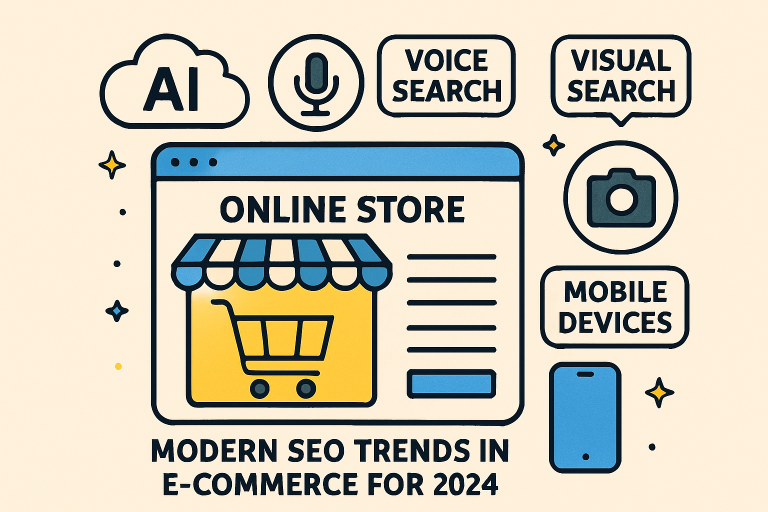
- Embracing AI and machine learning enhances personalized search experiences.
- Optimizing for voice and visual search expands reach to tech-savvy consumers.
- Prioritizing mobile-first design and user experience boosts search rankings.
- Implementing interactive content, such as AR, increases user engagement.
- Focusing on local SEO strategies captures the interest of nearby customers.
Table of Contents
- AI and Machine Learning Integration
- Voice and Visual Search Optimization
- Mobile-First Design and User Experience
- Interactive Content and Augmented Reality
- Local SEO Strategies
Staying at the forefront of the e-commerce landscape means understanding and adapting to the latest SEO strategies. The rapid changes in search technology and consumer behavior continue to reshape how retailers approach online visibility. To remain competitive, brands must apply the latest techniques, from advanced personalization powered by artificial intelligence to the growing importance of voice and visual search. If you want expert guidance tailored to your business, you can reach out to Ecommerce SEO agency for specialized support that keeps you ahead of the curve.
As search engines continue to evolve, online retailers must align their SEO tactics with new trends and consumer expectations. Mobile-first experiences, interactive content, and local search optimizations are just a few strategies that now define success for e-commerce brands in 2026. These tactics collectively contribute to stronger search rankings, increased user engagement, and ultimately higher conversion rates for online stores.
This comprehensive guide outlines the defining SEO trends for online retailers this year and provides actionable insights to optimize your site, improve shopper experiences, and drive more sales. Whether you are a seasoned e-commerce professional or just beginning your digital journey, staying informed on these trends is crucial.
For a deeper understanding of search engine advancements, including the impact of AI on consumer experiences, you may also want to explore reputable publications such as Search Engine Journal’s overview of SEO trends.
AI and Machine Learning Integration
Artificial intelligence (AI) and machine learning are increasingly critical to e-commerce SEO in 2026. These technologies streamline a variety of essential tasks, from automating keyword research to optimizing content for relevant search intent. Using AI, retailers can deliver personalized recommendations and predictive search results based on each user’s browsing habits and purchase history. This heightened personalization not only improves the online shopping experience but also increases engagement and drives higher conversion rates.
Machine learning algorithms analyze vast datasets to anticipate consumer trends and adjust search results in real time. Retailers leveraging these systems find themselves better equipped to address changing demands and enhance business outcomes. As AI becomes increasingly accessible, it is vital for even small- to midsize e-commerce companies to incorporate tools that offer dynamic personalization, smarter content creation, and data-driven insights.
Voice and Visual Search Optimization
Voice and visual search have rapidly grown in popularity due to the widespread adoption of smart devices and advances in image recognition technology. To capitalize on this trend, retailers must ensure their digital content aligns with how people ask questions verbally. This involves integrating natural language phrases and question-based keywords into product descriptions, FAQ pages, and category content.
Visual search, powered by tools like Google Lens, lets consumers find products by image rather than text. Retailers can boost their visibility in these results by properly tagging product images with descriptive file names, alt text, and structured data. This strategy not only helps reach shoppers using alternative search methods but also improves accessibility for visually impaired visitors. Insights from Wired’s analysis of visual shopping trends further highlight the significance of this evolving search method.
Mobile-First Design and User Experience
Google’s pivot to mobile-first indexing means the mobile version of your e-commerce site is now the primary reference point for search rankings. This increasing focus on mobile usability reflects how consumers shop, with the majority of purchases now initiated or completed on smartphones and tablets. Retailers must provide seamless navigation, intuitive interfaces, and lightning-fast loading times to keep both search engines and users satisfied.
A superior mobile experience does more than satisfy algorithms; it increases customer retention and reduces bounce rates. Fast checkout processes, easy-to-read content, and secure, mobile-optimized payment gateways make the journey from product discovery to purchase frictionless. Regularly testing your site’s performance across devices and connection speeds is essential to maintaining a competitive edge.
Interactive Content and Augmented Reality
Interactive content, such as polls, quizzes, and shoppable videos, is increasingly important for captivating and retaining online shoppers. Augmented reality (AR) takes this further by allowing consumers to visualize products in their own environments, a game-changer for furniture, fashion, and beauty brands. When implemented effectively, these interactive elements increase the time users spend on your site, which signals to search engines and also improves customer satisfaction and confidence in purchase decisions.
Emerging AR technologies help reduce return rates, as customers can more accurately assess products before making a purchase. Retailers that integrate interactive and AR features position themselves as forward-thinking brands, offering experiences that are both memorable and functional.
Local SEO Strategies
Local SEO has become increasingly relevant for e-commerce businesses that maintain physical stores or local service options. Optimizing your Google My Business listing, encouraging and responding to customer reviews, and incorporating city- or region-specific keywords into your website all bolster local search visibility. Strong local SEO strategies attract nearby potential customers who are often ready to buy, driving both online and offline sales growth.
Accurate address details, updated store hours, and localized content help build consumer trust and make your business easier to discover. Investing in these optimizations ensures you capture a larger share of the local market, which can be especially important for small businesses and retail chains looking to increase foot traffic and online conversions.
Aligning your SEO strategy with emerging trends allows online retailers to stay ahead in a competitive digital marketplace. By anticipating how shoppers search, browse, and engage, businesses can enhance website visibility, streamline navigation, and deliver content that resonates with user intent. This proactive approach not only improves the overall customer experience but also drives higher engagement and conversions, positioning your brand for stronger sales growth as 2026 progresses.