




John Mullaly is a financial services professional and private investor based in Cohasset, Massachusetts, with more than 25 years of experience in the healthcare and biotechnology sectors. Over the course of his career, John Mullaly has served as a Managing Director at LifeSci Advisors, where he advised small and mid cap life sciences companies on investor relations and capital markets strategy. A graduate of Northeastern University and Boston University Questrom School of Business, he now focuses on strategic growth opportunities in the life sciences industry. Outside of his professional work, he is active in outdoor pursuits, including skiing and mountain biking, and volunteers with a New England based adaptive ski program. Trail running in new environments requires the same thoughtful preparation and awareness that guide his professional and recreational endeavors.
What to Know Before Trail Running in a New Area
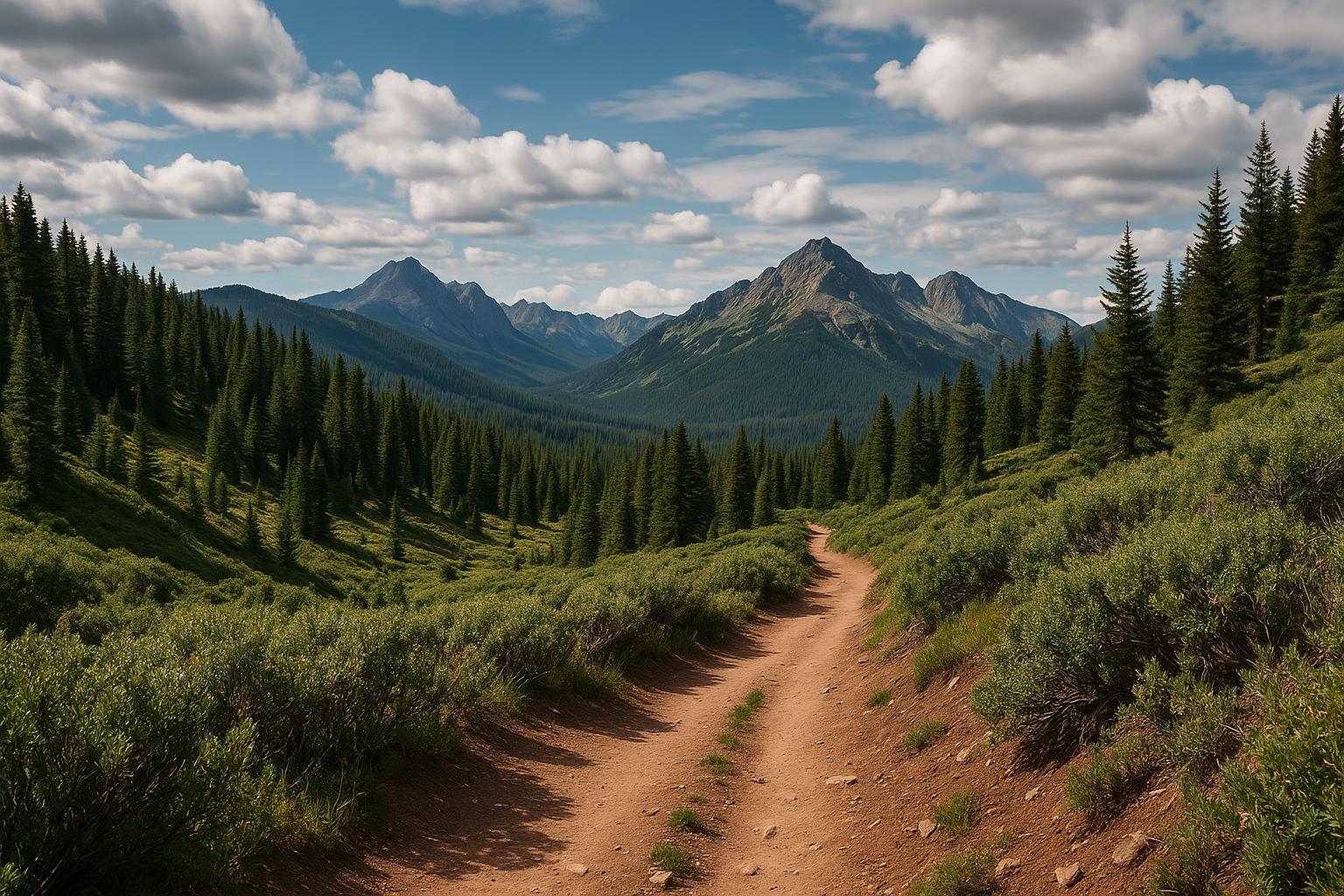
Trail running is running on unpaved, natural paths, offering challenges that paved roads may not. These unfamiliar trails require more preparation than a typical neighborhood loop, especially for those used to sidewalks or bike paths.
First, understand the trail’s layout. Some routes are wide dirt roads, which offer steady footing and easier passing. Others are narrow singletrack trails with rocks, roots, or steep slopes that disrupt rhythm. Shared trails with hikers, bikers, or horses affect space, passing, and pacing.
Runners often rely on distance to judge difficulty, but elevation gain and technical terrain can play a bigger role on trails. A route with sustained climbing and rocky footing can take longer than a flatter path with the same mileage. Apps such as AllTrails display distance, elevation, difficulty ratings, and recent reviews, which can help estimate time and effort.
Surface conditions can shift quickly after storms. Mud, washouts, loose gravel, or rutted sections can change footing and sometimes force a turnaround. Checking recent trail reports and user comments can flag problem stretches and reduce surprises.
Wildlife risks depend on region and season, and many parks and public lands post guidance about animal activity. Following posted rules, giving animals space, and changing plans when activity is high can reduce the chance of a close encounter.
Weather brings another dimension to planning, particularly on exposed ridgelines or higher-elevation routes. Wind may pick up, fog can roll in unexpectedly, and temperatures are liable to shift with little warning, transforming a comfortable run into a cold or low-visibility experience. Checking a forecast specific to the location helps guide clothing choices, timing, and when to turn back.
Route structure affects navigation and return planning. Some trails form loops, while others require an out-and-back return on the same corridor. Junction-heavy systems can include spur trails that look similar, especially in wooded areas. Reviewing the route shape and major junctions ahead of time creates clearer expectations for where turns should occur.
Digital maps help, but backups matter if batteries die or signals fail. Coverage is often poor in forests or canyons, and GPS may be unreliable under thick trees. Offline maps, printouts, or watch files guide runners when phones can’t load data.
A basic communication plan can limit risk if timing changes. Sharing the intended route and an expected return window with a trusted contact is a common safety step on unfamiliar trails. Carrying a small first-aid kit and a little extra food and water also supports safer decision-making after a wrong turn.
Hydration is another challenge that new trail runners often underestimate. Unlike urban routes, many trail systems lack water fountains or stores along the way. Water needs rise with heat and climbing, so carrying enough fluid for the expected duration is a basic planning step.
Trail signage varies from park to park, and markings can be sparse or weather-worn. When the path stops matching the map, or when signs disappear at junctions, turning back early can protect time, energy, and daylight. Over time, a series of first visits to new routes builds a practical skill set: reading terrain cues, matching effort to elevation, and choosing routes that fit available time and conditions. That progression turns unfamiliar trails into familiar options without forcing speed or mileage on day one.
About John Mullaly
John Mullaly is a Cohasset, Massachusetts based private investor in the life sciences industry with more than 25 years of experience in healthcare finance and investor relations. He previously served as a Managing Director at LifeSci Advisors, advising biotechnology companies on institutional investor engagement and capital markets strategy. He holds degrees from Northeastern University and Boston University Questrom School of Business and remains active in outdoor sports and volunteer work in New England.