




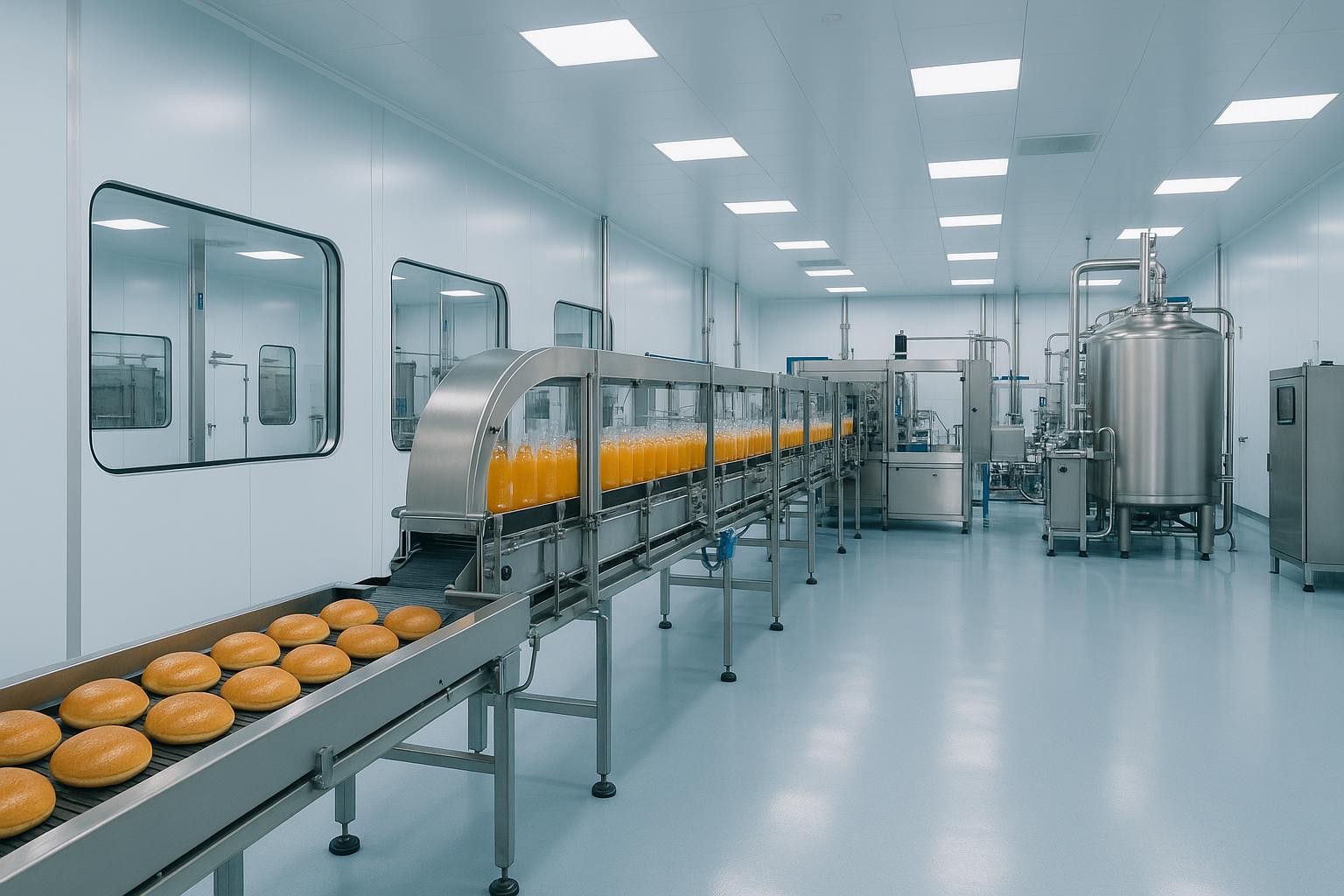
Food and beverage manufacturing has changed significantly in recent years. Consumers expect safer products, brands need more consistent quality, and factories are under pressure to reduce contamination risk without slowing down production. For many producers of bottled drinks, dairy products, nutritional supplements, seasonings, ready-to-eat foods, and aseptic packaging, the answer is no longer just a cleaner workshop. It is a more controlled production environment.
A cleanroom in the food industry does not always need to follow the same requirements as a pharmaceutical sterile room, but the basic idea is similar: reduce airborne particles, control personnel movement, separate clean and less-clean areas, and protect exposed products during sensitive production steps. Filling, mixing, weighing, cooling, and packaging are all stages where environmental control can make a noticeable difference.
One of the biggest contamination sources in any factory is people. Operators move between areas, carry dust on clothing, and open doors throughout the day. This is why controlled entry design is important. Properly installed air shower systems can help remove loose particles from personnel and workwear before they enter the clean production area. More importantly, air showers create a controlled transition point, helping factories manage entry behavior instead of letting people walk directly from ordinary workshops into cleaner zones.
Material transfer is another practical challenge. Packaging components, tools, samples, and small production materials often need to move between rooms. If workers open the main cleanroom door every time something needs to be transferred, pressure stability and cleanliness can be affected. This is where cleanroom pass boxes become useful. A pass box allows materials to move between different areas while reducing unnecessary door openings. Interlock functions can also help prevent both doors from being opened at the same time.
For food and beverage factories, the cleanroom layout should be built around real production habits. A good design separates personnel flow from material flow where possible. It also considers where raw materials enter, where packaging is stored, how waste leaves the area, and how finished goods are transferred out. When the layout is clear, operators work more efficiently and the risk of cross-contamination is reduced.
Airflow design is equally important. In critical zones, filtered air can help protect exposed products from airborne contamination. The air supply and return path should avoid creating turbulence around open filling lines or packaging areas. In some cases, local clean zones may be used around sensitive equipment instead of turning the entire workshop into a high-grade cleanroom. This approach can balance hygiene needs with investment and operating cost.
Surface materials should also be selected with sanitation in mind. Food cleanrooms often require walls, ceilings, doors, and flooring that can handle frequent cleaning. Smooth surfaces, sealed joints, corrosion-resistant materials, and easy-to-clean corners help reduce dust buildup and microbial growth. Stainless steel details, cleanroom-grade panels, and epoxy flooring are commonly used because they are durable and practical for industrial environments.
Another reason food factories are adopting cleanroom concepts is brand protection. A contamination incident can lead to product recalls, damaged reputation, production downtime, and higher inspection pressure. While no facility can eliminate every risk, a controlled cleanroom environment gives manufacturers a stronger foundation for hygiene management.
The key is not to overbuild blindly. A beverage filling area, a dairy packaging room, and a dry powder weighing room may have different cleanliness needs. The cleanroom system should match the product, process, and risk level. When air showers, pass boxes, filtered air supply, cleanroom materials, and workflow planning are used together, food and beverage manufacturers can create a safer and more professional production space.
In conclusion, cleanroom design is becoming a practical tool for modern food production. It helps factories control entry, protect materials, reduce unnecessary door openings, and improve hygiene around critical process areas. For manufacturers looking to upgrade quality control, a well-planned cleanroom can be a smart step toward safer and more stable production.