




Key Takeaways
- Analyzing and addressing the common causes of accidents is vital to prevention efforts.
- Defensive driving can significantly lower the risks for drivers and those around them.
- Keeping up with traffic laws, modern technology, and basic vehicle maintenance helps promote safe travel for all.
Table of Contents
- Common Causes of Motor Vehicle Accidents
- Defensive Driving Techniques
- Importance of Vehicle Maintenance
- Adhering to Traffic Laws and Regulations
- Role of Technology in Enhancing Road Safety
- Pedestrian and Cyclist Safety
- Emergency Preparedness on the Road
- Conclusion
Ensuring road safety is crucial to reducing collisions and saving lives. Every driver, passenger, cyclist, and pedestrian has a role to play in keeping our streets safe. By learning about the common causes of collisions and strategies that reduce risk, individuals can minimize their likelihood of being involved in a motor vehicle accident.
Proactivity in driving, routine vehicle checks, and staying informed about traffic rules boost safety. Collective effort, adherence to guidelines, embracing new tech, and practicing respectful road-sharing among drivers, pedestrians, and cyclists create safer roads. Education and daily cautious choices are key to accident prevention.
Common Causes of Motor Vehicle Accidents
Reducing accidents begins with understanding the leading causes. Today, distracted driving is a primary culprit, with cell phone usage, eating, or adjusting in-car controls pulling attention from the road. Speeding stands as another significant risk. When drivers exceed posted speed limits, both the risk and severity of accidents increase. Impaired driving is also prevalent. Consuming alcohol or drugs undermines coordination, drastically raising the chances of an accident. Finally, adverse weather conditions such as rain, snow, or heavy fog present challenges for even the most cautious drivers, reducing visibility and making roads slippery.
Defensive Driving Techniques
Defensive driving focuses on preparation and anticipation. Maintaining a safe following distance, keeping at least three seconds between vehicles, helps ensure there is enough time to react in emergencies. Constant vigilance is also vital; scan the road ahead for unexpected obstacles or risky driver behaviors. Anticipate drivers around you, staying ready to respond if someone suddenly brakes or swerves. Finally, follow all traffic signals and road signs; predictable, law-abiding actions help prevent confusion and collisions.
Importance of Vehicle Maintenance
Vehicle maintenance is a critical, though often overlooked, aspect of accident prevention. Regular brake inspections will alert you to wear before it becomes dangerous. Properly maintained tires are essential, so check tread depth and pressure at least once a month. All lights, including brake and hazard lights, should be fully functional to maintain visibility at all times. Lastly, monitor your engine oil, coolant, and brake fluid, and refill as needed to prevent mechanical failures that could lead to unsafe situations.
Adhering to Traffic Laws and Regulations
Legal compliance saves lives. Sticking to speed limits is essential, particularly in hazardous or unfamiliar areas. Seat belt use protects both drivers and passengers from serious injuries in the event of a collision and is required by law in most regions. Respecting the right-of-way helps prevent confusion at intersections and reduces the risk of side-impact accidents. Always use signals to indicate turns or lane changes, providing clear communication to other drivers.
Role of Technology in Enhancing Road Safety
Modern automotive technologies are advancing rapidly, offering more tools for accident prevention than ever before. Advanced driver-assistance systems can provide alerts if a vehicle drifts out of its lane or if a collision appears imminent, often automatically applying emergency brakes. GPS navigation systems help drivers avoid traffic jams and hazardous routes. Dash cameras record ongoing trips, providing valuable evidence after an incident. Regularly monitored vehicle systems track engine and tire health, alerting drivers to maintenance needs before problems become severe.
Pedestrian and Cyclist Safety
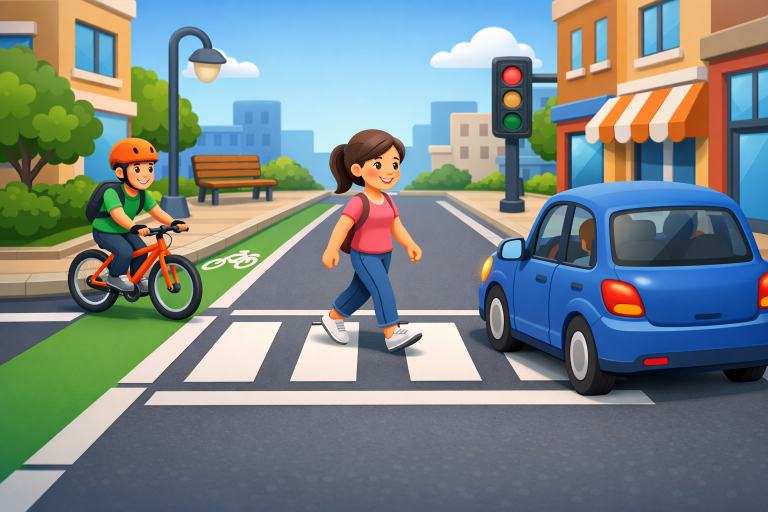
Vehicle drivers share the road with cyclists and pedestrians, whose safety depends on visibility and good judgment. Always yield for pedestrians in crosswalks, and be cautious in areas with heavy foot traffic. Cyclists should be given at least three feet of space when passing. Both drivers and non-drivers should limit distractions to increase awareness of their environment. Obey speed limits, particularly in neighborhoods, near parks, or around schools, to protect vulnerable groups.
Emergency Preparedness on the Road
No matter how prepared you are, emergencies can still happen. Keeping a first aid kit on hand equips you to respond quickly to minor injuries. Always keep a list of emergency contacts and roadside assistance information in your vehicle or on your phone. Emergency supplies like bottled water, snacks, and warm blankets ensure safety and comfort if you’re stranded for an extended period.
Conclusion
Comprehensive road safety is achieved through a combination of personal responsibility, adherence to laws, and the use of modern technology. By understanding accident causes, driving defensively, maintaining vehicles, staying up to date with current regulations, leveraging technology, respecting all road users, and preparing for emergencies, everyone can contribute to a safer driving environment and help reduce the frequency of motor vehicle accidents.