




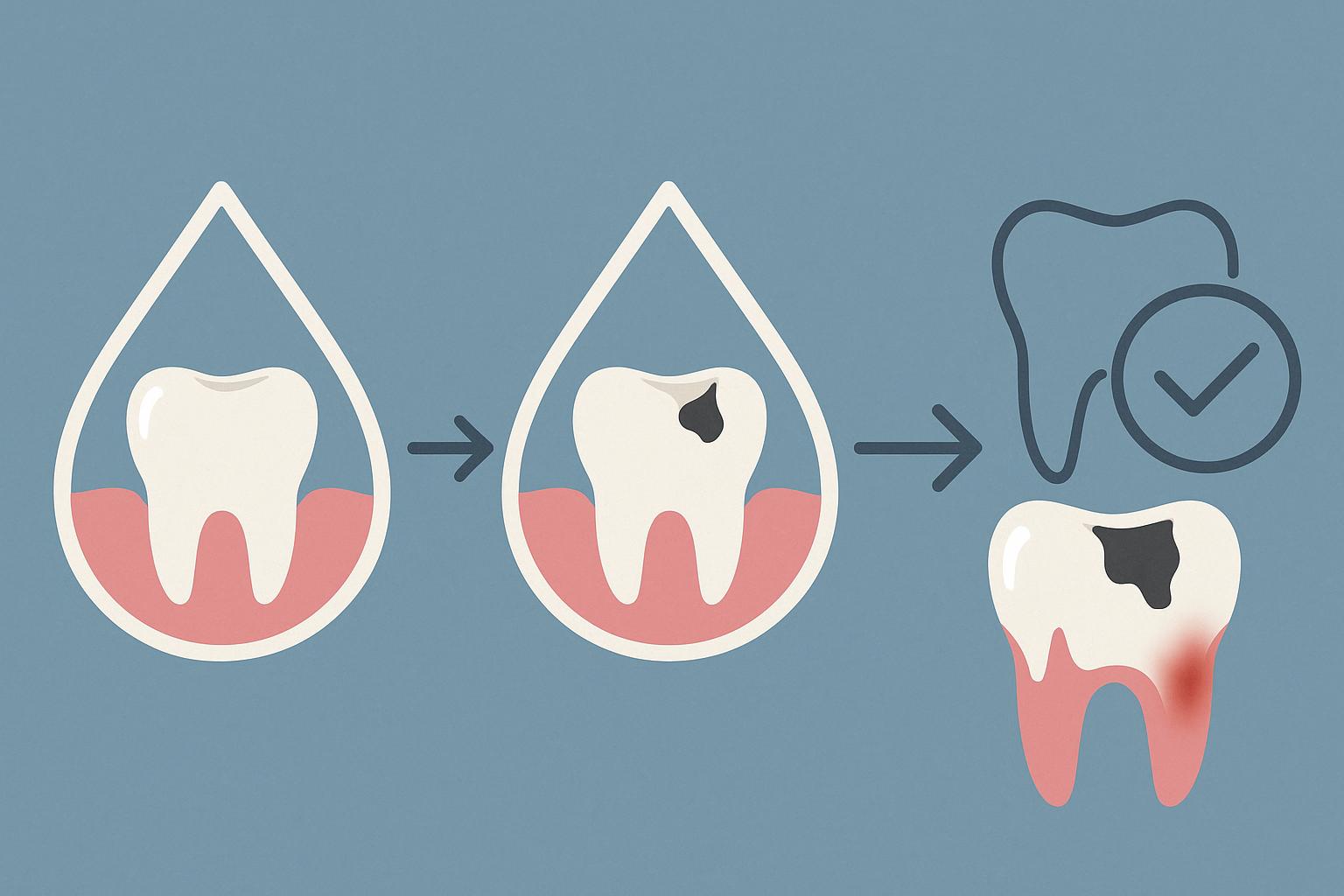
A tooth problem rarely begins with drama. More often, it starts as something easy to dismiss. A quick zing when you drink cold water. A dull ache that comes and goes. A bit of tenderness when you chew on one side. You make a mental note to book an appointment, then life gets busy, the pain settles for a day or two, and suddenly it’s easier to pretend the whole thing has gone away.
The trouble is that teeth don’t always follow the same rules as other aches and pains. A sore muscle might improve with rest, but a damaged or infected tooth usually needs proper attention. By the time someone starts weighing up root canal vs tooth extraction, the decision often feels bigger than expected because it’s no longer just about stopping pain. It’s about saving the tooth, protecting the surrounding teeth, managing cost, and thinking about what the mouth will need in the long run.
The “Wait and See” Stage
Most people give dental pain a grace period. They tell themselves they’ll monitor it. Maybe it’s sensitivity. Maybe they bit down strangely. Maybe it’s nothing. Sometimes that’s true, but ongoing or worsening pain is your mouth’s way of asking for help. The longer you wait, the fewer simple options may be left on the table.
This is where the timeline matters. Early dental problems can sometimes be treated with less invasive care, but once decay, cracks or infection reach deeper into the tooth, the conversation changes. Pain may become more persistent. Swelling might appear. Chewing may become uncomfortable. Sleep can be interrupted. At that point, it’s not just an annoying niggle anymore; it’s a problem affecting daily life.
People often feel embarrassed when they’ve delayed treatment, but dentists see this all the time. Fear, cost, busy schedules and bad past experiences can all make someone postpone care. The useful thing isn’t guilt. It’s getting clear information about what’s happening and what choices are still available.
Saving a Tooth Isn’t Always Simple, But It Can Matter
When a tooth is badly infected or damaged, a root canal may be recommended if the tooth can still be saved. The aim is to remove infected or inflamed tissue from inside the tooth, clean the area, seal it and usually restore the tooth so it can keep functioning. For many people, the idea sounds intimidating because root canals have a reputation they don’t entirely deserve.
Modern dental care is usually much more comfortable than the old horror stories suggest. In many cases, the pain people associate with a root canal is actually the pain of the infection that made treatment necessary in the first place. The procedure is often about getting rid of that pain while keeping the tooth in place.
Keeping a natural tooth can be valuable because it helps maintain bite function, spacing and jaw support. Once a tooth is removed, the gap doesn’t simply become irrelevant. Nearby teeth can shift, chewing can change, and replacing the tooth with an implant, bridge or denture may become a separate discussion.
When Extraction Becomes the Better Option
There are also times when removing a tooth is the more sensible choice. If a tooth is too damaged to restore, has a severe fracture, lacks enough healthy structure, or has a poor long-term outlook, extraction may be recommended. It can also be part of a broader treatment plan if saving the tooth wouldn’t lead to a stable result.
That’s why the best decision isn’t based on fear of one procedure or attachment to one idea. It should come from a proper assessment of the tooth, surrounding bone, gums, bite and overall dental health. Sometimes saving the tooth is the best investment. Sometimes removing it and planning a replacement is more practical. What matters is understanding the trade-offs.
Don’t Let Pain Make the Decision Alone
Tooth pain has a way of making people desperate for the fastest fix, but fast relief and long-term success aren’t always the same thing. A calm conversation with a dentist can help separate what feels urgent from what’s actually best for the future.
The Earlier You Ask, the More Choices You Usually Have
A small toothache can become a big decision if it’s left too long. Getting advice early doesn’t mean committing to a particular treatment straight away; it means understanding what’s happening before the problem makes the choice for you. When you know the condition of the tooth and the realistic options available, the decision becomes less frightening and much easier to make.