




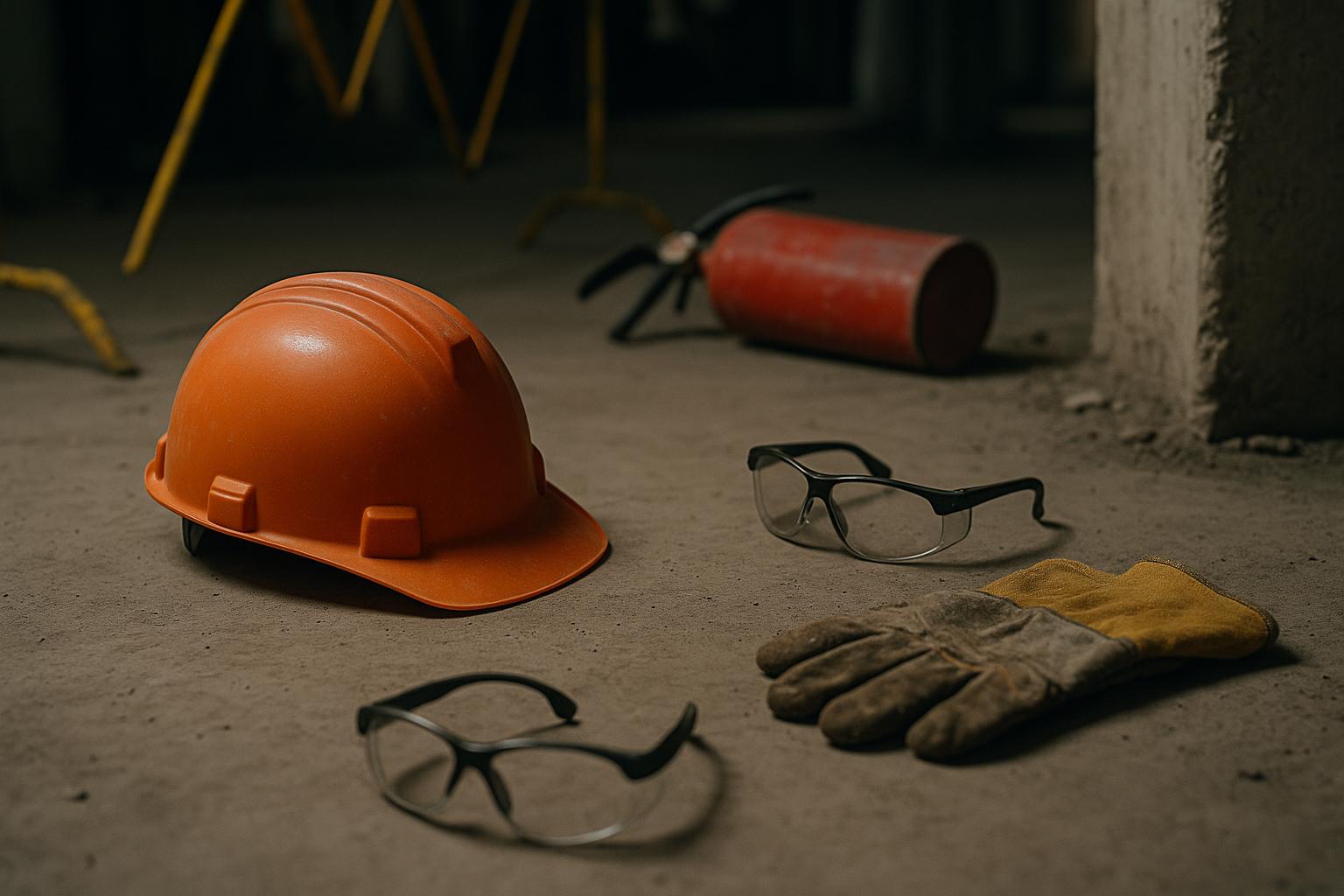
Safety gear has a strange public relations problem: when it’s doing its job, no one talks about it. It sits on shelves, hangs from hooks, lives in gloveboxes, rides in site vehicles, gets clipped to belts and packed into kits. It’s practical, unglamorous and easy to overlook.
Then something goes wrong.
A fall, a cut, a chemical splash, a roadside breakdown, a power outage, a sudden storm, a near miss on site. In that moment, safety gear stops being “the stuff we probably should have somewhere” and becomes the difference between a controlled incident and a much bigger problem. That’s why businesses, households and worksites increasingly treat suppliers like Safe-T-Rex not as a box-ticking exercise, but as part of everyday risk management.
Safety Gear Is Usually Invisible Until It Matters
Most people don’t notice a first aid kit until someone’s bleeding. They don’t think about eye protection until dust, sparks or debris becomes a problem. They don’t care where the torch is until the lights go out. Safety equipment tends to blend into the background because it’s designed for moments people hope won’t happen.
That invisibility can create a false sense of security. A workplace might technically “have” safety gear, but no one knows where it’s stored. A vehicle might carry emergency equipment, but the batteries are flat or the contents are expired. A home might have smoke alarms, but no torch, fire blanket or accessible first aid supplies.
Safety gear only works when it’s current, suitable and easy to reach.
The Wake-Up Call Usually Comes Fast
After an incident, people often say the same things: “We should’ve checked that earlier,” “I thought we had one,” or “I didn’t realise we needed that.”
Those comments are common because risk feels abstract until it turns physical. A slippery floor is just annoying until someone falls. Poor visibility is just inconvenient until a driver doesn’t see a worker. A missing pair of gloves seems minor until someone handles something sharp, hot or contaminated.
The lesson isn’t that every possible danger can be eliminated. It can’t. The point is that preparation reduces panic. When the right equipment is already there, people can respond quickly instead of improvising under pressure.
The Gear People Remember After a Near Miss
Some items become memorable only after they’ve been needed. High-visibility clothing, for example, is easy to dismiss until someone realises how hard it is to see a person near traffic, machinery or low light. Protective gloves seem basic until they prevent a serious cut. Safety glasses feel optional until a small fragment comes dangerously close to someone’s eye.
First aid kits are another obvious example. A properly stocked kit can turn a stressful moment into something manageable. It doesn’t replace professional medical care when that’s needed, but it gives people the tools to act immediately.
Emergency signage, cones, barriers, spill kits, fire safety equipment and respiratory protection all fall into the same category. They’re rarely admired in advance, but they’re very quickly appreciated when conditions change.
Good Safety Planning Is Practical, Not Dramatic
Effective safety preparation doesn’t need to be complicated. It starts with asking realistic questions.
What could go wrong here? Who would be affected? What would people need in the first few minutes? Is the gear close enough to use quickly? Does everyone know where it is? Has anyone checked whether it’s still in good condition?
Those questions apply to construction sites, warehouses, offices, farms, vehicles, schools and homes. The setting changes, but the logic stays the same. Safety gear should match the environment, not just sit there as a generic collection of “just in case” items.
A well-stocked office might need first aid supplies, fire safety equipment and clear evacuation signage. A ute or work vehicle may need roadside equipment, torches, gloves and emergency supplies. A workshop may need eye protection, hearing protection, spill control and durable hand protection. A home might need fire blankets, basic first aid, smoke alarms and emergency lighting.
The Best Equipment Is the Equipment People Can Actually Use
One overlooked part of safety is usability. Gear that’s buried, confusing, damaged or uncomfortable is less likely to be used properly.
People are more likely to wear protective equipment that fits well. They’re more likely to respond calmly if kits are clearly labelled. They’re more likely to follow procedures when the tools are visible and accessible. A safety setup shouldn’t feel like a scavenger hunt.
This is especially important in workplaces where multiple people share responsibility. If only one person knows where everything is, the system is fragile. Clear storage, simple labelling and regular checks make safety less dependent on memory.
Prevention Feels Boring Until It Pays Off
There’s no grand moment when prevention gets applause. No one throws a party because a spill kit was restocked or a pair of safety glasses stayed clean and ready. But that quiet maintenance matters.
The value of safety gear is often measured in what doesn’t happen: the injury that’s less severe, the delay that’s shorter, the confusion that’s avoided, the small incident that doesn’t become a major one.
That’s the real shift. Safety equipment isn’t about expecting disaster around every corner. It’s about respecting the fact that ordinary places can become risky quickly, and that a calm response depends on preparation done earlier.
Final Thoughts
The safety gear people notice after something goes wrong is usually the gear they wish they’d taken more seriously beforehand. It’s easy to overlook when everything’s running smoothly, but in the moments that test a workplace, vehicle or home, it becomes essential.
Good safety planning is rarely flashy. It’s checking, replacing, storing, labelling and choosing equipment that suits the real risks in front of you. It’s the kind of preparation people may not talk about every day, but they’re deeply grateful for when it counts.