




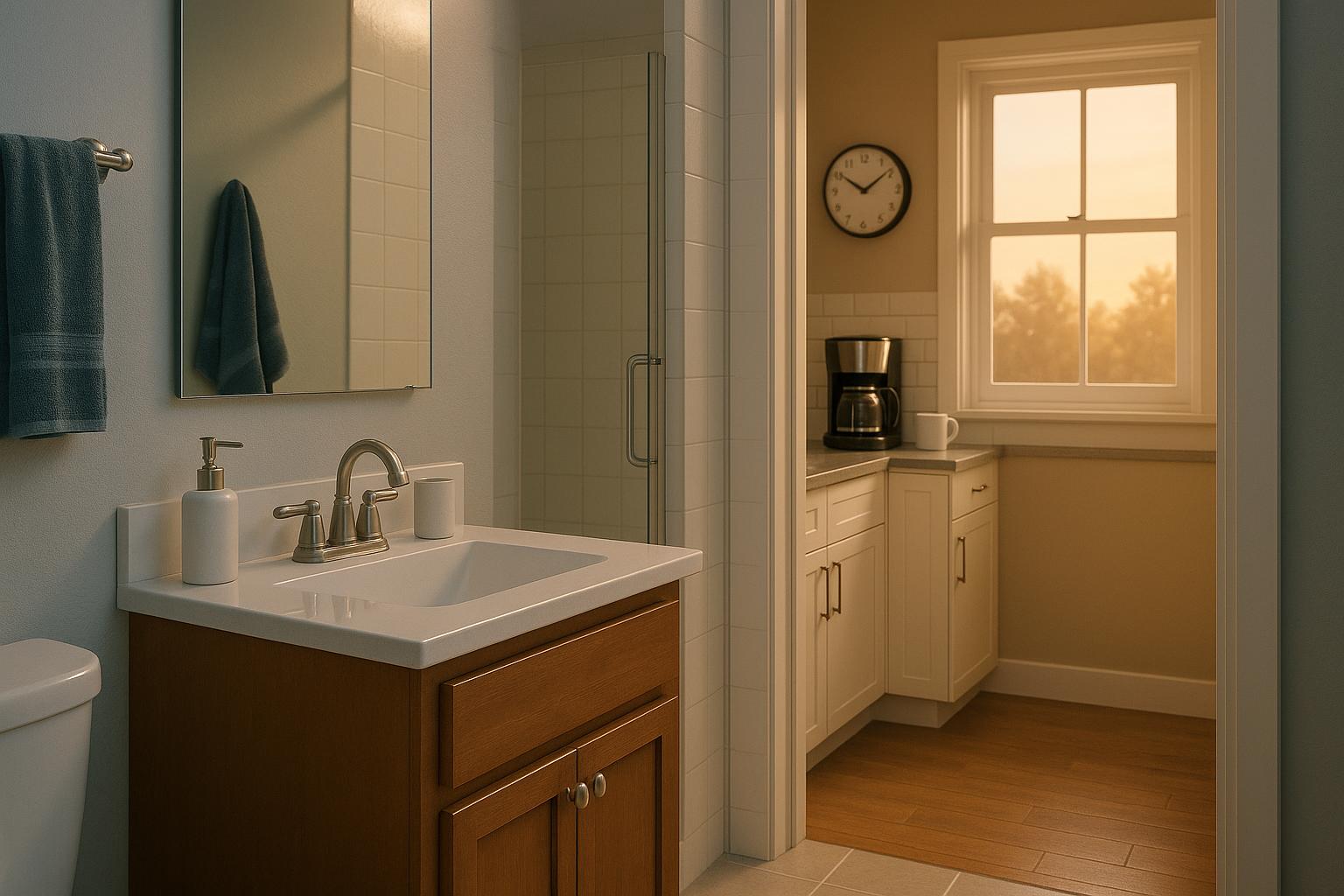
Some renovation decisions announce themselves loudly. A wall comes down. A kitchen is gutted. The budget shifts. The timeline stretches. These are the choices everyone talks about because they’re visible, dramatic, and easy to point at.
Then there are the quieter decisions. The ones you don’t necessarily notice during the planning meeting, but you feel every morning before 8am.
They’re in the way the bathroom handles two people getting ready at once. They’re in the kitchen layout when someone’s making toast, someone else is packing lunches, and nobody can open a drawer without blocking the fridge. They’re in the laundry, the lighting, the placement of power points, and whether the hallway turns into a bottleneck the momentschool bags, shoes, and coffee cups enter the picture.
That’s why working with renovation specialists likeGIA Renovations isn’t just about improving how a home looks. It’s about reshaping the parts of daily life that happen before the day has properly started.
The Morning Rush Reveals Everything
A home can look beautiful at 2pm on a quiet Sunday. The real test is 7:15am on a weekday.
This is when layout choices start showing their true colours. A narrow kitchen walkway becomes a traffic problem. A poorly placed bathroom door interrupts the natural flow of the house. A lack of bench space turns breakfast into a juggling act. Even small oversights, like too few towel rails or no obvious landing spot for keys, can create tiny moments of friction that repeat every day.
Good renovation planning looks at how people actually move. Not how they imagine they move in a clean, silent house, but how they move when they’re half-awake, running late, making decisions quickly, and sharing space with other people doing the same.
Bathrooms Need to Work Under Pressure
Bathrooms carry a lot of pressure in the morning. They need to support speed, privacy, storage, lighting, ventilation, and comfort, often all at once.
A renovation that focuses only on finishes can miss the bigger opportunity. Yes, tiles, tapware, and mirrors matter. But so does the distance between the vanity and shower. So does whether there’s enough storage for everyday items. So does whether the lighting works for shaving, make-up, skincare, or simply looking awake enough for the first meetingof the day.
Double vanities aren’t always necessary, but smart zoning is. A separate toilet, a recessed mirrored cabinet, a walk-in shower, heated towel rails, or better ventilation can change the rhythm of the morning more than a trend-driven feature ever could.
Kitchens Should Reduce Decisions, Not Create Them
Before 8am, the kitchen is less about entertaining and more about logistics.
This is where lunches are packed, coffee is made, medication is taken, water bottles are filled, and someone inevitably asks where the good container lids have gone. A well-renovated kitchen reduces the number of tiny decisions required to get through that routine.
That might mean placing the dishwasher near everyday crockery, keeping the bin close to the prep zone, adding drawers instead of deep cupboards, or creating a breakfast station where the toaster, mugs, coffee, cereal, and spreads live together. None of these choices sound especially glamorous. That’s the point. The best functional decisions often disappear into the background because they simply work.
A kitchen renovation should make the morning feel less like an obstacle course and more like a system.
Storage Is a Mood Setter
Clutter rarely starts as clutter. It starts as a lack of obvious places.
Shoes pile up near the door because there’s nowhere better for them. Bags land on dining chairs because the entry has no drop zone. Laundry sits in baskets because the cupboards don’t match the way the household actually sorts, washes, dries, and folds clothing.
Renovation planning should treat storage as part of the architecture, not an afterthought. Built-in cabinetry, mudroom-style entries, linen storage, laundry joinery, and practical bedroom wardrobes can all reduce the visual noise that makes mornings feel more chaotic than they need to.
The point isn’t to create a showroom-perfect home. It’s to create a home that resets itself more easily.
Lighting Changes the First Hour of the Day
Lighting has a surprisingly strong effect on how a morning feels.
Too dim, and everything feels slow. Too harsh, and the house feels clinical. Poorly placed lighting creates shadows over mirrors, benches, stairs, and work surfaces. A single overhead light in a busy kitchen or bathroom usually isn’t enough.
Layered lighting can make mornings smoother and calmer. Task lighting over vanities and benches helps with precision. Softer ambient lighting supports early starts. Sensor lights in hallways or wardrobes can make movement easier without switching on the whole house.
It’s a practical decision, but it changes the atmosphere immediately.
Power Points Are Boring Until They’re Missing
Nobody dreams about power point placement. Yet everyone notices when it’s wrong.
Phone chargers, electric toothbrushes, hair tools, coffee machines, laptops, robot vacuums, lamps, speakers, baby monitors, and smart home devices all need power. A renovation is the best time to think about where those things actually live, not where they look neat on a plan.
Too few outlets lead to messy adapters and extension cords. Poorly placed outlets create daily annoyance. Well-placed power quietly supports the way a household runs.It’s one of those decisions that feels minor during design, then becomes part of every morning.
Renovation Is Really Routine Design
The most successful renovations don’t just add value to a property. They remove friction from daily life.
Before 8am, people don’t need a home that performs for guests. They need one that helps them get dressed, fed, organised, caffeinated, and out the door with less resistance. That means thinking beyond colours and finishes, and paying close attention to timing, movement, storage, light, privacy, and access. A renovation decision is never just about a room. It’s about the routines that room needs to hold.Get those decisions right, and the difference isn’t only visible in the finished space. You feel it every morning, before the day has even had a chance to become complicated.