




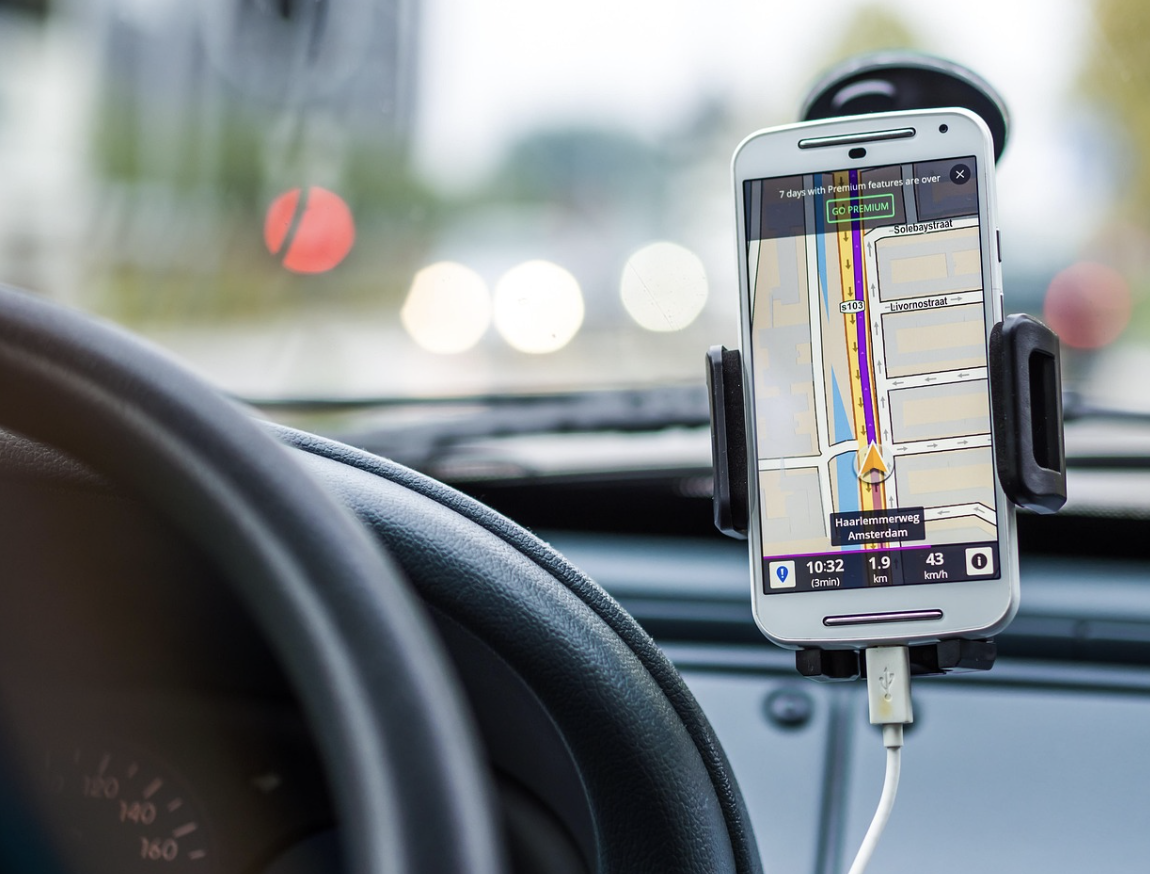
Smartphones cause car accidents. They also prevent them.
The same device that contributes to an estimated 3,308 crash deaths per year through distracted driving, according to NHTSA 2022 data, is simultaneously capable of reducing accident risk through crash detection, navigation optimization, and driver behavior coaching. Whether a smartphone makes you safer or more dangerous depends entirely on how it is used.
The technology stack for safer driving on a smartphone has become genuinely impressive. Here is what is actually worth using and why.
Apple CarPlay and Android Auto: Reducing Distraction Through Integration
The primary safety function of Apple CarPlay and Android Auto is distraction reduction through interface consolidation. Instead of picking up the phone to change a song or read a navigation prompt, the driver interacts with a simplified heads-up display through the car’s existing screen and voice controls.
CarPlay’s Driving Focus mode automatically suppresses non-essential notifications when the device detects driving motion, reducing the temptation to check incoming messages. Google Maps and Waze both integrate with Android Auto, providing voice-guided navigation without requiring the driver to look at or touch the phone.
Studies from the Virginia Tech Transportation Institute found that drivers using voice-controlled interfaces experience cognitive distraction that is meaningfully lower than visual distraction from handheld use, though not zero. The car integration approach is safer than handheld use but not equivalent to undistracted driving.
Crash Detection: Emergency SOS After an Accident
Apple’s Crash Detection feature, introduced with the iPhone 14 series and the Apple Watch Series 8, uses a combination of the device’s accelerometer, gyroscope, barometer, and GPS to identify the specific signature of a motor vehicle crash. When a crash is detected, the device sounds an alert, displays an emergency contact prompt, and automatically calls emergency services if the user does not respond within 10 seconds.
Apple published data indicating that the system detected crashes with sufficient reliability to generate emergency calls that brought help to users who were unconscious or incapacitated. The NHTSA has noted crash detection as a meaningful supplement to roadway safety infrastructure, particularly in rural areas where emergency response times are longest.
The Pixel 8 series from Google includes similar crash detection functionality through Android’s Personal Safety app. Samsung’s Galaxy series supports crash detection through a combination of device sensors and Samsung Health integration.
Driving Safety Apps: What Works
The consumer driving app market includes hundreds of products with varying levels of effectiveness. A few categories stand out from the independent evaluation.
DriveMode is an Android application that automatically activates when the device detects driving motion, suppresses notifications, and auto-responds to incoming messages. It does not require vehicle integration and works on any Android phone. The user can configure which contacts bypass the suppression and receive immediate response capabilities.
LifeSaver Fleet, primarily marketed to businesses, blocks phone use while driving and provides employers with a compliance dashboard. Consumer versions are available for families who want to monitor teen driver phone use. The app works by detecting when the phone is in motion above a threshold speed and progressively disabling manual interaction.
Waze’s community reporting system is a safety tool that goes beyond navigation. Real-time hazard reports from other drivers provide alerts for road debris, accidents ahead, and police locations that no single-vehicle sensor system could generate. The crowd-sourced safety data is most valuable on high-traffic corridors where the user base is dense enough to generate meaningful real-time coverage.
Which Smartphone Safety Features Provide the Most Real-World Value?
Not all driving-related apps and smartphone features offer the same safety benefits. Some are designed to reduce distractions, while others are intended to improve emergency response after a collision.
The features that provide the most practical value include:
- Crash Detection: Available on newer smartphones and smartwatches, these systems can automatically contact emergency services if a severe collision is detected.
- Hands-Free Voice Commands: Voice assistants reduce the need to manually interact with a device while driving.
- Navigation With Real-Time Traffic Updates: Modern navigation apps help drivers avoid congestion, road closures, and accident-prone routes.
- Do Not Disturb While Driving Modes: These settings limit notifications and incoming messages that might distract a driver.
- Driver Behavior Monitoring Apps: Some applications track speeding, hard braking, rapid acceleration, and phone use while driving, providing feedback that can encourage safer habits.
The most effective smartphone safety feature is often the simplest: reducing the need to touch the device while the vehicle is moving. When used properly, smartphones can support safer driving decisions. When used improperly, they remain one of the most significant sources of driver distraction on today’s roads.
The Legal Consequences of Smartphone Distraction After a Crash
As smartphone technology becomes more integrated into daily driving, but is still a larger focus in accident investigations. Following a serious collision, phone records, app activity, text messages, call logs, and other digital records may be reviewed to determine whether a driver was distracted at the time of impact. In some cases, evidence showing that a driver was texting, scrolling social media, or interacting with an app immediately before a crash can play a significant role in establishing liability.
This type of evidence is increasingly relevant in Houston, where distracted driving remains a common factor in serious crashes. Houston car accident attorney Podcast by Sutliff & Stout highlights these cases and explains how digital evidence can help investigators and attorneys reconstruct what happened before the collision.
What Driving Apps Cannot Replace
No smartphone application replaces the safety benefit of a well-engineered vehicle safety system. Crash detection on a phone cannot match the precision of in-vehicle sensors. Voice-controlled navigation cannot eliminate the cognitive load of driving in complex traffic. App-based driver scoring systems, while useful for coaching, cannot match the accuracy of in-vehicle telematics hardware.
The most important safety technology a smartphone provides in a vehicle context is the emergency response capability, crash detection, and Emergency SOS. Beyond that, the phone’s primary contribution to road safety is being put face-down in the center console before the engine starts.