




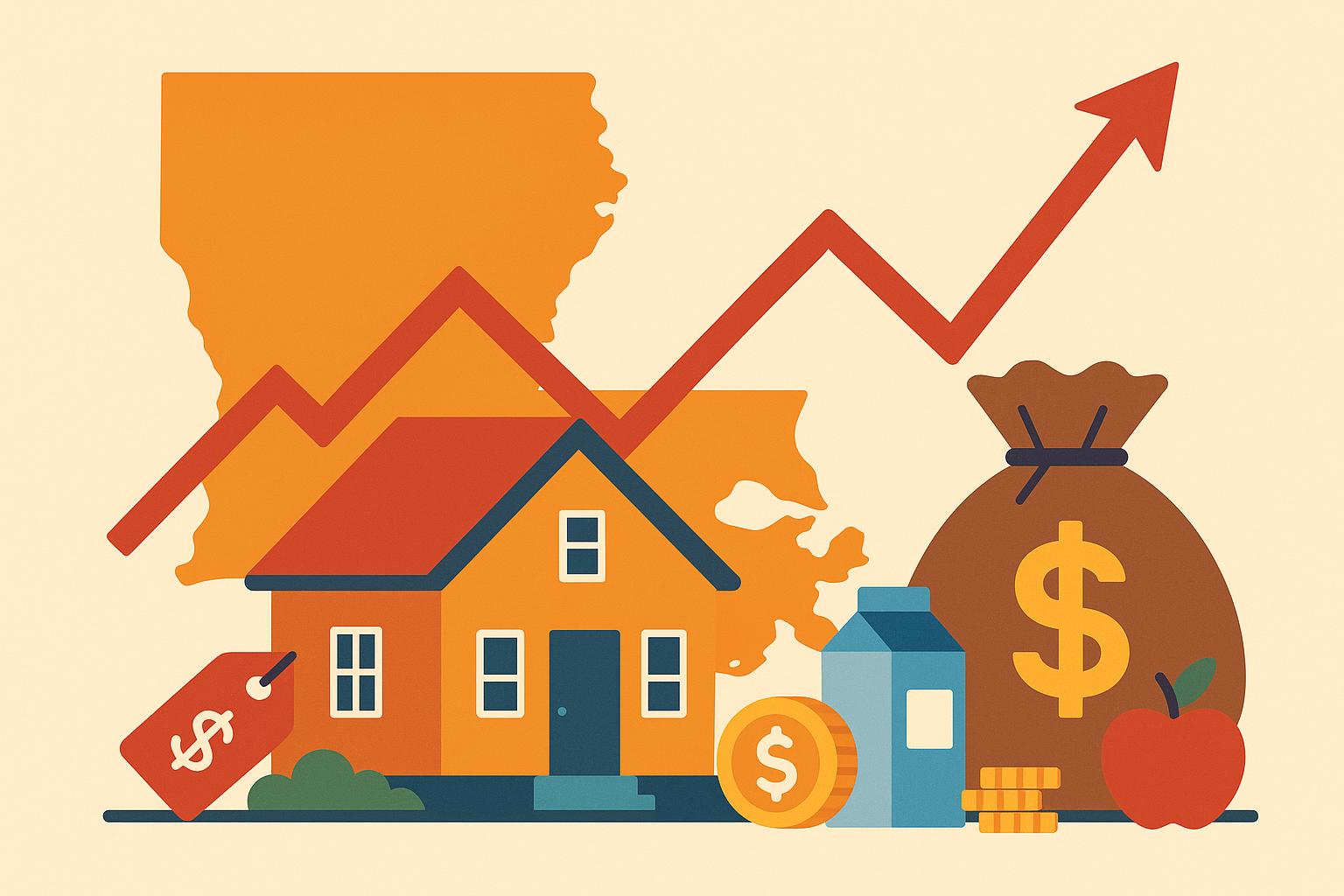
Inflation continues to shape the financial decisions of families across Louisiana in 2026. Although the rapid price increases seen in previous years have moderated in some sectors, many households are still dealing with elevated costs for groceries, housing, transportation, healthcare, and utilities. Wages have increased for some workers, but many families feel that their income is still struggling to keep pace with everyday expenses.
From Baton Rouge and New Orleans to Lafayette, Shreveport, and smaller rural communities, Louisiana residents are adapting their budgets, cutting unnecessary spending, and looking for smarter ways to manage their finances. Economic uncertainty has encouraged many people to prioritize emergency savings while also seeking flexible financial solutions when unexpected expenses arise.
This article explores how inflation is affecting Louisiana households in 2026 and what residents can do to protect their financial well-being.
Inflation Continues to Pressure Household Budgets
While inflation rates are lower than their peak levels, prices remain significantly higher than they were just a few years ago. This means that even though price increases have slowed, families are still paying considerably more for essential goods and services.
Common household expenses that have increased include:
- Grocery bills
- Rent and mortgage payments
- Electricity and utility costs
- Vehicle maintenance
- Gasoline
- Insurance premiums
- Childcare
- Medical expenses
For many Louisiana families, these rising costs leave less room in the monthly budget for savings or discretionary spending.
Grocery Costs Remain a Major Concern
Food prices continue to impact nearly every household. Louisiana families are spending more on everyday necessities such as:
- Milk
- Bread
- Eggs
- Meat
- Fresh vegetables
- Cooking oil
- Rice
- Household supplies
Many shoppers have responded by purchasing store brands, using coupons, buying in bulk, and planning meals more carefully. Others are shopping at multiple stores each week to compare prices and maximize savings.
Despite these strategies, grocery spending often represents one of the fastest-growing portions of monthly household expenses.
Housing Costs Continue Rising
Housing remains one of the largest financial challenges for Louisiana residents.
Renters have experienced higher monthly rental costs in many communities, while homeowners continue facing increasing property insurance premiums, maintenance expenses, and repair costs.
Higher interest rates over recent years have also made purchasing a home more expensive for first-time buyers.
Many households are choosing to delay buying a home, move into smaller residences, or share housing with family members to reduce expenses.
Transportation Expenses Add Financial Pressure
Louisiana residents often depend heavily on personal vehicles for commuting to work, school, and daily errands.
Inflation has increased transportation-related expenses including:
- Fuel
- Auto insurance
- Vehicle repairs
- Replacement tires
- Routine maintenance
Even small increases in these recurring expenses can significantly affect household budgets over the course of a year.
Families are responding by combining errands, carpooling, and postponing non-essential vehicle upgrades.
Utility Bills Continue to Fluctuate
Louisiana’s climate makes air conditioning essential during much of the year.
Electricity bills can rise substantially during hotter months, placing additional stress on household finances. Water, internet, and natural gas costs have also increased for many families.
To reduce monthly utility expenses, homeowners are investing in energy-efficient appliances, better insulation, programmable thermostats, and LED lighting.
While these improvements require upfront investment, they can provide long-term savings.
Healthcare Expenses Continue to Grow
Medical costs remain another significant source of financial pressure.
Households may face higher expenses related to:
- Doctor visits
- Prescription medications
- Health insurance deductibles
- Dental care
- Vision care
- Emergency medical treatment
Even insured families sometimes encounter unexpected medical bills that strain already tight budgets.
Many residents are comparing insurance plans more carefully and using preventive healthcare services whenever possible.
Emergency Expenses Become Harder to Manage
Inflation reduces the amount households can save each month.
As a result, many families have smaller emergency funds available when unexpected expenses occur, such as:
- Car repairs
- Appliance replacement
- Emergency travel
- Medical bills
- Home repairs
- Temporary income loss
Without adequate savings, these unexpected costs can quickly disrupt a family’s financial stability.
Many Louisiana residents now prioritize building emergency savings whenever possible, even if they can only save small amounts each month.
Others look for financial services that allow them to access emergency funds quickly during temporary financial emergencies while working to rebuild their savings over time.
Credit Card Debt Is Increasing
Many households have relied more heavily on credit cards to bridge the gap between income and expenses.
Unfortunately, high interest rates mean balances can grow rapidly if only minimum payments are made.
Financial experts recommend:
- Paying more than the minimum payment whenever possible
- Avoiding unnecessary purchases
- Prioritizing high-interest debt
- Creating a realistic repayment plan
Reducing expensive debt can improve long-term financial flexibility.
Louisiana Workers Continue Adjusting Spending Habits
Consumers across Louisiana have become more intentional with their spending.
Common money-saving strategies include:
- Preparing meals at home
- Reducing entertainment expenses
- Delaying large purchases
- Comparing prices online
- Using cashback rewards
- Shopping during sales
- Purchasing secondhand items
- Canceling unused subscriptions
These adjustments help households stretch their income despite ongoing inflation.
Building Financial Resilience
Although inflation presents ongoing challenges, there are practical steps households can take to improve financial stability.
Create a Detailed Budget
Tracking income and expenses helps identify unnecessary spending and ensures essential bills receive priority.
Budgeting also provides better visibility into saving opportunities.
Build an Emergency Fund
Financial advisors often recommend saving enough to cover several months of living expenses.
Even setting aside a small amount from each paycheck can gradually create a financial safety net.
Reduce High-Interest Debt
Paying down credit card balances can free up more monthly income and reduce overall interest costs.
Consider focusing on debts with the highest interest rates first.
Shop More Strategically
Comparing prices, using discount programs, and taking advantage of seasonal promotions can significantly reduce annual household expenses.
Increase Income Opportunities
Many Louisiana residents supplement their primary income through freelance work, weekend jobs, online businesses, or seasonal employment.
Additional income can help offset inflation while strengthening long-term financial security.
Looking Ahead
Economic conditions will continue evolving throughout 2026. While inflation may gradually stabilize, many prices are unlikely to return to previous levels.
This makes smart financial planning more important than ever.
Families who regularly review their budgets, maintain emergency savings, reduce unnecessary debt, and prepare for unexpected expenses will be better positioned to handle future economic uncertainty.
Financial flexibility remains one of the strongest defenses against inflation’s impact.
Conclusion
Inflation continues to influence nearly every aspect of household finances across Louisiana in 2026. From rising grocery bills and housing costs to higher transportation and healthcare expenses, families are adapting to a new financial reality that requires careful budgeting and thoughtful planning.
Although the challenges are significant, proactive money management can make a meaningful difference. Building savings, reducing debt, making informed purchasing decisions, and knowing where to access emergency funds quickly when unexpected financial situations arise can help Louisiana households maintain greater financial stability despite ongoing economic pressures.