




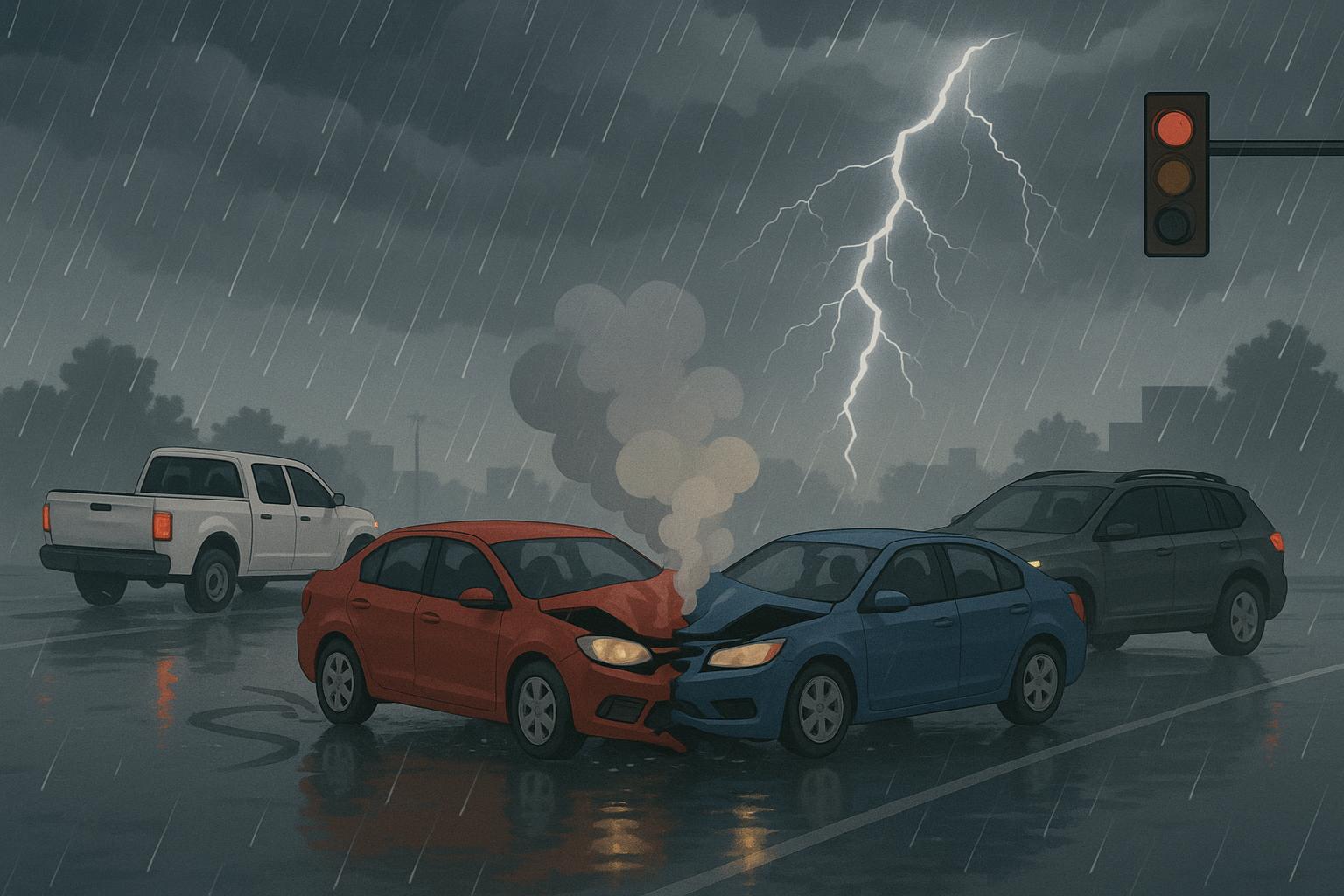
Car accidents are stressful under any circumstances, but when weather conditions are involved, the situation becomes even more complicated. Understanding how weather impacts car accident claims is essential for drivers who want to protect their rights and ensure fair compensation after a crash.
Why Weather Matters in Car Accidents
Weather plays a significant role in both the cause of accidents and the way insurance companies handle claims. Rain, snow, ice, fog, or high winds can make roads slippery, reduce visibility, and increase stopping distances. These factors contribute to collisions and influence liability determinations. Knowing how weather impacts car accident claims helps victims understand their responsibilities and rights during the claims process.
Common Weather-Related Accidents
Certain types of accidents are more common during specific weather conditions. Understanding these patterns can help you recognize how weather affects liability:
- Rain and Wet Roads – Hydroplaning can cause vehicles to lose control, leading to rear-end collisions or multi-car pileups.
- Snow and Ice – Slippery conditions increase the risk of skidding, jackknife accidents, and rollovers.
- Fog and Low Visibility – Reduced sightlines can contribute to intersection collisions or chain-reaction crashes.
- High Winds – Strong gusts can push vehicles off course, damage structures, or create debris hazards on the road.
Each of these scenarios affects how insurance companies evaluate fault and assess damages, which is why understanding how weather impacts car accident claims is important.
Liability Considerations
When weather conditions are involved, liability can become complex. Drivers are expected to adjust their behavior based on road conditions. For example:
- Slowing down in rain or snow
- Maintaining a safe following distance
- Using headlights in low visibility
Failure to take reasonable precautions may affect fault determinations. A thorough understanding of how weather impacts car accident claims can help ensure your case reflects the actual circumstances and any contributing factors.
Evidence Collection After a Weather-Related Accident
Documenting the conditions at the time of the crash is crucial. Evidence can include:
- Photographs of the accident scene, weather conditions, and road surfaces
- Weather reports or advisories for the date and location of the accident
- Statements from witnesses who observed the crash
- Police reports noting weather-related factors
Proper evidence is essential in demonstrating how weather contributed to the accident and in supporting a fair claim. Insurance adjusters often scrutinize weather-related accidents closely, making documentation a key factor in understanding how weather impacts car accident claims.
Working With an Attorney
Insurance companies may try to minimize claims if weather conditions contributed to the accident. Consulting an experienced attorney helps ensure that how weather impacts car accident claims is properly evaluated. An attorney can:
- Investigate the accident thoroughly
- Collect and preserve evidence
- Determine liability and comparative fault
- Negotiate with insurance companies to maximize compensation
Having legal representation is particularly important when multiple parties or adverse weather conditions complicate a claim.
Tips for Drivers
Understanding how weather impacts car accident claims can also help prevent future accidents and strengthen your position if a claim is necessary:
- Drive cautiously during adverse conditions
- Keep records of your insurance policy and any correspondence with insurers
- Document everything after an accident, including weather conditions
- Seek legal advice promptly to protect your rights
These proactive steps reduce risks and improve the chances of a fair outcome.
Final Thoughts
Weather is a significant factor in car accidents and can complicate insurance claims. Knowing how weather impacts car accident claims helps accident victims navigate the process, gather essential evidence, and understand liability. Whether it’s rain, snow, fog, or high winds, documenting conditions and consulting an attorney ensures that your claim is handled fairly and efficiently.