




When you walk into a room, the lighting instantly sets the mood. Whether it’s the cosy glow of a living room, the bright clarity of a kitchen, or the gentle warmth of a bedroom lamp, each lighting effect is determined by one factor: CCT, or Correlated Colour Temperature.
Understanding and choosing the right CCT can make a big difference in how your space looks and feels. In this blog, let’s explore what CCT really means, how to choose it wisely, and how it can transform your home using LED bulbs and candle bulbs.
What is CCT?
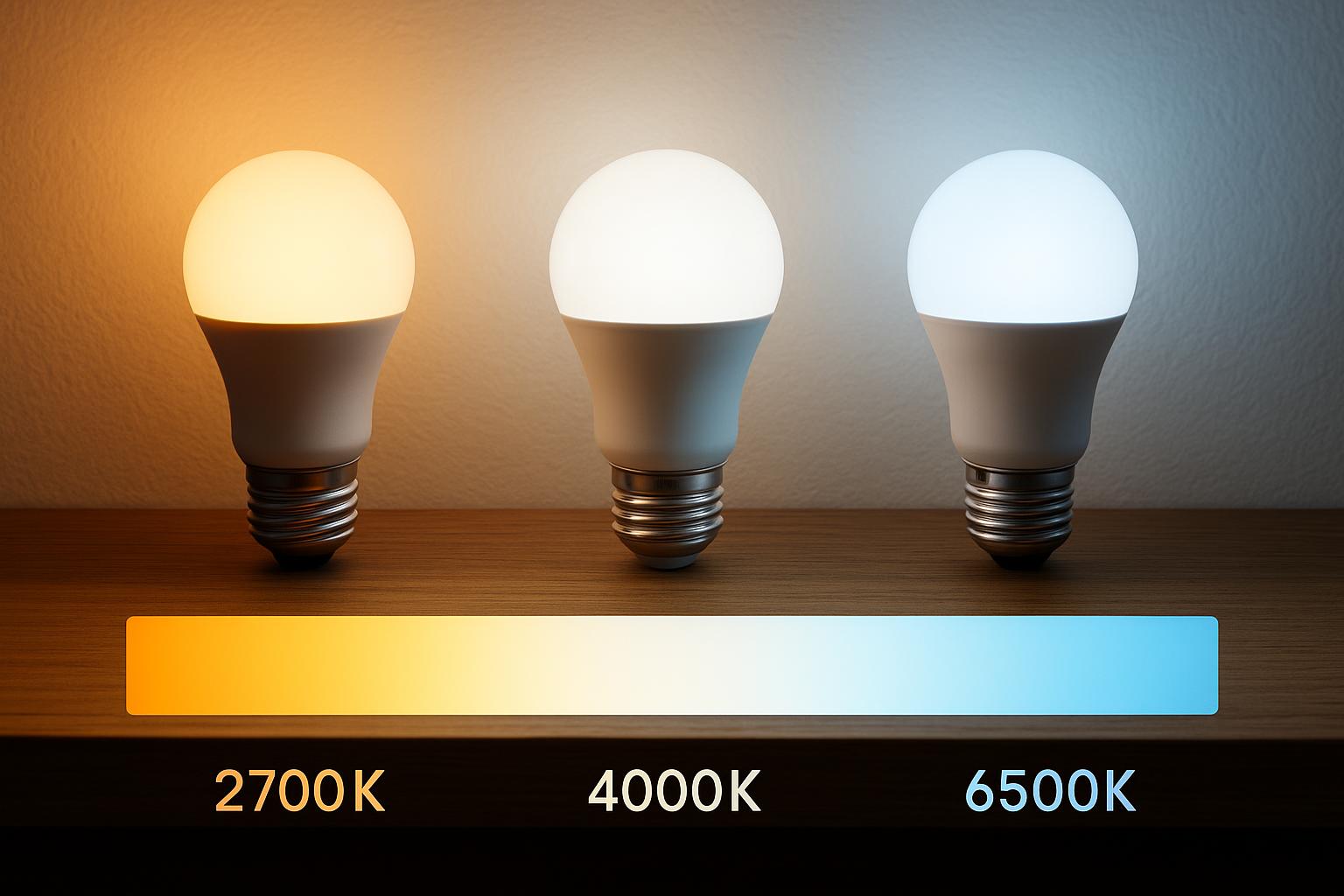
CCT (Correlated Colour Temperature) refers to how “warm” or “cool” the light from a bulb appears to the human eye. It’s measured in Kelvin (K), and the value helps you identify the colour tone of the light.
- Warm White (2700K–3000K): It gives a soft yellow glow, similar to the light from traditional incandescent bulbs. It’s perfect for bedrooms, living rooms, and dining areas where comfort and relaxation matter.
- Neutral White (3500K–4100K): It produces a balanced white tone that feels bright yet not harsh. It’s suitable for kitchens, study areas, and bathrooms.
- Cool White (5000K–6500K): It offers a crisp, daylight-like brightness that enhances focus and visibility. It’s commonly used in workspaces, shops, and outdoor areas.
So, the higher the Kelvin number, the cooler the light will be. The lower the number, the warmer it becomes.
Things to Consider Before Selecting Colour Temperature
Choosing the right colour temperature isn’t just about personal taste; it also depends on purpose, mood, and setting. Here are a few important factors to think about before making your choice:
Purpose of the Space
Think about how the room will be used. Warm tones help people unwind and relax, making them ideal for bedrooms or lounges. Cooler tones boost alertness and focus, which work better for offices or study rooms.
Natural Lighting in the Room
If your room already gets plenty of natural sunlight, you may not need a cool-white bulb. However, darker rooms can benefit from slightly cooler tones to feel brighter and more open.
Wall Colours and Decor
Light interacts with surfaces. Warm white light enhances earthy, wooden, or golden interiors, while cool white light brings out whites, greys, and modern metallic finishes.
Type of Fixture
The style of your lighting fixture also matters. For example, candle bulbs in chandeliers or wall sconces often look better in warm white, creating a welcoming, vintage glow.
Energy Efficiency and Comfort
LED bulbs are already energy-efficient, but selecting the right colour temperature ensures both visual comfort and functional lighting without straining your eyes.
Selecting Colour Temperature by Application
Different parts of your home serve different purposes. Your lighting should reflect that. Let’s break down where each type of colour temperature fits best:
Living Room and Bedroom
These are relaxation zones. Choose 2700K–3000K (Warm White) for a soft, cosy atmosphere. Candle bulbs in lamps or ceiling fittings can add a gentle, inviting glow perfect for evenings.
Kitchen and Dining Area
These are active spaces. A 3500K–4000K (Neutral White) bulb works well, offering clarity without being too harsh. It helps in food preparation and creates a clean, welcoming dining vibe.
Bathroom and Study Room
Go for 4000K–5000K (Cool White) lighting. This range supports focus and visibility, which is great for grooming or reading.
Workspaces or Home Office
For long hours of productivity, go for 5000K–6500K (Daylight White). It mimics daylight, keeping your mind alert and reducing fatigue.
Balcony and Outdoor Areas
Cool white light is ideal for outdoor spaces, as it enhances visibility and adds a crisp brightness.
Picking the Right Temperature
If you’re unsure about which CCT works best, here’s a simple approach:
- Start with one area and see how it feels under different temperatures. Lighting can completely change how your walls, furniture, and décor appear.
- Combine different light sources. For example, use warm candle bulbs for accent lighting and neutral or cool LED bulbs for general illumination.
- Warm light feels more relaxing at night, while cool light suits daytime activities. Adjustable CCT LED bulbs (if available) can help you shift between the two.
- Your lighting should not only look good but also serve the purpose effectively. For example, warm lighting may look beautiful in a study but could make reading difficult for long hours.
Lighting the Way Forward
Understanding CCT is like learning the language of light. Once you know what each temperature represents, you can control the ambience of your space just the way you like it, from bright and focused to calm and comforting.
By using the right LED bulbs and decorative candle bulbs, you can effortlessly enhance your home’s mood, energy, and functionality. The goal isn’t just to brighten your space; it’s to make every corner feel right.
So, the next time you pick a bulb, don’t just look at its wattage or design. Check the CCT too because the right colour temperature doesn’t just light up your home, it defines it.