




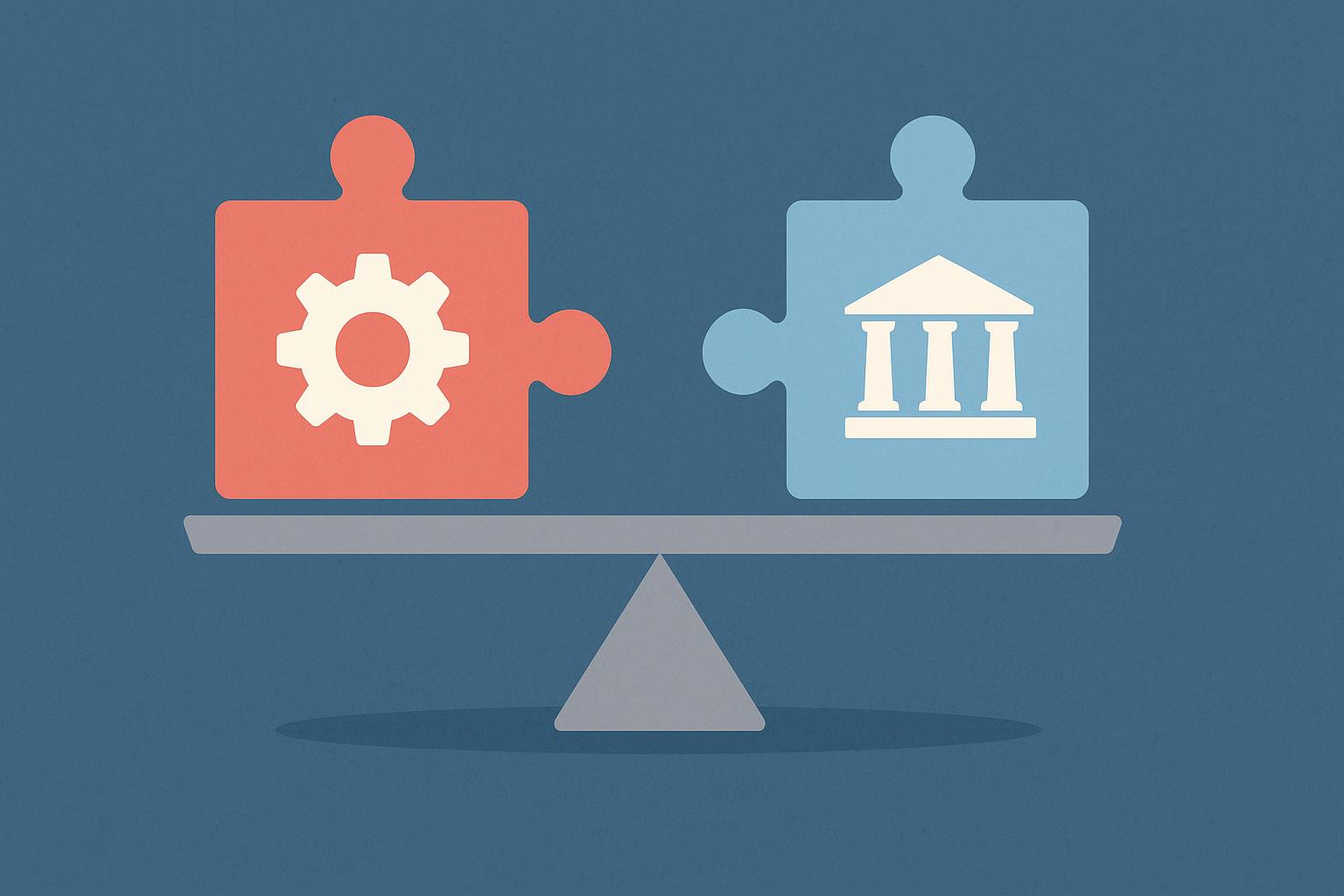
Businesses focused on accelerating growth often face a key dilemma: whether to partner with external lead generation specialists or build their own internal capabilities. According to a recent industry report, organizations that rely on outsourced lead generation achieve 43% stronger outcomes compared to those depending entirely on internal teams. The real question is what considerations should shape the best choice for each company.
A clear understanding of the strengths and limitations of both approaches is essential for companies aiming to build a robust sales pipeline. This article explores the primary factors that can help decision-makers select the most effective lead generation method for their needs.
Cost-Effectiveness: Outsourced Lead Generation vs. In-House Teams
From a financial perspective, outsourcing lead generation frequently proves more economical than sustaining a full internal team. External providers remove many fixed expenses, including recruitment, ongoing training, salaries, and employee benefits.
Deciding between building an internal team or partnering with experts is a crucial step for growing companies. A detailed comparison of outsourced lead generation vs in-house approaches reveal important differences in cost, scalability, and results, helping businesses choose the strategy that best aligns with their goals and resources.
Moreover, professional agencies have honed their methods through years of experience, often delivering superior returns on investment thanks to proven tactics and deep sector expertise. They can launch effective campaigns rapidly, whereas developing comparable proficiency internally can require significant time and resources.
To identify the right fit, businesses should thoroughly compare both immediate and hidden costs of each model. Factors such as company scale, current requirements, and stage of development play a major role in projecting long-term savings and revenue potential from specialized external support.
Quality and Expertise in Lead Generation
The caliber of leads and the level of strategic insight available can heavily sway the decision between internal and outsourced approaches. Internal teams often possess intimate knowledge of a company’s offerings, values, and customers, which can result in highly customized and relevant leads.
That said, external agencies bring extensive cross-industry experience and fresh perspectives gained from serving multiple clients. This breadth frequently translates into creative approaches and access to a wider pool of promising prospects. Research from MarketingSherpa revealed that companies using outsourced lead generation saw a 150% rise in qualified leads.
Organizations should honestly evaluate their existing team’s strengths and identify any skill or resource shortfalls. When internal capabilities fall short of industry benchmarks, collaborating with a specialized lead generation provider often becomes the smarter path to consistent, high-quality results.
Flexibility and Scalability
The ability to adapt quickly and scale operations is another critical factor when weighing outsourced versus in-house lead generation. Internal teams generally allow for tighter control and faster adjustments aligned with company priorities due to their close integration with daily operations.
Outsourcing, however, offers unmatched scalability. External partners can expand or contract services in response to shifting market demands or business growth without the complications of hiring or downsizing staff. This agility helps companies maintain momentum during periods of rapid change or fluctuating needs.
Leaders should forecast upcoming demands and determine whether their current setup can handle surges in activity or if an external partner would better support expansion while preserving performance standards.
Impact on Internal Resources and Focus
Choosing how to handle lead generation also influences how a company allocates its people and attention. Managing it internally demands considerable staff time and effort, which can pull talent away from core business activities and weaken overall performance in key areas.
By contrast, outsourcing frees up internal teams, enabling them to concentrate on product development, customer experience, and other high-value initiatives while experts manage lead flow. It also reduces the pressure of specialized training and helps bridge immediate skill shortages.
Businesses should reflect on whether their employees’ time is best spent on lead generation or redirected toward activities that better leverage their unique strengths. Outsourcing often boosts innovation and operational efficiency by allowing staff to excel in their primary roles.
For additional guidance, many leaders turn to insights from Harvard Business Review on strategic decisions around outsourcing versus internal development.
Making the Right Choice
In the end, the optimal approach depends on a company’s specific goals, resources, and market position. By carefully weighing cost efficiency, expertise levels, adaptability, scalability, and effects on internal capacity, organizations can select a strategy that aligns with their priorities. A thoughtful evaluation of these elements helps create a more effective sales pipeline and supports long-term, sustainable growth.utsourced Lead Generation vs in-House Efforts: Which Decision Factor Matters Mos