




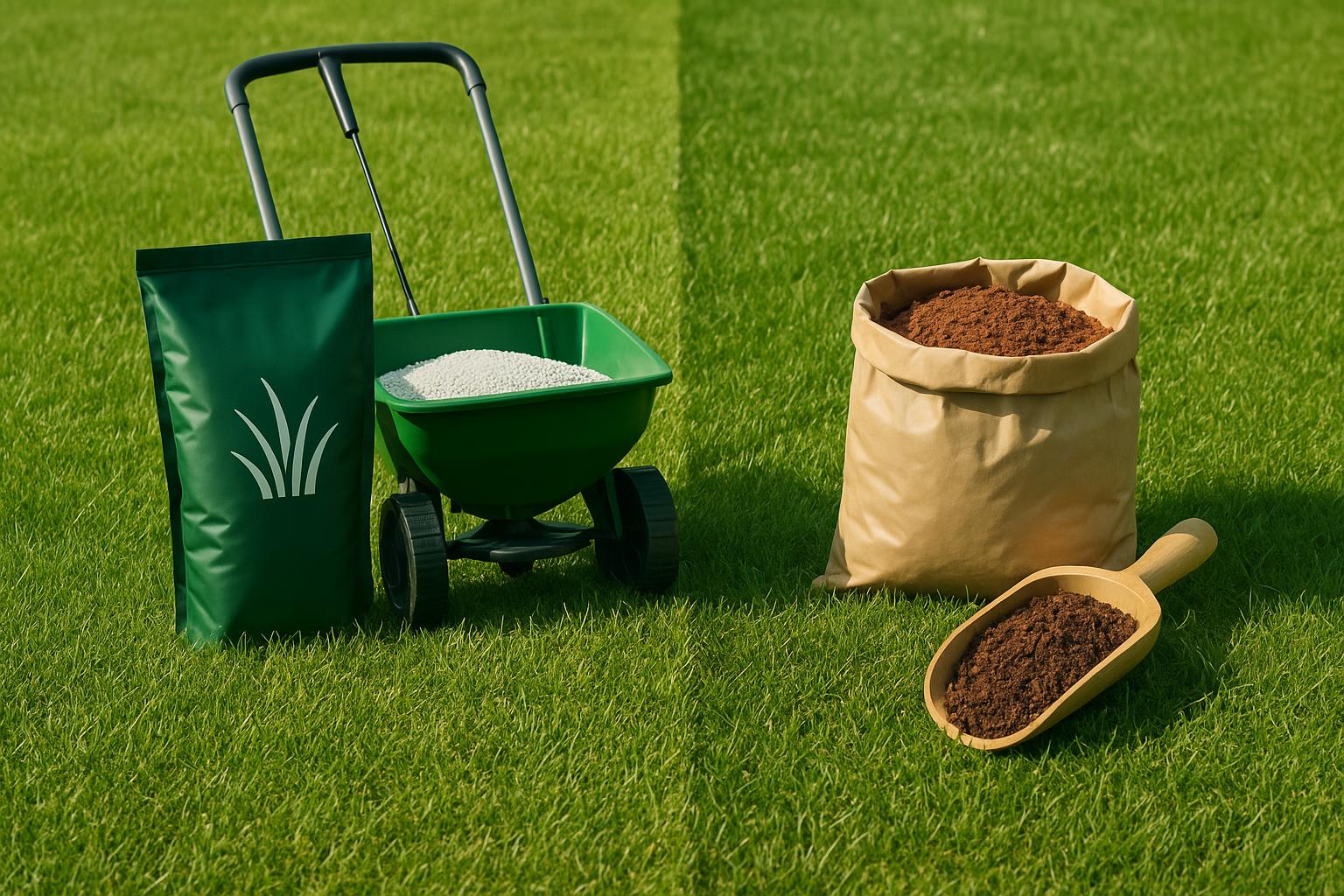
Achieving a lush, green lawn is a priority for many homeowners and businesses, but the choice between synthetic and organic Lawn Fertilizing presents a dilemma. Each option has its benefits and drawbacks, particularly when considering sustainability. This article delves into the pros and cons of both methods, their environmental impacts, and which might be the most sustainable choice for your lawn.
Synthetic Lawn Fertilizing: Pros and Cons
Synthetic fertilizers, often developed using a precise Compliance Matrix, are engineered to deliver nutrients quickly and effectively. They contain concentrated amounts of essential nutrients like nitrogen, phosphorus, and potassium. This rapid nutrient delivery can result in an immediate boost in lawn growth and color, making it a popular choice for those seeking quick results. Additionally, Lawn Fertilizing can enhance your lawn care options.
However, the use of synthetic fertilizers is not without drawbacks. Their composition can sometimes lead to nutrient runoff, which may affect local water systems negatively. Additionally, over-reliance on synthetic options can degrade soil quality over time, reducing its natural fertility. In terms of sustainability, these factors raise concerns about long-term environmental health.
Moreover, synthetic fertilizers often require a Risk Assessment Protocol to manage potential environmental and health risks associated with their application. While they can be effective, their impact on the ecosystem requires careful consideration.
Organic Lawn Fertilizing: Benefits and Challenges
Organic fertilizers, derived from natural sources like compost and manure, offer a more environmentally friendly approach. They improve soil health by enhancing its structure and microbial activity, which can lead to healthier and more resilient lawns. Organic methods align well with Sustainable Lawn Management practices, prioritizing long-term ecological balance.
The primary challenge with organic fertilizers is their slower nutrient release, which means that results can take longer to appear. This can be a disadvantage for those looking for immediate lawn improvement. Additionally, the cost of organic fertilizers can be higher, and they may require more frequent application.
Despite these challenges, the overall environmental benefits of organic fertilizers make them a strong contender for sustainable landscaping. They reduce the need for a detailed Incident Response Framework, as their natural composition poses fewer risks to the environment and human health.
Environmental Impact of Synthetic and Organic Fertilizers
The environmental impact of fertilizers is a crucial consideration in sustainability discussions. Synthetic fertilizers can contribute to water pollution through runoff, leading to algal blooms that disrupt aquatic ecosystems. This is a significant concern, as maintaining a healthy ecosystem is a key Service Level Objective (SLO) for sustainable practices.
In contrast, organic fertilizers tend to have a lower environmental footprint. Their natural composition supports soil health and minimizes harmful runoff. A KPI Dashboard Metrics approach could effectively track the long-term benefits of organic fertilizer use, such as improved soil quality and reduced pollution.
Given these considerations, the choice between synthetic and organic fertilizers should weigh the immediate needs of the lawn against long-term environmental impacts. Both approaches have their place, but the goal should be to minimize ecological disruption.
Choosing the Right Fertilizer for a Sustainable Lawn
When deciding between synthetic and organic fertilizers, consider the specific needs of your lawn and your environmental values. A thorough Stakeholder Engagement Index can help identify priorities, such as immediate aesthetic results or long-term soil health.
For those prioritizing sustainability, organic fertilizers offer a viable option with their emphasis on ecological balance. However, if quick results are essential, synthetic fertilizers may be the preferred choice, provided they are used with caution and responsibility.
Ultimately, the decision should also involve a comprehensive Lawn Fertilizing strategy, which can include a mix of both approaches tailored to meet sustainability goals. Consulting with professionals can provide valuable insights into best practices and innovative solutions for lawn care.
Conclusion
The choice between synthetic and organic Lawn Fertilizing depends on balancing immediate needs with long-term sustainability goals. While synthetic fertilizers offer rapid results, organic options provide environmental benefits that support soil health and reduce pollution. For those committed to sustainable practices, consulting with experts and planning strategically can lead to a healthier lawn and a healthier planet.