




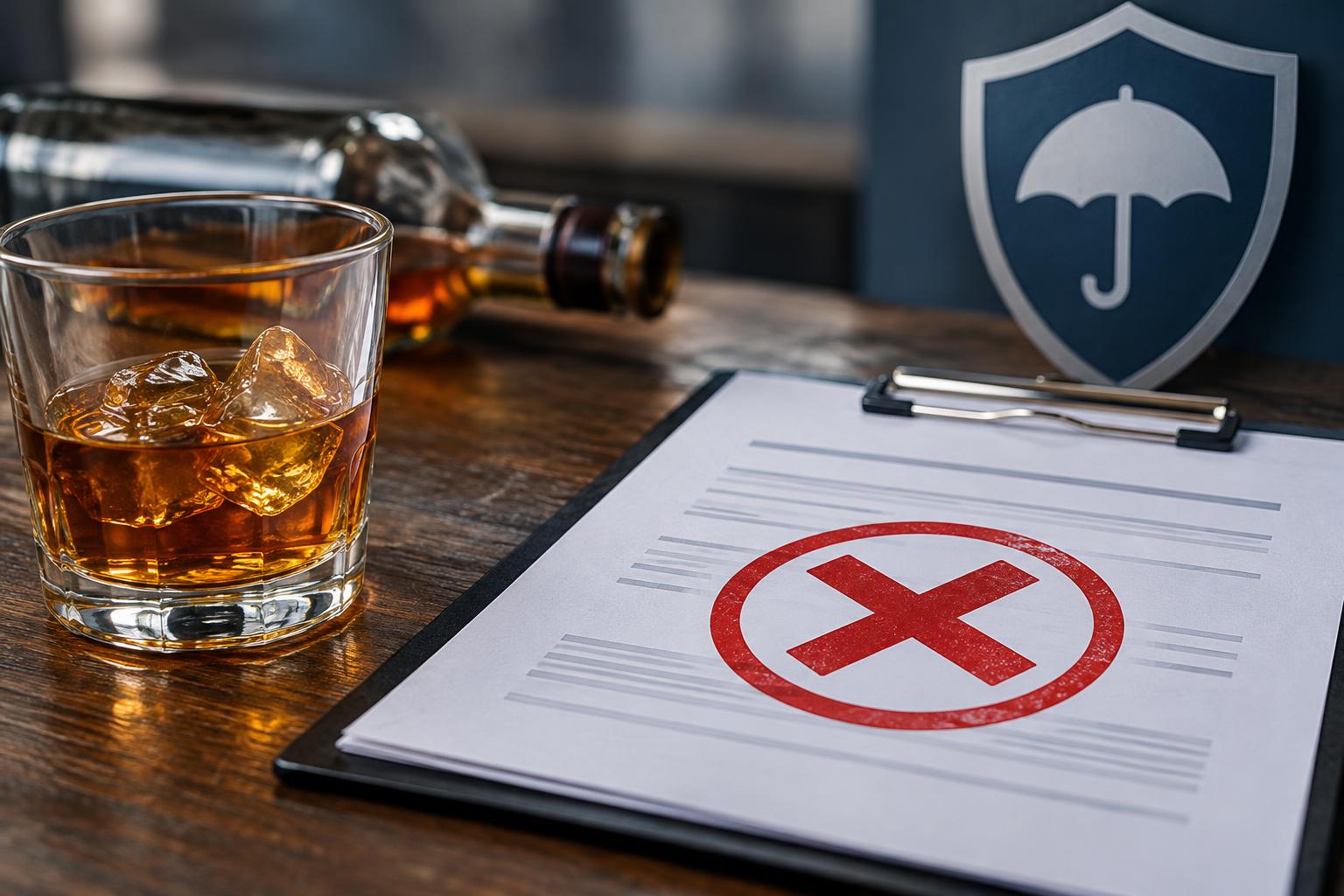
Accidents can leave families facing unexpected expenses, lost income, or the death of someone they love. Accidental death and dismemberment (AD&D) insurance is meant to provide financial support after certain accidental deaths and serious injuries. However, an insurer may deny benefits when alcohol is involved, leaving policyholders and beneficiaries uncertain about their rights and next steps.
Understanding the policy is an important first step. An AD&D intoxication exclusion lawyer can review the denial, examine the evidence, and assess whether the insurer has applied the exclusion correctly. Alcohol involvement does not automatically resolve every claim. The policy wording, available evidence, and circumstances of the accident can all affect the decision.
Understanding Intoxication Exclusions in AD&D Policies
An intoxication exclusion is a policy provision that limits or removes coverage under certain circumstances involving alcohol. Some policies require a connection between intoxication and the accident. Others may exclude a loss if the insured person was intoxicated when the accident happened, even if alcohol did not cause it. These differences matter because the insurer must evaluate the claim according to the applicable policy terms.
For example, a person might suffer a serious injury in a collision caused by another driver. If a blood test later detects alcohol, the insurer may argue that an exclusion applies. However, the test alone may not explain how the collision happened. The policy language, testing evidence, witness accounts, and other details should be examined before deciding whether the exclusion fits the circumstances.
Why Insurers Deny Alcohol-Related Claims
Insurance companies may rely on toxicology reports, medical records, police reports, and witness statements when assessing an intoxication exclusion. They may also consult experts who interpret test results and evaluate the possible role of alcohol. If the insurer believes the evidence supports an exclusion, it may refuse to pay the accidental death benefit or dismemberment benefits.
An insurer's decision can still be challenged when its reasoning overlooks important facts or misinterprets the policy. For instance, the claim file might contain witness accounts that conflict with the insurer's conclusions. Accident reports, photographs, and independent expert opinions may help explain what happened. Reviewing the complete record can reveal whether the denial rests on reliable evidence or unsupported assumptions.
How Policy Wording Affects Coverage
Causation-based and status-based exclusions raise different questions. Under a causation-based provision, the policy may require a connection between intoxication and the loss. A status-based provision may focus on whether the person was intoxicated at the relevant time, without requiring the same proof of causation. The exact wording and applicable law determine how a particular exclusion should be interpreted.
For this reason, reading only the denial letter may not be enough. The complete policy, including definitions and exclusions, should be compared with the insurer's explanation. Some provisions refer to legal intoxication standards, while others use different language. A careful review can identify what the insurer must establish and whether the evidence supports its interpretation.
Evidence That May Help Challenge a Denial
Evidence can help establish how an accident happened and whether intoxication played a role. Depending on the circumstances, relevant materials may include emergency medical records, toxicology findings, photographs, surveillance footage, witness statements, and accident reports. Together, these records can help establish a timeline and identify other factors that may have contributed to the incident.
An independent toxicologist may examine testing methods, sample collection, and the interpretation of results. An accident reconstruction expert may also assess vehicle damage, road conditions, or the actions of other people involved. No single record guarantees a successful appeal, but reliable evidence can help identify weaknesses in the insurer's reasoning and support a more complete review of the claim.
Steps to Take After an AD&D Claim Denial
Start by obtaining the written denial letter and a copy of the insurance policy. Identify the exclusion cited, the reasons for the decision, and the deadline for appealing. Keep copies of correspondence and records of conversations with the insurer. If relevant documents are missing, ask for the claim file and supporting materials through the appropriate process.
Next, address the insurer's specific arguments with relevant evidence and a clear explanation of why the denial may be incorrect. Follow the policy's appeal requirements and retain proof of submission. The U.S. Department of Labor explains certain employee benefit claim procedures and appeals in its guidance on filing and appealing benefit claims. Those rules do not apply to every AD&D policy, so claimants should verify which procedures and deadlines govern their coverage.
Frequently Asked Questions
Can an insurer deny an AD&D claim because alcohol was present?
An insurer may rely on an applicable intoxication exclusion, but the outcome depends on the policy terms and circumstances. Some exclusions require evidence connecting intoxication to the loss, while others use different standards. Alcohol detection alone may not answer every question about coverage.
Does a positive blood alcohol test prove that alcohol caused an accident?
No. A positive test can provide evidence that alcohol was present, but it does not automatically establish the cause of an accident. Testing methods, collection timing, witness accounts, and other evidence may help explain what happened.
Can beneficiaries appeal an intoxication-related denial?
Beneficiaries may be able to challenge a denial through the procedure that applies to the policy. They should review the denial notice, identify relevant deadlines, gather supporting evidence, and follow the required appeal process. Legal advice may help clarify their options.
What happens if an appeal is denied?
Further review or a lawsuit may be possible, depending on the type of policy and applicable law. The available options and required procedures vary, so reviewing the final denial and seeking appropriate legal guidance can help clarify the next steps.
Protecting the Right to Insurance Benefits
An intoxication-related AD&D denial can create financial pressure during an already difficult period. Before accepting the insurer's decision, review the policy, examine the supporting evidence, and determine whether the exclusion applies to the facts. The distinction between alcohol being present and alcohol causing an accident may be important to the outcome.
Taking prompt, informed action can help families understand their options. When policy wording or evidence is disputed, an attorney experienced in AD&D insurance claims can assess the denial, help prepare an evidence-based appeal, and explain whether further legal action may be available.