




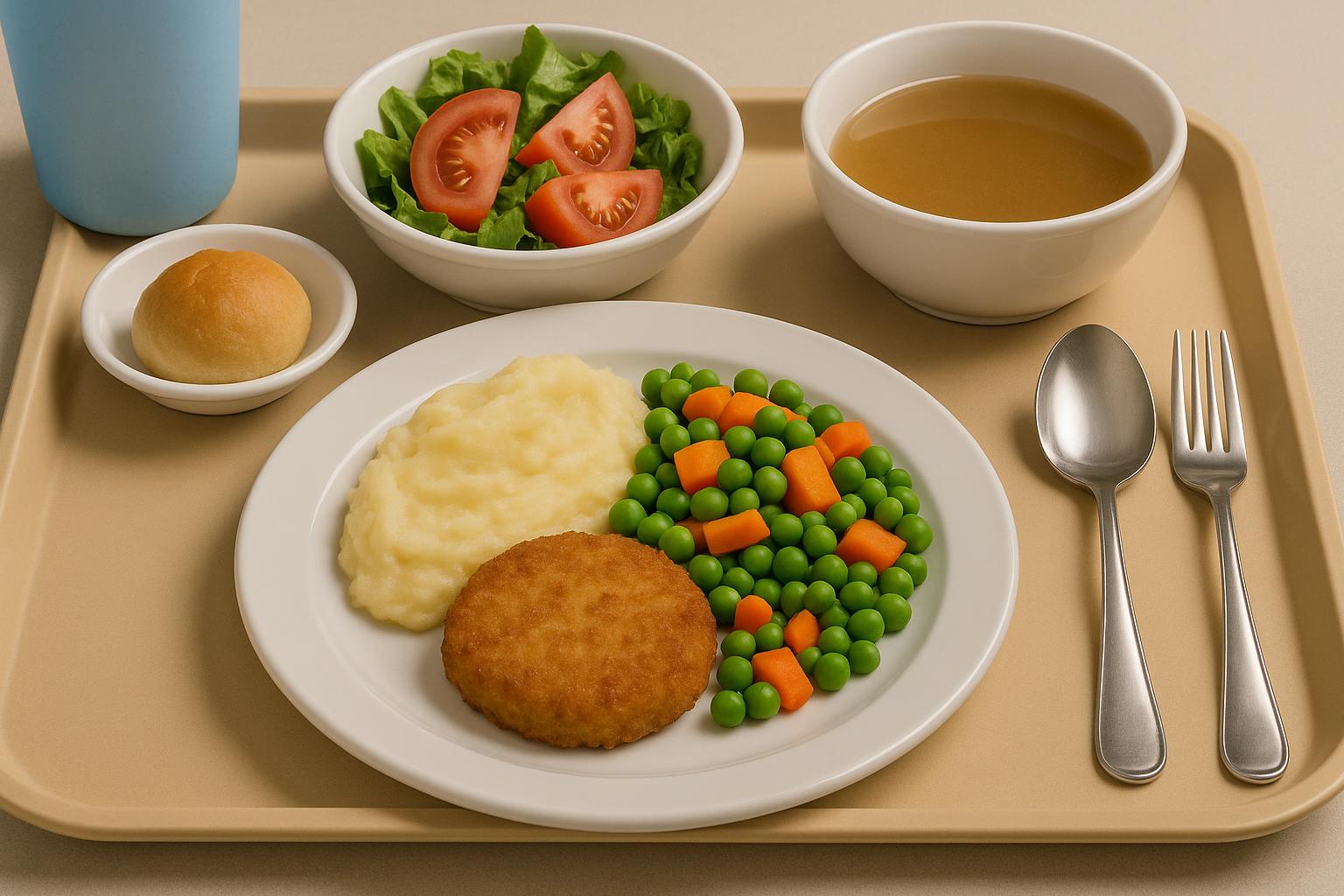
Hospital food has a reputation problem, and not always an undeserved one. For many patients, meals arrive during some of the most vulnerable hours of their lives: after surgery, during treatment, in aged care, rehabilitation, recovery, or long-term clinical support. In those moments, food isn’t just nutrition. It’s routine. It’s comfort. It’s a small reminder that the person in the bed is still a person, not simply a patient file, a room number, or a diet code.
That’s where the look and feel of food starts to matter. Organisations like The Pure Food Co are part of a broader shift in thinking: hospital and care meals shouldn’t only meet nutritional requirements, they should also preserve dignity, familiarity and appetite. A meal that looks like a meal can do something a supplement cup or shapeless portion often can’t. It can invite someone to eat.
Food Carries More Than Nutrients
In clinical settings, food is often discussed through numbers: calories, protein, texture levels, fluid intake, sodium, allergens, malnutrition risk. These details matter enormously. No one should pretend otherwise. But people don’t experience meals as spreadsheets.
They experience the colour of pumpkin beside peas. The smell of gravy. The comfort of something that resembles food they’ve eaten for decades. The relief of seeing a plate and thinking, “I know what that is.”
When illness, frailty or swallowing difficulties change how a person eats, the emotional impact can be sharp. Texture-modified meals, for example, are essential for many people with dysphagia or chewing challenges, but when presentation is treated as an afterthought, the meal can become another reminder of what the person has lost. Food that looks unrecognisable can make someone feel managed rather than cared for.
Appetite Is Emotional, Not Just Physical
Hospitals and aged care settings often face a frustrating truth: even when food is nutritionally appropriate, people may not eat enough of it. Appetite can be affected by medication, pain, anxiety, loneliness, fatigue, nausea, confusion, depression or simply the disruption of being away from home.
Presentation won’t solve every barrier, but it can help. A plate with recognisable components can spark appetite before the first bite. It can reduce hesitation. It can make mealtime feel less clinical and more human.
There’s also a quiet psychology to choice and recognition. When a person can identify what’s on the plate, they’re more likely to feel some sense of control. That’s especially important in environments where control is often limited. Patients are told when to wake, when to take medication, when to be observed, when to wait. A meal that feels familiar can offer a small but meaningful anchor.
Dignity Lives in the Details
Dignity in care isn’t always dramatic. Often, it lives in small details that tell someone they haven’t been reduced to a condition.
It’s the difference between placing food down with care and sliding a tray across a table. Between offering help discreetly and making assistance feel like a spectacle. Between serving a meal that looks considered and one that looks like it was never meant to be enjoyed.
For people requiring texture-modified diets, this becomes even more important. The need for softer, minced, moist or pureed foods shouldn’t mean the end of visual appeal. A pureed roast dinner that still resembles meat, vegetables and mash can feel entirely different from three indistinct scoops on a plate. Same nutritional goal, different emotional outcome.
That difference can affect whether someone eats, how much they eat, and how they feel while eating.
Meals Can Reinforce Identity
Food is tied to memory, culture, independence and personal history. A person’s favourite meals may connect them to family gatherings, childhood routines, religious traditions, regional tastes or long-standing habits. When care food becomes bland, anonymous or visually confusing, it can quietly strip away some of that identity.
A hospital meal won’t replicate a home kitchen. It doesn’t need to. But it can still show respect for the person eating it.
That might mean presenting texture-modified foods in recognisable shapes. It might mean offering culturally familiar options. It might mean using colour, plating and aroma more thoughtfully. It might mean recognising that “soft food” doesn’t have to mean joyless food.
The standard shouldn’t be, “Is this technically edible?” It should be, “Would this help someone feel willing, safe and respected enough to eat?”
Better Meals Support Better Care
Food presentation is sometimes dismissed as cosmetic, as though appearance is separate from health outcomes. In reality, appearance can influence intake, and intake affects recovery, strength, wound healing, immunity, mobility and quality of life.
When patients eat more confidently, care teams have one less battle to fight. Families feel less distressed watching loved ones push food away. Staff can support mealtimes with more confidence. The whole care environment benefits when food is treated as part of the therapeutic experience, not a logistical chore.
This doesn’t mean every hospital plate needs restaurant styling. It means meals should be designed with the understanding that people eat with their eyes, their memories and their emotions, not just their mouths.
The Quiet Power of Recognition
There’s something deeply reassuring about a meal that looks like what it claims to be. Shepherd’s pie should look like shepherd’s pie. Vegetables should look like vegetables. Dessert should feel like a small pleasure, not an obligation.
For patients navigating pain, uncertainty or loss of independence, these moments matter. They may be brief, but they’re not trivial. A recognisable meal can say: you’re still entitled to comfort. You’re still allowed preference. Your appetite matters. Your dignity matters.
Hospital food will always have constraints. It must be safe, scalable, cost-conscious, nutritionally sound and clinically appropriate. But within those constraints, there’s room for care that feels more human.
Making meals look like meals isn’t vanity… it’s respect, plated quietly.