




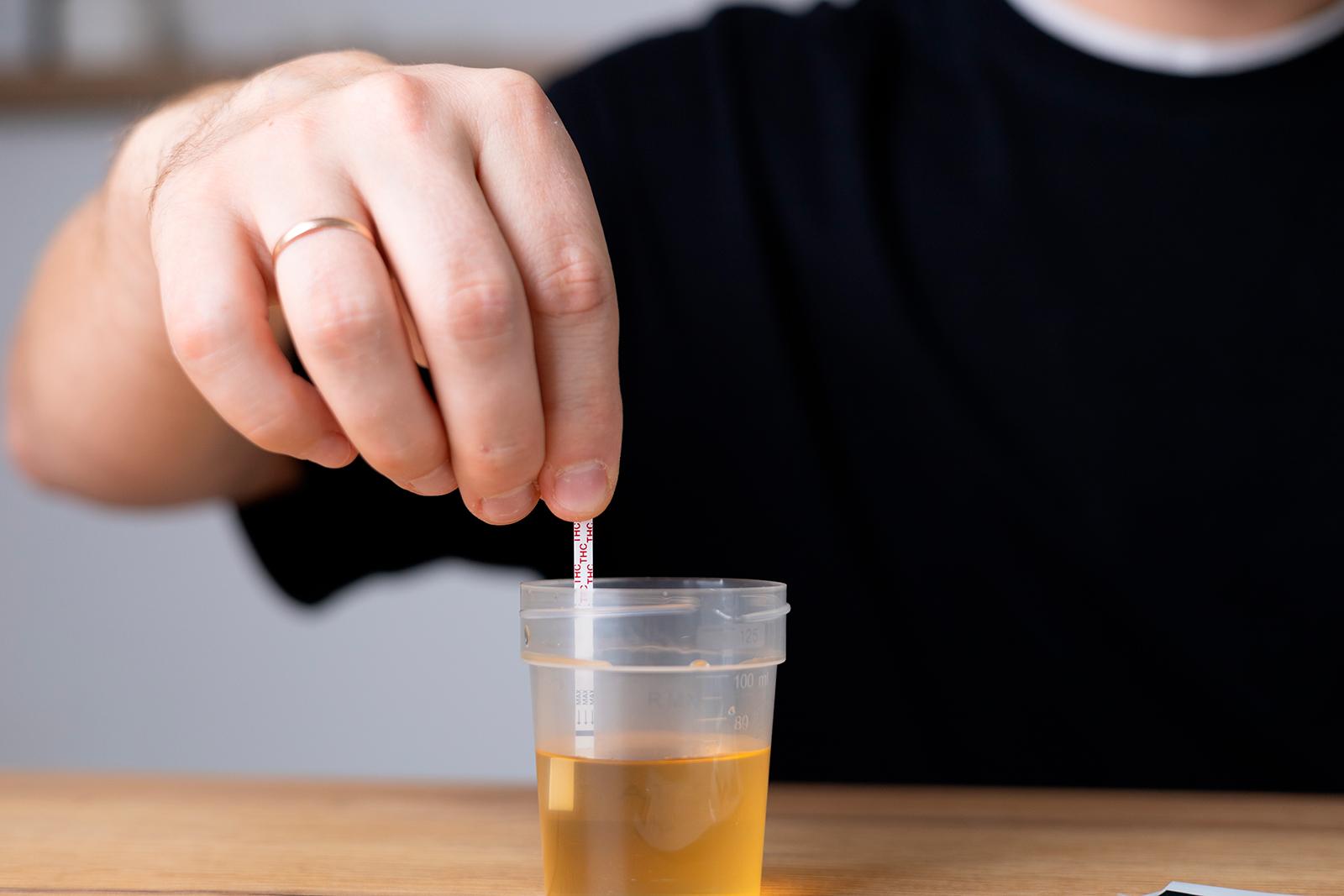
For many people, taking a THC urine test isn’t part of their everyday routine. It usually comes up in specific situations. Most commonly, we’re talking about preparing for a job screening, tracking a break from cannabis, or simply wanting clarity about current levels. Because of that, people often rely on quick advice or assumptions that aren’t always accurate.
The issue is that even small mistakes can affect how results appear or how they’re interpreted. Something as simple as drinking too much water or misunderstanding a test strip can lead to confusion.
This article breaks down what THC urine testing actually involves, why people use it, what affects results, and the most common mistakes to avoid.
What THC urine testing actually means
A THC urine test detects THC-COOH metabolites, created when your body processes THC. These metabolites can stay in your system for varying amounts of time depending on several personal factors.
Key points to understand:
- THC tests measure metabolites, not active intoxication
- Results are based on a cutoff level (commonly 50 ng/mL)
- Below the cutoff = negative result
- Above the cutoff = positive result
In simple terms, the test answers one question:
Is the concentration of THC metabolites above or below a specific threshold?
Why do people decide to test for THC at home?
People turn to THC urine testing for practical, real-life reasons, not just pre-employment and legal requirements.
Common use cases include:
- Preparing for a pre-employment drug screening
- Checking progress during a tolerance break
- Monitoring detox over time
- Reducing uncertainty before an official test
- Understanding how long THC stays in their system
In these situations, using a home THC test can help individuals get a general sense of where they stand before taking further steps.
What affects the outcome
THC detection isn’t the same for everyone. Several variables influence how long metabolites stay detectable.
Key factors:
- Frequency of use
- Occasional users clear faster
- Regular users retain THC longer
- Metabolism
- Faster metabolism may process compounds more quickly
- Slower metabolism may extend detection time
- Body composition
- THC metabolites are stored in fat cells
- Higher body fat can mean longer retention
- Hydration levels
- Too little water = concentrated urine
- Too much water = diluted urine
- Timing of the test
- Testing too soon often leads to positive results
- Time allows metabolite levels to drop
General THC detection time ranges
| Usage Pattern | Estimated Detection Window |
|---|---|
| One-time use | 1–3 days |
| Occasional use | 3–7 days |
| Moderate use | 7–14 days |
| Frequent use | 14–30 days |
| Heavy daily use | 30+ days (sometimes longer) |
Note: These are general estimates and can vary significantly by individual.
Common mistakes or myths
Misunderstandings about THC testing often lead to unnecessary stress or incorrect assumptions.
1. Overhydrating before the test

Some people try to “flush” their system by drinking excessive amounts of water. Not only does this lead to overdilution of the urine sample, but it can also be dangerous, since some people really overdo it.
Why this is a mistake:
- It can dilute urine too much
- Results may become unclear or invalid
- Labs sometimes flag overly diluted samples
Better approach:
Stay normally hydrated rather than dramatically increasing intake. This way, you won’t meddle with the sample, and it will be easier on your body and psyche, because drinking a lot of water all of a sudden can be difficult.
2. Expecting instant detox results
There are many claims about quick detox methods that promise rapid results. There are “magical potions” out there on the internet that promote instant results. But the truth is far from magical.
Reality:
- THC metabolite elimination takes time
- Short-term solutions rarely change actual levels
- Progress is gradual, not immediate
3. Testing too early
Impatience often leads people to test before their body has had enough time to clear metabolites. Even though most of THC is eliminated through feces and urine (around 60% and 20% respectively), metabolising it takes time.
Common issue:
- Early testing can give discouraging results
- It may not reflect true long-term progress
Better approach:
Allow sufficient time between last use and testing.
4. Misreading results
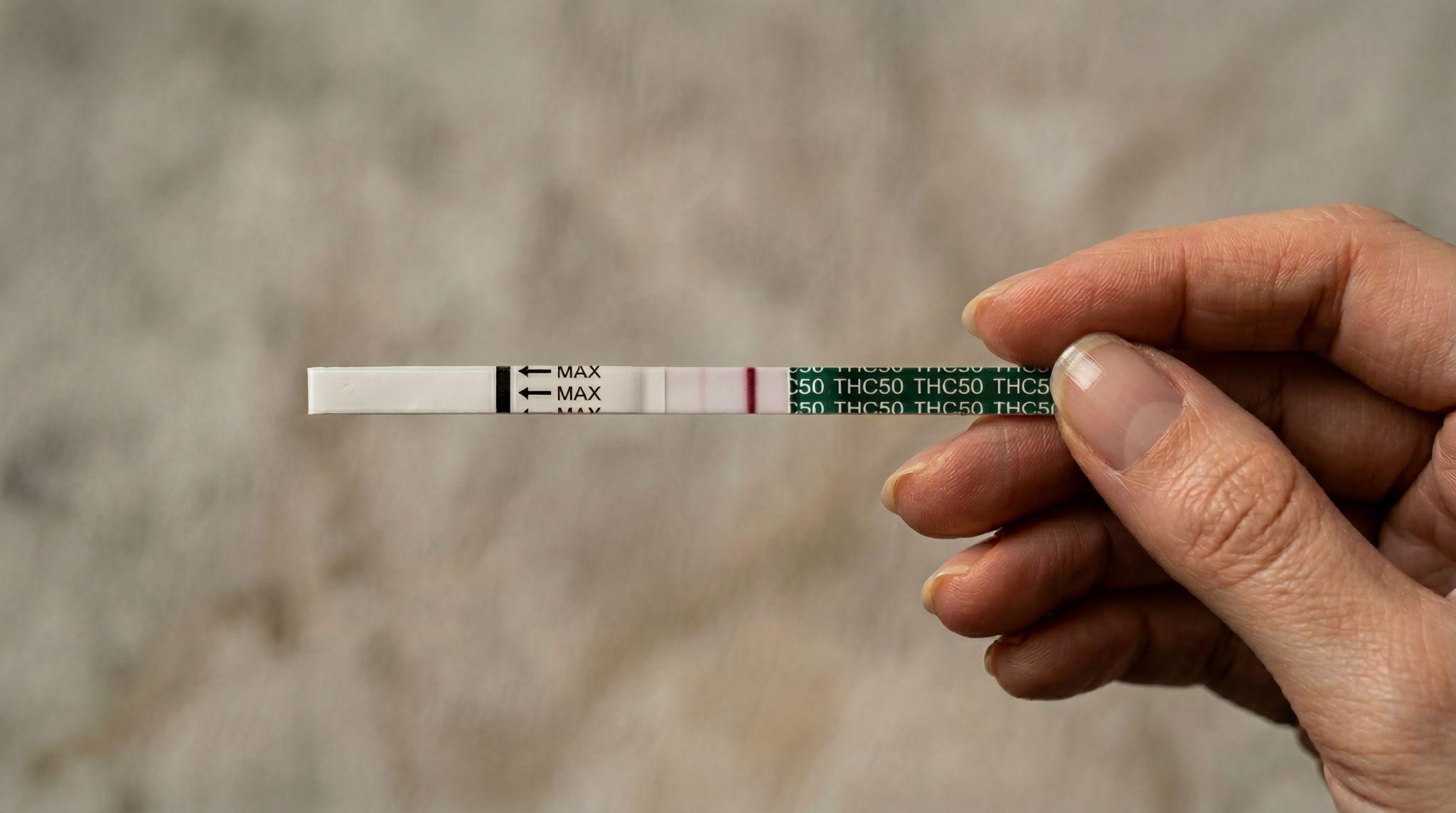
Interpreting test lines incorrectly is one of the most frequent sources of confusion. On an at-home THC urine test (like Exploro’s), you will find 2 lines – T and C, aka test and control line:
- Two lines (even if one is faint) = negative
- One line (control only) = positive
The intensity of the line does not necessarily correlate with the amount of THC present. What matters is whether the metabolite level is above or below the cutoff.
A faint line on a drug test can still indicate a negative result. An absence of the C line indicates a faulty test, usually due to a past expiration date, incorrect storage, or bad handling.
5. Inconsistent testing conditions
Taking tests under different conditions makes results harder to compare.
Examples of inconsistency:
- Testing at different times of day
- Changing hydration habits
- Varying diet or activity levels
Better approach:
- Test at similar times, ideally with the first morning urine
- Maintain consistent habits
- Compare results more accurately over time
Final thoughts
THC urine testing is straightforward once you understand the basics, but common mistakes can make it seem more complicated than it is.
A few simple principles go a long way:
- Be patient with timing
- Avoid extremes (like overhydration)
- Understand how to read results properly
- Stay consistent in testing conditions
Approaching the process with realistic expectations and clear information helps reduce uncertainty and makes results easier to interpret.
Whether you’re preparing for a test or simply tracking progress, a steady and informed approach is usually the most reliable one.