




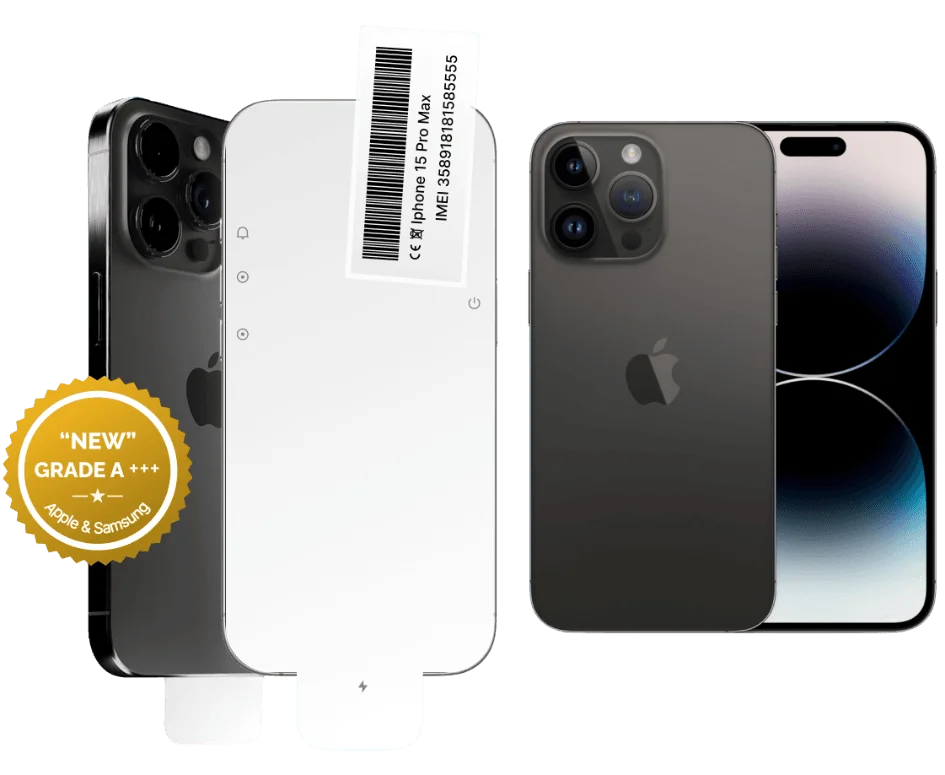
Sourcing refurbished iPhones at wholesale prices in Europe is no longer a straightforward task. As demand for affordable smartphones has grown, so too has the number of suppliers claiming to offer premium stock — making it increasingly difficult to distinguish reliable partners from those who prioritise volume over quality.
For European resellers, distributors, and tech entrepreneurs, finding trustworthy wholesale iPhone suppliers is one of the most consequential business decisions they will make. The right partner determines product quality, profit margins, customer satisfaction, and ultimately the long-term viability of the business. This guide outlines how to evaluate and identify suppliers worth working with.
Understand What “Wholesale” Actually Means in This Market
Before evaluating any supplier, it is important to understand what genuine wholesale pricing looks like — and what it does not.
True wholesale pricing reflects the supplier’s ability to source devices at scale, grade them accurately, and pass those savings on to resellers. Pricing that appears attractive but lacks transparency around device grading, inspection standards, or warranty terms is a warning sign.
In Europe, many suppliers operate as intermediaries — purchasing stock from primary sources in Asia or North America and reselling it at a markup. While this is not inherently problematic, it does compress margins for the end reseller. Whenever possible, working directly with wholesale iPhones suppliers who source from primary markets — such as Hong Kong — offers significantly better pricing and traceability.
Key Criteria for Evaluating iPhone Suppliers
When assessing any potential supplier of wholesale iPhones in Europe, five criteria should be evaluated systematically:
1. Device Grading Transparency A reputable supplier will clearly define their grading standards. A+++ devices should have no visible cosmetic defects, fully functional components, and batteries meeting a defined health threshold. Vague grading terminology — “Grade A,” “like new,” or “excellent condition” without further specification — should prompt deeper scrutiny.
2. Inspection Process Ask specifically how many inspection points each device passes through before shipping. Professional-grade suppliers conduct multi-point checks covering screen integrity, battery health, camera functionality, connectivity, and biometric sensors. A 17-point inspection or equivalent is considered the industry benchmark.
3. Warranty Coverage Any reputable iPhone supplier will stand behind their stock with meaningful warranty terms. Look for a minimum of six months of coverage, with twelve months being the standard among top-tier suppliers. Suppliers offering no warranty, or warranty terms buried in fine print, represent a significant risk.
4. Shipping Reliability For European resellers, shipping speed and predictability directly affect cash flow and customer satisfaction. Suppliers who ship via established international carriers — such as FedEx — with flat-rate or clearly structured pricing allow for more accurate cost forecasting.
5. Payment Flexibility In markets with currency restrictions or limited banking infrastructure, payment flexibility is critical. Suppliers who accept a range of payment methods, including cryptocurrency, demonstrate both operational sophistication and a commitment to serving a global customer base.
The Case for Sourcing Outside Europe
While there are legitimate European iPhone suppliers, the most competitive pricing for wholesale iPhones typically originates from outside the continent — most notably Hong Kong, which has established itself as the global hub for refurbished smartphone supply.
Hong Kong-based suppliers benefit from proximity to original device manufacturers, well-established logistics networks, and a mature refurbishment ecosystem. For European resellers operating in high-tariff markets, the price differential between sourcing locally and importing from Hong Kong can be substantial — often enough to support a meaningful competitive advantage in the end market.
The key is finding suppliers who combine Hong Kong-level pricing with the logistical reliability and warranty standards that European markets demand.
Red Flags to Watch For
Experienced resellers consistently identify the same warning signs when evaluating unreliable suppliers:
- No verifiable business address or registration — legitimate wholesale operations are traceable
- Inconsistent grading — receiving stock that does not match the advertised grade is a chronic problem with lower-tier suppliers
- No returns policy — professional suppliers accommodate DOA (dead on arrival) claims and have clear processes for defective units
- Pressure to commit to large orders upfront — this is frequently used to lock buyers into purchases before quality issues become apparent
- Limited or no online presence — while not definitive, established suppliers maintain a professional digital footprint
Building a Long-Term Supplier Relationship
Finding a reliable supplier is the beginning, not the end, of the process. The most successful European resellers treat their iPhone suppliers as long-term partners rather than transactional vendors.
This means communicating consistently, providing feedback on stock quality, and scaling order volumes as trust is established. Suppliers who offer Mini Wholesale programs — allowing resellers to begin with small orders before committing to larger quantities — are particularly valuable in this context, as they allow the relationship to develop organically without excessive financial exposure.
For European distributors looking to build a sustainable, scalable business in the refurbished iPhone market, the investment of time required to identify and vet the right supplier is among the highest-return activities they can undertake.
Conclusion
The European market for refurbished iPhones offers genuine commercial opportunity — but only for resellers who build their operations on reliable supply chains. By applying rigorous criteria to supplier evaluation, understanding the structural advantages of international sourcing, and prioritising long-term partnerships over short-term cost optimisation, distributors across Europe can position themselves for durable success in one of the world’s fastest-growing consumer electronics segments.