




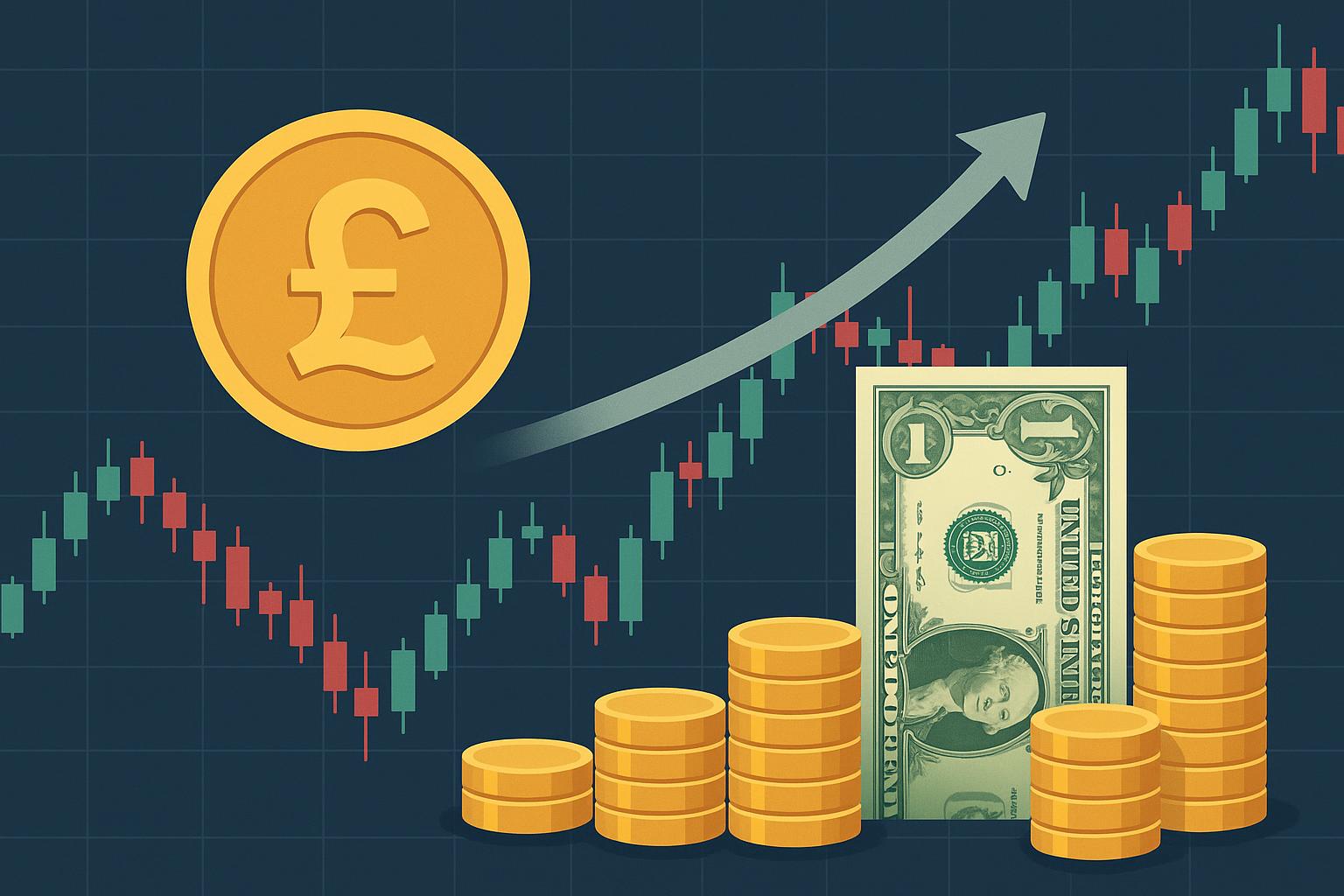
Currency markets operate as dynamic systems shaped by macroeconomic data, monetary policy, capital flows, and investor expectations. Among the most closely observed exchange rates in global finance is the relationship between the British pound and the U.S. dollar. This pair reflects the economic health, policy direction, and financial confidence surrounding two of the world’s most influential economies. Because the exchange rate affects trade balances, investment flows, and international business decisions, analysts continuously evaluate its trajectory. Understanding the pound to dollar forecast requires examining a network of interconnected factors rather than relying on isolated market signals.
For investors, traders, and businesses involved in cross-border transactions, understanding the forces that drive this currency pair is essential. By analyzing the structural drivers behind GBP/USD movements, market participants gain clarity on how exchange rates evolve and why forecasts change over time. The following sections explore the most influential forces shaping this highly watched currency relationship.
Economic Performance and Macroeconomic Indicators
The strength of any currency is closely tied to the overall performance of its economy. Key macroeconomic indicators such as growth rates, inflation levels, and employment trends provide critical insights into how investors perceive economic stability and long-term financial prospects.
- GDP Growth and Economic Expansion: Economic growth is a fundamental indicator of currency strength. When the United Kingdom demonstrates stronger GDP expansion compared to the United States, it signals productivity, investment potential, and consumer demand. These conditions can encourage international investors to move capital into pound-denominated assets. Conversely, when the U.S. economy outperforms its counterpart, demand for the dollar tends to increase.
- Inflation Trends and Price Stability: Inflation levels directly influence purchasing power and monetary policy decisions. Rising inflation may push central banks to increase interest rates in order to stabilize prices. If inflation rises faster in one country than the other, currency markets respond accordingly. Persistent inflation without an effective policy response can weaken a currency’s credibility in global markets.
- Employment Data and Consumer Strength: Labor market performance reflects the overall health of an economy. Strong employment figures indicate higher consumer spending capacity and economic resilience. Wage growth, unemployment rates, and labor participation statistics all influence investor confidence. When employment data consistently supports economic growth, it strengthens expectations about long-term stability and productivity.
Central Bank Policies and Interest Rate Decisions
Monetary authorities play a pivotal role in shaping currency valuations through policy decisions and financial guidance. Interest rate adjustments, liquidity measures, and central bank communication collectively influence investor expectations and international capital movement.
- Interest Rate Differentials: Interest rates determine the yield investors receive when holding assets denominated in a particular currency. When one country offers higher interest rates than another, it becomes more attractive to global investors seeking stronger returns.
- Monetary Policy Strategies: Central banks use various tools to guide economic stability, including interest rate adjustments, bond purchases, and liquidity measures. These policies influence borrowing costs, investment behavior, and consumer spending.
- Policy Communication and Forward Guidance: Markets react not only to policy decisions but also to how central banks communicate their outlook. Speeches, economic projections, and policy statements provide clues about future strategies. Investors interpret these signals to anticipate upcoming rate changes or economic interventions.
Trade Balances and International Capital Flows
Global trade relationships and cross-border investment activities significantly affect currency demand. The balance between exports, imports, and foreign investment determines how much international capital enters or leaves an economy.
- Export and Import Dynamics: Trade balances significantly influence currency demand. When a country exports more goods and services than it imports, international buyers must purchase that nation’s currency to complete transactions. This demand supports currency appreciation over time.
- Foreign Direct Investment: Foreign direct investment reflects long-term confidence in an economy. When multinational corporations invest in infrastructure, technology, or manufacturing within a country, they typically convert large amounts of capital into the local currency. This process increases demand for that currency in international markets. Sustained investment inflows therefore strengthen exchange rate stability and enhance long-term economic prospects.
- Portfolio Investment and Financial Markets: Institutional investors constantly allocate funds across global equity and bond markets. When financial markets in one country offer attractive returns, capital flows toward those assets. These portfolio adjustments influence currency valuation as investors convert funds to access foreign markets.
Market Sentiment and Investor Behavior
Beyond economic fundamentals, financial markets are heavily influenced by the collective expectations and reactions of investors.
- Risk Appetite in Global Markets: Currency markets are heavily influenced by shifts in investor confidence. During periods of global optimism, investors often pursue higher-yielding assets and emerging opportunities. However, when uncertainty rises, capital typically flows toward assets perceived as stable or secure. These changes in risk appetite can rapidly alter currency demand and influence short-term exchange rate trends.
- Speculative Trading Activity: Professional traders, hedge funds, and financial institutions actively speculate on currency movements. These participants analyze economic data, technical patterns, and geopolitical developments to position their trades. Large trading volumes from institutional investors can amplify price movements, sometimes accelerating trends beyond what fundamental factors alone might justify.
- Market Expectations and Behavioral Dynamics: Financial markets often move based on expectations rather than current conditions. If investors collectively anticipate economic improvement in one country, they may begin purchasing that currency before data confirms the outlook. This anticipatory behavior creates momentum in exchange rates and contributes to fluctuations within the pound to dollar forecast.
Conclusion
The movements of the British pound against the U.S. dollar reflect a complex interaction of economic performance, monetary policy decisions, international capital flows, and investor sentiment. Each of these forces contributes to fluctuations in exchange rates and influences how analysts interpret future market direction. Understanding these drivers allows investors, traders, and financial professionals to interpret currency trends with greater precision rather than relying on speculation.
Because the relationship between these two currencies evolves continuously, evaluating the pound to dollar forecast requires ongoing analysis of economic indicators and market behavior. By examining growth trends, policy decisions, and global financial sentiment, market participants can build a clearer understanding of why GBP/USD movements change over time.