




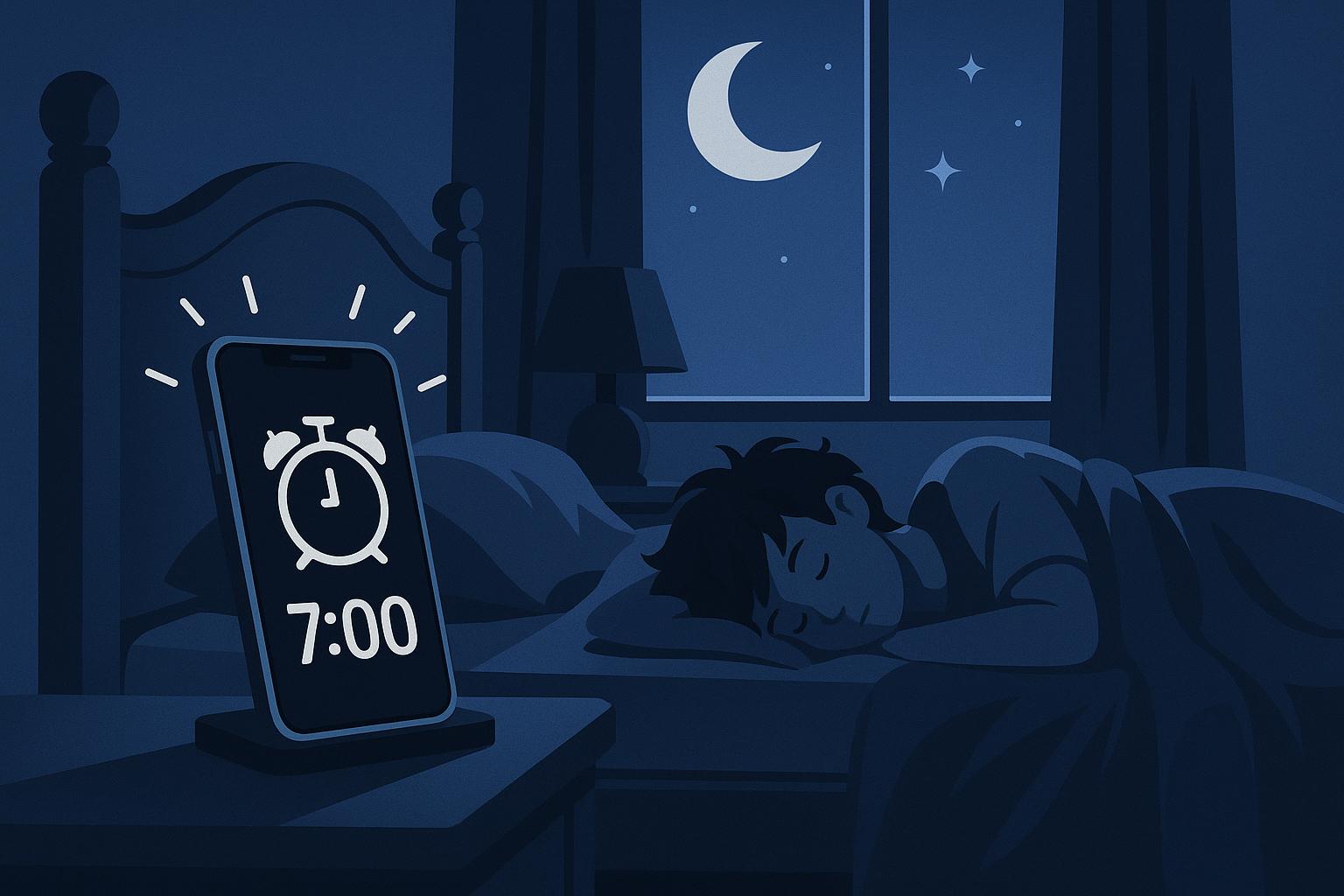
Teenagers are often accused of being lazy because they don’t want to wake up early. The reality is usually more complicated. Their bodies are changing, their social lives are changing, school demands are rising, and their brains may not be ready for sleep at the time adults think they should be. That can be hard for adults who remember their own early mornings, but comparison rarely helps.
Understanding that doesn’t mean letting every routine collapse. It means working with the biology instead of fighting it every night. A teen still needs boundaries, but those boundaries work better when they are based on what is actually happening in their body and life.
Anyone hoping to become a foster parent will need to understand rhythms like these, because sleep, stress and feeling safe can be closely linked for teenagers.
Their body clock shifts later
During adolescence, many young people naturally start feeling sleepy later. That can make a 9pm bedtime unrealistic, even when they are exhausted. The problem is that school, transport, homework and family life often still demand early starts. A teenager can be tired and still not feel able to fall asleep when the house expects them to.
When teen sleep patterns shift later, mornings can feel like a daily argument rather than a simple matter of discipline. It helps to know that the internal timing may genuinely be different from yours. That knowledge can lower the temperature of the conversation, even if the school bus still leaves early.
Sleep still matters deeply
A later body clock doesn’t mean teens need less sleep. Most still need a solid night to manage mood, learning, memory and stress. When they don’t get it, you may see irritability, poor concentration, low motivation or emotional outbursts.
The tricky part is that a tired teenager doesn’t always look sleepy. They might look argumentative, withdrawn or glued to their phone. It helps to ask what the sleep pattern is doing before assuming the behaviour is all attitude. If the same arguments happen every morning, sleep may need to be part of the conversation.
Screens can stretch the night
Phones are not the only reason teens sleep late, but they can make things worse. Messages, videos, games and group chats keep the brain alert. Blue light can also interfere with sleep timing, especially when the phone stays beside the bed.
You don’t need to turn every evening into a battle. Agree a realistic wind-down point, keep chargers outside bedrooms where possible, and make the rule apply calmly rather than dramatically. It can also help if adults model the same boundary rather than expecting teenagers to do something nobody else in the home does.
Make the rule predictable
A calm, repeated phone rule is usually easier to live with than a new argument every night.
Weekends need balance
Letting teens catch up on sleep can help, but very long weekend lie-ins can push the body clock even later. Then Sunday night becomes difficult, and Monday morning feels brutal.
Try a compromise. Let them sleep longer, but not so long that the whole rhythm shifts. Morning light, food and movement can help reset the day without needing a lecture. If they need a lie-in, agree a latest wake-up time that keeps Sunday night from becoming impossible.
Work with them, not over them
Teenagers respond better when they are part of the plan. Ask what makes sleep harder. Is it homework? Anxiety? Noise? Late sport? Friendship drama? A room that is too hot? Too much caffeine?
Start with curiosity
A question about what is keeping them awake often works better than another reminder that they should be asleep.
Young people are more likely to try change when better teenage sleep feels achievable, not when every conversation sounds like criticism. Talk about one change at a time, such as caffeine, charging phones downstairs, light in the morning or a regular wind-down cue.
Better sleep rarely comes from one perfect rule. It comes from steady routines, calmer evenings, realistic expectations and a teenager who feels involved rather than controlled. When you treat sleep as a shared problem to understand, not a character flaw to correct, the conversation usually becomes easier and more honest for everyone in the house, especially at bedtime.