




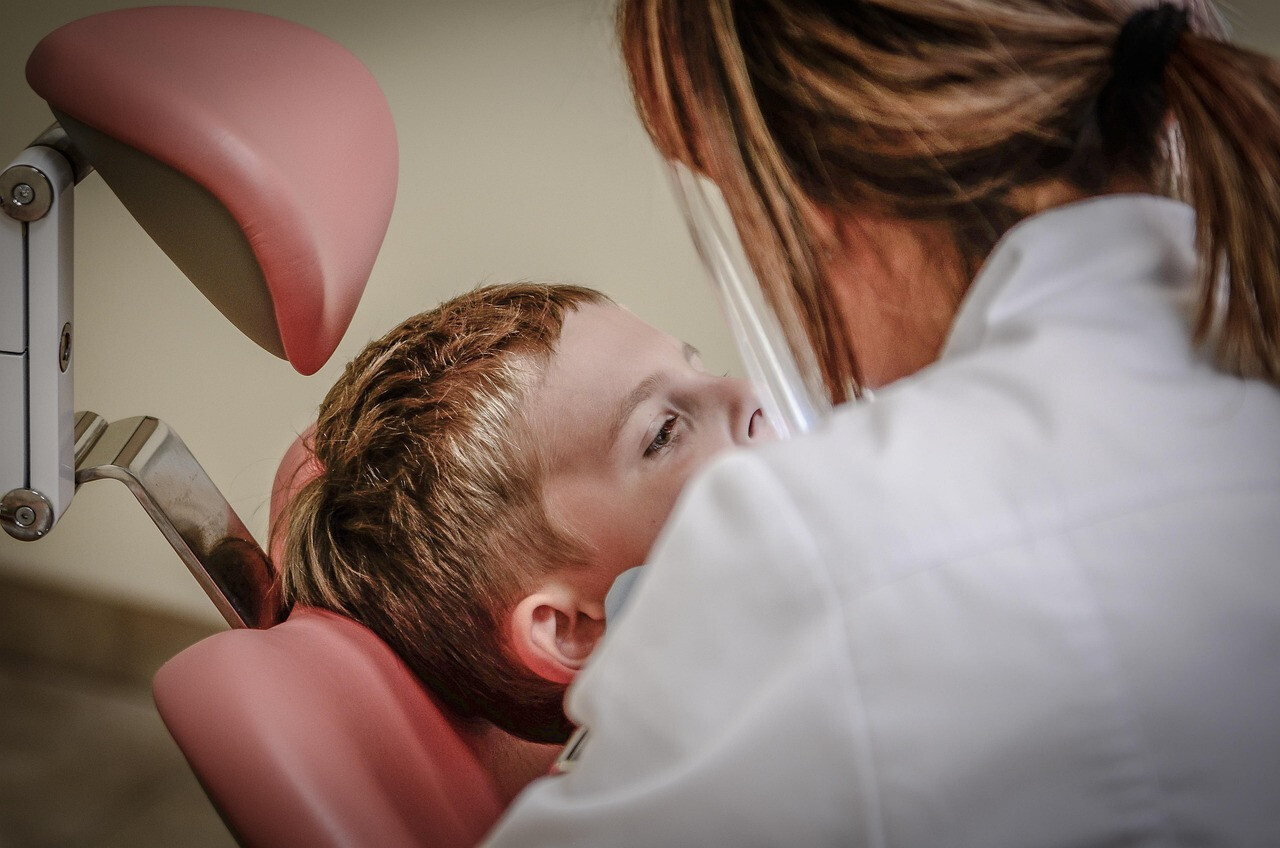
Not every dentist Thornleigh families choose is genuinely set up for family dentistry, even if the website suggests otherwise. There is a meaningful difference between a practice that is simply willing to see children and one that has actually built its approach, staff training and environment around treating the whole family well.
This article looks at the specific qualities that separate a truly family-friendly practice from an ordinary general dentist, so you know what to look for and what questions to ask before committing your household’s care to a new practice.
A Genuine Comfort With Treating Children
Plenty of general dental practices will technically see children, but a practice genuinely experienced with young patients has staff who know how to explain procedures in age-appropriate language, manage nervousness calmly, and keep appointments moving without the child feeling rushed or frightened. This difference is usually obvious within the first appointment.
Flexible Booking for Busy Households
Coordinating school pickups, extracurricular activities and work commitments around dental appointments is a genuine logistical challenge for many families. A practice offering some flexibility, whether through after-school slots or the ability to book multiple family members close together, makes ongoing care noticeably easier to keep up with.
Being Able to Book the Whole Family Together
Some practices actively accommodate booking parents and children back-to-back or even in adjoining rooms, which significantly reduces the number of separate trips a family needs to make over the course of a year.
- Genuine experience with children: calm, age-appropriate communication rather than just tolerance.
- Flexible family bookings: ability to schedule multiple family members efficiently.
- Preventive focus: an emphasis on habits and early intervention, not just treating problems.
- Clear, patient communication: explanations pitched appropriately for both adults and children.
A Focus on Prevention, Not Just Treatment
A strong family dentist places real emphasis on preventive care and habit-building, particularly for children, rather than only addressing problems once they arise. This includes practical guidance on brushing technique, diet and early orthodontic monitoring, which pays off considerably over the years compared with a purely reactive approach.
Communication That Works for Every Age
A genuinely good family practice adjusts how it communicates depending on who is in the chair, explaining things simply and reassuringly for children while giving adults the fuller clinical detail they may want. This adaptability is a strong indicator of a practice that has thought carefully about the whole family experience, not just individual appointments.
Consistency Across Visits and Providers
Where possible, seeing the same dentist consistently, rather than a different provider each visit, helps build familiarity and trust, particularly for children who benefit from a recognisable, consistent face at each appointment. It is worth asking whether a practice can generally accommodate this for ongoing family bookings.
How to Tell in a Single Visit
Much of this becomes apparent within a single introductory visit. Notice how staff interact with children in the waiting area, how clearly things are explained, and whether the pace of the appointment feels rushed or genuinely unhurried, particularly for a first-time young patient.
Handling Nervous Children With Genuine Patience
Every child responds differently to a dental visit, and a genuinely skilled family practice recognises this rather than applying a one-size-fits-all approach. Some children need extra time to explore the chair and equipment before treatment begins, while others simply want the appointment to move along quickly. Staff who can read and adapt to this on the day make a real difference to how a child feels about future visits.
Positive reinforcement, celebrating small wins like sitting still for an X-ray, also helps build a child’s confidence around dental visits over time, which is something a genuinely family-focused practice will naturally build into how they run appointments.
Building Good Habits That Last
Beyond the appointment itself, a strong family dentist takes the time to educate children directly about brushing and flossing in a way that resonates with them, rather than only addressing the parent. This kind of early habit-building tends to pay off considerably over the following years in the form of fewer preventable issues.
The Waiting Room Experience Matters Too
A genuinely family-friendly practice often extends this thoughtfulness to the waiting area itself, with age-appropriate distractions and a layout that feels welcoming rather than clinical. While this is a smaller detail than clinical competence, it contributes meaningfully to how relaxed a child feels before they even reach the treatment chair.
Encouraging children to bring along a favourite small comfort item, such as a soft toy, to their appointment is a simple technique many family-friendly practices actively welcome, since it can meaningfully ease first-visit nerves for younger patients.
Consistency Helps Reduce Long-Term Anxiety
Children who see the same familiar dentist and support staff at each visit tend to build genuine trust more quickly than those facing a different provider every time, which is worth factoring in when comparing how a practice typically staffs its family appointments.
Bringing a small blanket or comfort item from home for younger children can also help ease the transition into an unfamiliar treatment room during those first couple of visits.
Final Thoughts
A genuinely family-friendly dental practice goes well beyond simply being willing to treat children. It shows up in how appointments are scheduled, how staff communicate, and the overall emphasis placed on prevention and long-term habit-building for every member of the household.
If you are considering a new practice for your family, an introductory visit is the best way to see these qualities in action before committing to ongoing care there.