




An assault in an apartment hallway, a parking garage, or a hotel corridor leaves a person hurt by someone else’s deliberate act. It can seem obvious that the attacker carries the blame, and in a criminal sense that is true.
The property where it happened may also share responsibility, though, if poor security made the attack easier to carry out. That question sits at the center of negligent security claims in Denver, which ask whether an owner or manager failed to take reasonable steps against a danger they could see coming.
What Is a Negligent Security Claim?
A negligent security claim is a type of premises liability claim focused on crime. It argues that a property owner, landlord, or business had a duty to keep reasonable security in place, fell short of that duty, and that the shortfall contributed to an attack.
The attacker’s own wrongdoing remains part of the picture. The claim looks at a second question: whether the property’s choices left people more exposed than they should have been.
When Can a Property Owner Be Responsible for a Crime Committed by Someone Else?
Responsibility generally depends on two things: whether the harm was foreseeable and whether reasonable security measures were missing. Owners are not usually expected to stop every possible crime. They are generally expected to respond sensibly to risks they knew about or should have known about.
Timing often shapes how those facts are viewed. An owner who knew about a broken entry gate for weeks may be seen very differently from one who learned about it the same afternoon.
The relationship between the injured person and the property can also matter. Tenants, hotel guests, and shoppers are often owed a higher level of care than someone who wandered onto the property uninvited.
What Makes an Assault Foreseeable on a Property?
Foreseeability tends to turn on what the owner knew or could reasonably have learned. Common signs include:
- Earlier assaults, robberies, or break-ins on the same property
- Similar crimes at nearby properties
- Complaints from tenants, guests, or employees about safety
- Warnings from police or security staff
- The nature of the business, such as late hours or alcohol service
A single prior incident, by itself, may not be enough, while a pattern of similar crimes can carry more weight. How closely past incidents resemble the attack in question often matters too.
What Security Measures Can Matter in a Negligent Security Claim?
The question is usually whether the measures in place were reasonable for the known risk. Measures that often come up include:
- Working lighting in parking areas, stairwells, and walkways
- Functioning locks on doors, gates, and windows
- Controlled entry, such as key cards or a staffed front desk
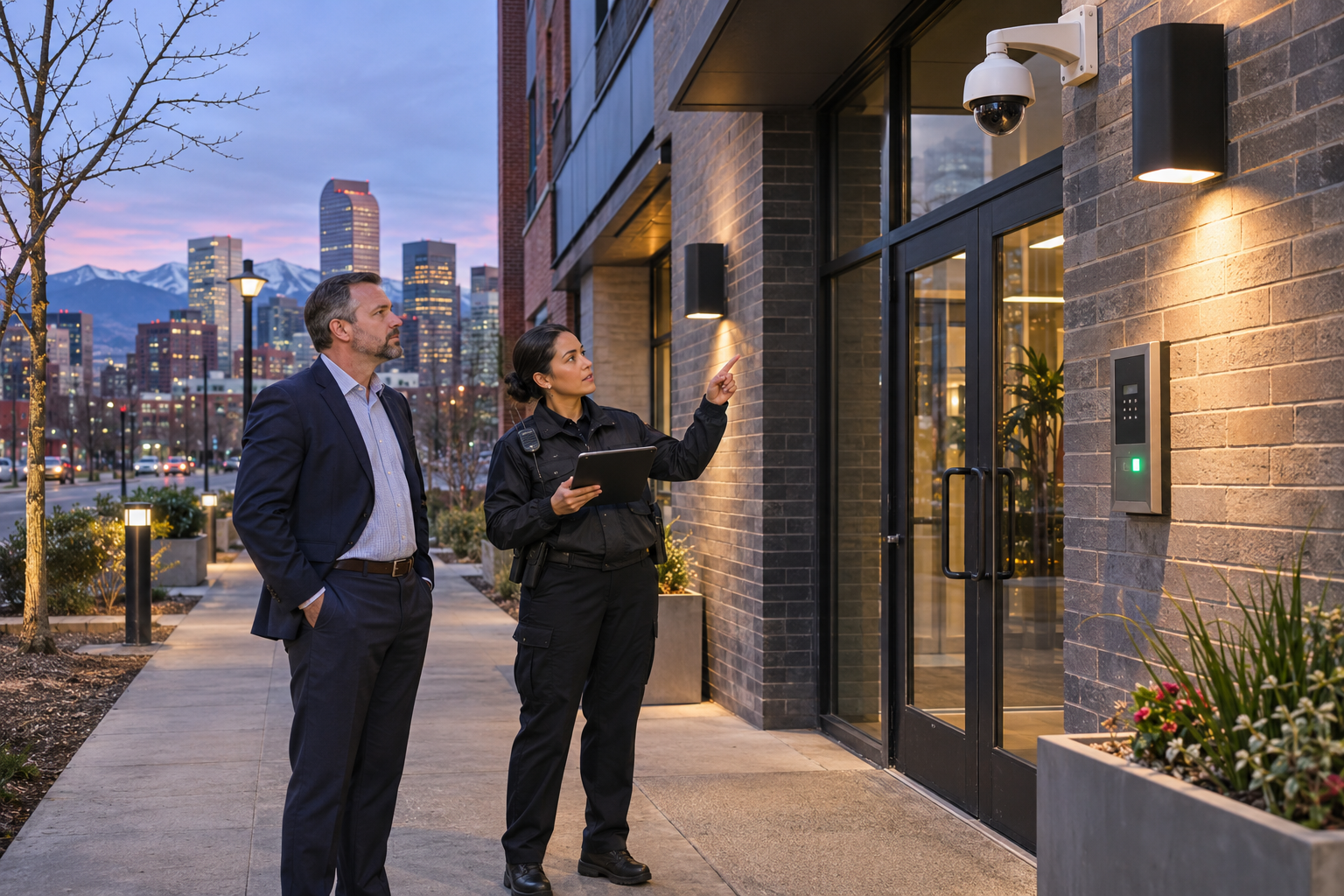
- Security cameras that are monitored or at least operational
- Trained security staff where the risk calls for them
A lock left broken after repeated complaints can say a lot about how seriously a property treated safety.
Does a Property Owner Have to Prevent Every Crime?
Generally, no. The standard is usually reasonableness, and an owner is rarely expected to turn a property into a fortress. A small building with no history of crime may need far less than a large complex with frequent incidents.
Reasonableness may also be measured against what similar properties tend to do. If comparable buildings commonly use controlled entry or good lighting, the absence of those measures may draw attention.
Some attacks happen in ways no reasonable precaution would have stopped. In those situations, a negligent security claim may be difficult to pursue, even when the injuries are serious. The focus often shifts to the link between the missing measure and the attack itself.
Where Do Negligent Security Claims Commonly Arise?
These claims can come up wherever people live, stay, shop, or park. Apartment complexes, hotels and motels, parking garages, shopping centers, bars, nightclubs, and gas stations appear often. Office buildings, college campuses, and event venues can also be involved.
Each setting carries its own expectations. A hotel that controls room keys may be judged differently from an open-air strip mall, and an apartment owner who controls building access may face different questions than a store owner.
What Evidence Can Help Show a Security Failure?
Proof often comes from records the property itself kept, along with outside sources:
- Police reports and calls for service at the address
- Incident logs and prior complaints
- Maintenance requests for lights, locks, or gates
- Security staffing schedules and policies
- Video footage, which may be overwritten quickly
Statements from other tenants or guests can also show how long a problem existed and whether anyone reported it. Requesting footage early can matter, since some systems erase recordings within days.
Deadlines for injury claims vary by claim type and can be short, and an attorney can confirm which ones apply to a particular situation.
2701 Lawrence St Ste 201, Denver, CO 80205
(720) 669-8062