




In the fast-paced world of e-commerce, the visual representation of your product is arguably the most critical factor in driving sales. Consumers cannot touch, feel, or test a product through a screen; they rely entirely on your imagery to make purchasing decisions. Historically, generating a high volume of professional product photos required booking studios, hiring photographers, sourcing props, and spending thousands of dollars on single campaigns.
Today, artificial intelligence has completely revolutionized this process. Brands are no longer restricted to a handful of standard white-background product shots. In this use case breakdown, we will explore how modern e-commerce brands and marketers are leveraging AI photo editing to generate endless product image style variations, saving both time and money while drastically improving audience engagement.
The Challenge of E-commerce Visual Content
Let’s look at a common scenario: You sell a line of premium insulated coffee mugs. You invested in a fantastic initial photoshoot, yielding crisp, high-resolution images of the mugs on a white background. However, as the months roll by, you realize you need lifestyle images to run seasonal Facebook ads, Instagram stories, and email campaigns.
You need a shot of the mug on a cozy winter desk for December, a shot of the mug on a hiking trail for the summer, and a sleek, modern office setup for your B2B marketing. Going back to the studio for every single stylistic variation is a logistical nightmare and an massive drain on your budget. This is exactly where AI steps in as the ultimate use case for product marketers.
Use Case Phase 1: Perfecting the Base Image
Before you can generate stunning lifestyle variations of your product, you need a flawless foundational image. AI cannot magically fix a blurry, poorly lit cell phone picture. The first step in this workflow is utilizing a powerful, dedicated AI photo editor to clean up your existing raw product shots.
In this phase, you are using AI to perform the tedious cleanup tasks that used to take hours in traditional editing software. A high-quality AI editor will allow you to instantly drop out the original background with pixel-perfect precision—even around difficult edges like transparent glass or fine textures. Furthermore, you can use the editor’s intelligent auto-enhance features to ensure the lighting, contrast, and color accuracy of the product are perfect. Once you have this isolated, perfectly lit product asset, you are ready to build new worlds around it.
Use Case Phase 2: Generating Contextual Style Variations
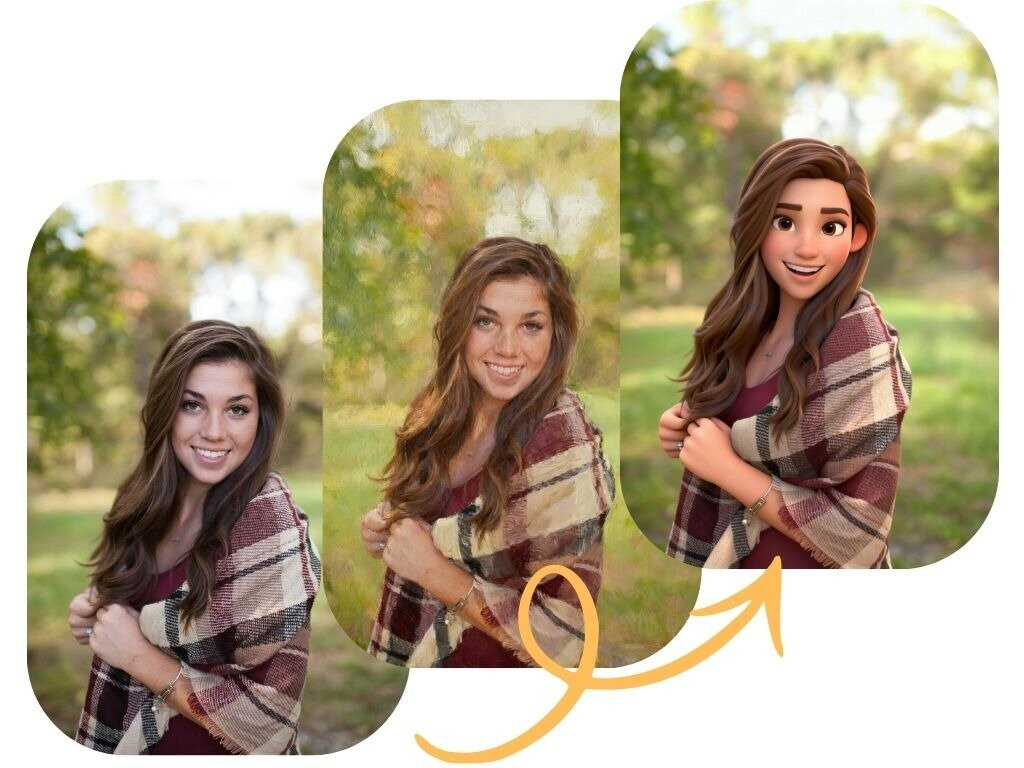
This is where the magic happens. Once you have your clean base image, you don’t need to manually composite it onto stock photos. Instead, you can use a Free Image to Image Generator to seamlessly blend your product into entirely new, AI-generated environments.
Image-to-image technology is a game-changer for product variation because it uses your uploaded product photo as a strict structural reference. By masking the product (telling the AI “do not change this specific area”), you can prompt the generator to completely reimagine the unmasked areas—the background, the lighting, and the surrounding props.
Examples of Style Variations in Practice:
- The Seasonal Shift: Take your isolated coffee mug and prompt the generator with: “A cozy wooden cabin table, blurred fireplace in the background, warm amber lighting, winter morning aesthetic.” Within seconds, the AI generates a photorealistic environment around your mug, automatically calculating the correct shadows and reflections to make the mug look like it was genuinely photographed in that cabin.
- The Vibe Check: For a different ad set targeting a younger demographic, use the same base image but change the prompt to: “Neon glowing cyberpunk cityscape, sitting on a concrete ledge, dramatic purple and blue lighting, cinematic.”
- The Abstract Art Direction: For a high-fashion or avant-garde campaign, you can prompt the AI to place the product on floating geometric pedestals with surreal, pastel-colored clouds in the background.
Use Case Phase 3: A/B Testing at Scale
One of the most significant advantages of using AI to generate style variations is the ability to conduct rigorous A/B testing. Because generating a new lifestyle image takes seconds rather than weeks, your marketing team can test dozens of visual aesthetics simultaneously.
Does your audience respond better to the coffee mug photographed in a minimalist kitchen or on a rugged mountain top? By deploying various AI-generated styles across your ad sets, you can let the data dictate your creative direction. This level of rapid iteration was previously reserved only for massive enterprise brands with unlimited budgets.
Conclusion
The use case for AI in product photography is clear: it democratizes high-end visual marketing. By combining the precision of an AI photo editor for cleanup and the limitless creativity of an image-to-image generator for style variations, brands can create vast libraries of contextual, engaging, and highly converting product imagery. If you want your product to resonate with different audiences across different seasons and platforms, adopting this AI workflow is no longer just an option—it is the new industry standard.