




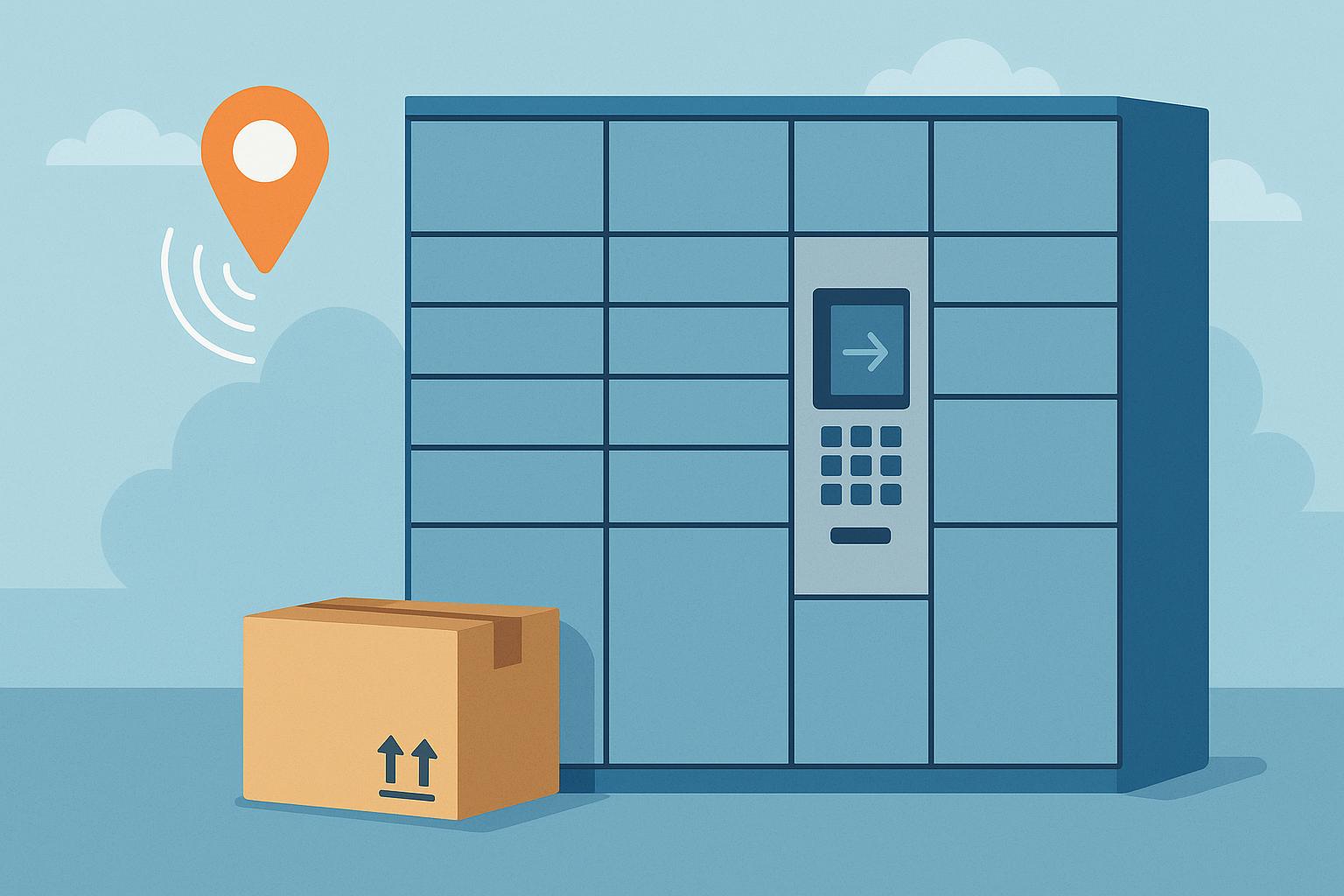
Most delivery friction doesn’t happen on the long journey. It happens right at the end, when a parcel arrives but the handover still feels awkward. Someone misses the courier, a click-and-collect counter gets backed up, building staff end up handling packages they were never meant to manage, or customers wait around for a pickup process that’s supposed to save time. That’s where smart locker solutions are changing the conversation.
The appeal isn’t hard to understand. People want pickup to feel quick, self-directed, and predictable. Businesses want fewer manual handovers, less congestion, and a system that doesn’t collapse the moment volume spikes. Smart lockers sit neatly in that gap because they remove a surprising amount of low-level friction from the final handoff.
Convenience often breaks down right before collection
A lot of businesses put serious effort into ordering, dispatch, and delivery, then leave the pickup stage looking strangely manual. Staff hunt for parcels behind counters, customers wait for assistance, and small delays start stacking into a poor experience.
That’s frustrating because pickup should be the easy part. The item is already there. The real challenge is access. If the handover still depends on staff availability, queue management, or someone sorting through shelves in the back room, the system hasn’t really been streamlined.
Smart lockers change that by turning collection into a cleaner process. The item is secured, the customer gets notified, and pickup happens when it suits them rather than when the counter’s clear.
They solve labour problems as much as customer problems
It’s easy to see lockers purely as a convenience feature for the end user. They do more than that. They also take pressure off staff who’d otherwise spend chunks of the day handling repetitive collection tasks.
In retail, residential buildings, workplaces, education settings, and mixed-use sites, package management can quietly eat time. Staff answer the same questions, retrieve the same items, and deal with the same collection bottlenecks over and over. That workload adds up, especially when parcel volume is inconsistent and hard to predict.
A locker system reduces those interruptions. The pickup process becomes more self-service, which frees staff to focus on work that actually needs people.
Volume spikes are where weak systems get exposed
Manual pickup processes can look fine on a normal day. Then peak periods hit and the cracks open up quickly. Holiday trade, promotional events, end-of-day office collections, student parcel surges, apartment delivery peaks; all of it creates pressure right where many sites are least equipped to handle it.
That’s where lockers earn their keep. They absorb bursts of activity far better than a desk, shelf, or ad hoc collection area. Items stay organised, customers move through faster, and the pickup point doesn’t rely on one staff member trying to manage ten things at once.
Scalability matters here. A good system shouldn’t only work when demand is calm. It should still hold together when usage jumps.
Security becomes part of the value very quickly
Package handling gets messy when too many hands sit in the process. Parcels go missing, get picked up by the wrong person, or sit in unsecured areas waiting for someone to deal with them. That creates obvious risk, though it also chips away at confidence.
A locker system brings more control to that final stage. Access is tied to the intended recipient, the item stays secured until collection, and the handover becomes easier to track. That matters in places where package volume is high and accountability can otherwise become blurry.
For residential buildings, workplace mailrooms, and shared commercial environments, that security layer is often one of the biggest practical wins.
The best systems fit into existing behaviour
Technology only helps when people actually use it without friction. That’s why locker systems work best when the process feels familiar and low effort. Notification comes through clearly. Access is simple. Collection is fast. The user doesn’t need a long explanation to understand what happens next.
That ease matters because pickup usually sits inside a larger routine. Someone is grabbing a parcel on the way home, between meetings, after class, or during a retail visit. The system has to respect that. If it introduces too many steps, it starts recreating the very inconvenience it was meant to remove.
A strong locker solution feels close to invisible. The customer knows what to do almost immediately.
Location matters as much as the locker itself
A good locker bank in the wrong place still creates friction. Placement shapes whether the system feels useful or awkward. It needs to sit where people can reach it naturally, without adding unnecessary detours or congestion.
That makes site planning important. In retail, lockers need to support customer flow rather than fight it. In residential settings, they should be accessible without compromising building movement or security. In workplaces and education sites, they need to match actual foot traffic patterns rather than idealised diagrams.
The hardware matters. The placement often determines whether people actually embrace the system.
Smart pickup changes expectations across the whole experience
Once people get used to easy, self-service collection, patience for clunky alternatives drops quickly. They stop wanting to queue for a parcel that’s already on site. They stop accepting vague collection windows. They start expecting pickup to feel as streamlined as ordering.
That shift matters for businesses because convenience now shapes brand perception more than many still admit. The customer doesn’t separate the product from the collection experience quite as neatly as operators sometimes assume. If pickup feels chaotic, the overall experience feels weaker.
Locker systems improve that final touchpoint in a way customers notice straight away.
They’re part of a bigger move towards unattended service
Smart lockers also fit a broader operational shift. More services are moving towards secure, self-directed access rather than fixed counter-based handover. That’s happening because people value flexibility, and because organisations are under pressure to reduce labour drag where it doesn’t add much value.
Pickup is an obvious place for that shift to land. Not every handover needs a person attached to it. In plenty of environments, unattended collection is simply the cleaner model.
That doesn’t make human service irrelevant. It just means businesses are getting better at separating what needs human involvement from what doesn’t.
The final handoff deserves more attention than it gets
A lot of delivery strategy still focuses on getting the item close enough, then treating the rest as minor detail. It isn’t. The last few metres often decide whether the whole process feels smooth or irritating.
That’s why smart locker solutions are reshaping pickup. They reduce waiting, improve security, ease staff pressure, and make collection feel more aligned with how people already live and move. For businesses and sites handling growing parcel volume, that’s not a small operational tweak. It’s a better answer to a problem that’s been hanging around in plain sight for too long.