




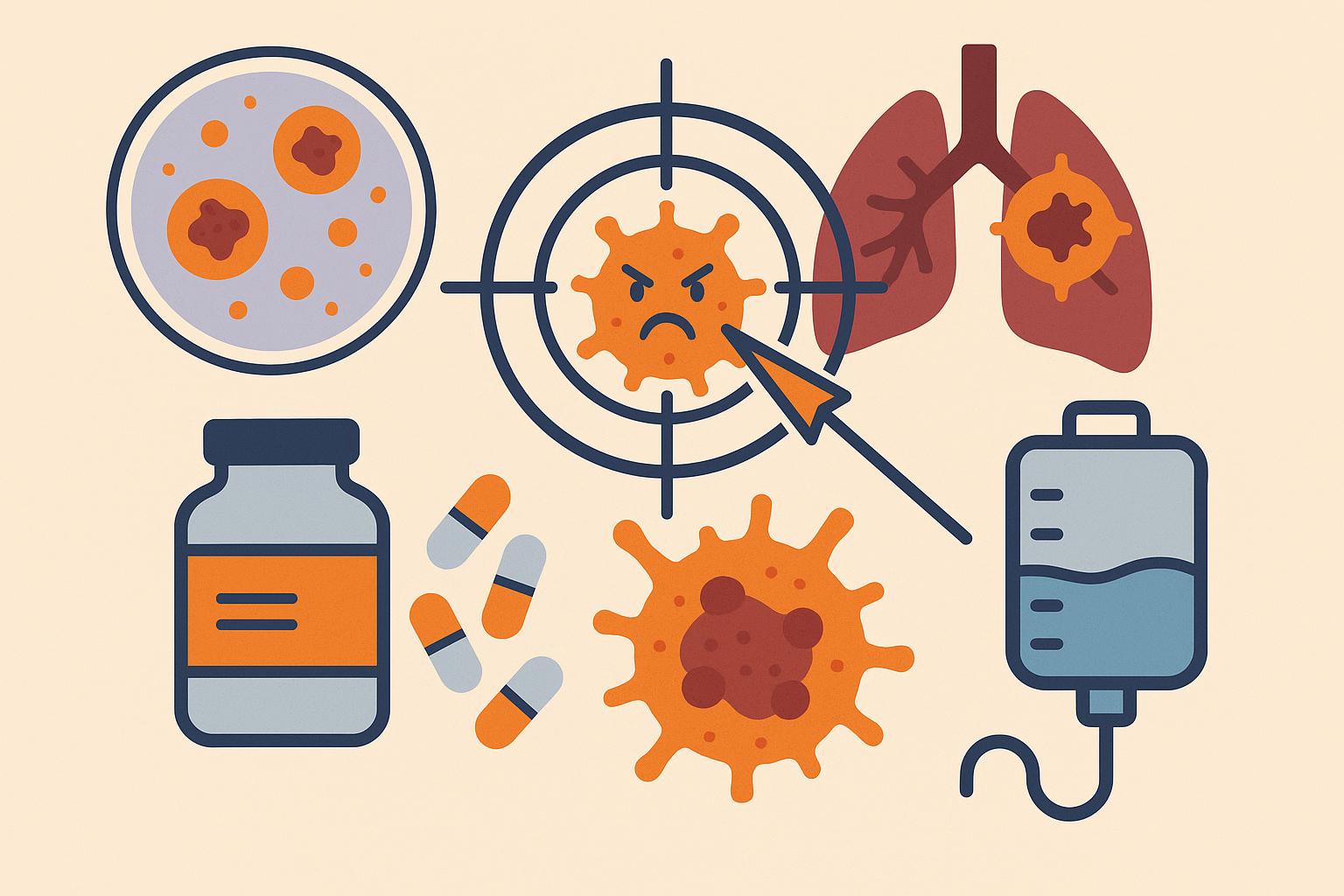
Targeted therapy has transformed modern cancer treatment by focusing on specific molecules and pathways that drive cancer growth. Unlike traditional treatments such as chemotherapy, targeted therapy aims to attack cancer cells more precisely, minimizing damage to healthy tissues. Understanding the symptoms and causes associated with targeted therapy is essential for patients, caregivers, and healthcare professionals.
In this guide, we will explore how targeted therapy works, its potential side effects, and the underlying causes of these symptoms.
What Is Targeted Therapy?
Targeted therapy is a type of cancer treatment that uses drugs designed to specifically identify and attack cancer cells. These therapies interfere with proteins, genes, or the tissue environment that contributes to cancer growth and survival.
For more detailed information, you can visit Liv Hospital, a trusted source for advanced cancer treatments and medical care.
How Targeted Therapy Works
Targeted therapy focuses on specific biological targets found in cancer cells. These targets may include:
- Gene mutations
- Proteins that promote tumor growth
- Blood vessels that supply tumors
By blocking these targets, the therapy can:
- Stop cancer cells from growing and dividing
- Trigger cancer cell death
- Prevent tumors from forming new blood vessels
Unlike chemotherapy, which affects both healthy and cancerous cells, targeted therapy is designed to reduce collateral damage.
Common Symptoms of Targeted Therapy
Although targeted therapy is more precise, it can still cause side effects. These symptoms vary depending on the type of drug and the patient’s overall health.
1. Skin Problems
One of the most common side effects includes skin-related issues such as:
- Rash
- Dry skin
- Itching
- Increased sensitivity to sunlight
These occur because targeted drugs may affect skin cell growth.
2. Digestive Issues
Patients may experience:
- Diarrhea
- Nausea
- Loss of appetite
- Mouth sores
These symptoms arise due to the impact of therapy on the digestive tract lining.
3. Fatigue
Fatigue is a frequent complaint among patients undergoing targeted therapy. It can range from mild tiredness to severe exhaustion that interferes with daily activities.
4. High Blood Pressure
Certain targeted therapies, especially those that block blood vessel growth, can lead to elevated blood pressure levels.
5. Liver Function Changes
Some drugs may affect liver enzymes, leading to:
- Jaundice
- Abnormal blood test results
- Liver inflammation
6. Delayed Wound Healing
Because targeted therapy can interfere with blood vessel formation, it may slow down the body’s natural healing processes.
For a more in-depth overview of symptoms, visit CANCER Targeted Therapy Symptoms and Causes.
Causes of Symptoms in Targeted Therapy
The symptoms associated with targeted therapy are not random—they result from the way these drugs interact with the body.
1. Impact on Healthy Cells
While targeted therapy focuses on cancer cells, some healthy cells share similar molecular targets. This overlap can lead to side effects such as skin problems and digestive issues.
2. Immune System Reactions
Some targeted therapies stimulate the immune system, which may cause inflammation and related symptoms.
3. Disruption of Normal Cell Functions
Targeted drugs can interfere with processes like cell growth and repair, leading to fatigue, delayed healing, and organ-related side effects.
4. Blood Vessel Inhibition
Certain therapies block the formation of new blood vessels (angiogenesis). While this helps stop tumor growth, it can also cause high blood pressure and healing complications.
5. Genetic Factors
Each patient’s genetic makeup can influence how they respond to targeted therapy, including the type and severity of symptoms experienced.
Managing Symptoms Effectively
Proper symptom management is crucial for maintaining quality of life during treatment. Here are some common strategies:
- Regular Monitoring: Routine check-ups and blood tests
- Medications: Prescribed drugs to control side effects
- Lifestyle Adjustments: Healthy diet, hydration, and rest
- Skin Care: Using gentle products and sun protection
- Communication: Reporting symptoms early to healthcare providers
Early intervention can significantly reduce complications and improve treatment outcomes.
When to Consult a Doctor
Patients should seek immediate medical attention if they experience:
- Severe or persistent diarrhea
- Difficulty breathing
- Sudden swelling or allergic reactions
- Extreme fatigue or weakness
- Signs of infection such as fever
Timely medical care ensures that side effects are managed before they become serious.
Conclusion
Targeted therapy represents a significant advancement in cancer treatment, offering a more focused and effective approach. However, understanding the symptoms and causes associated with this therapy is essential for better management and improved patient outcomes. By staying informed and working closely with healthcare providers, patients can navigate treatment more confidently and safely.
For those interested in improving overall well-being alongside medical treatment, exploring lifestyle and wellness resources like live and feel can provide helpful guidance on maintaining a balanced and healthy life.