




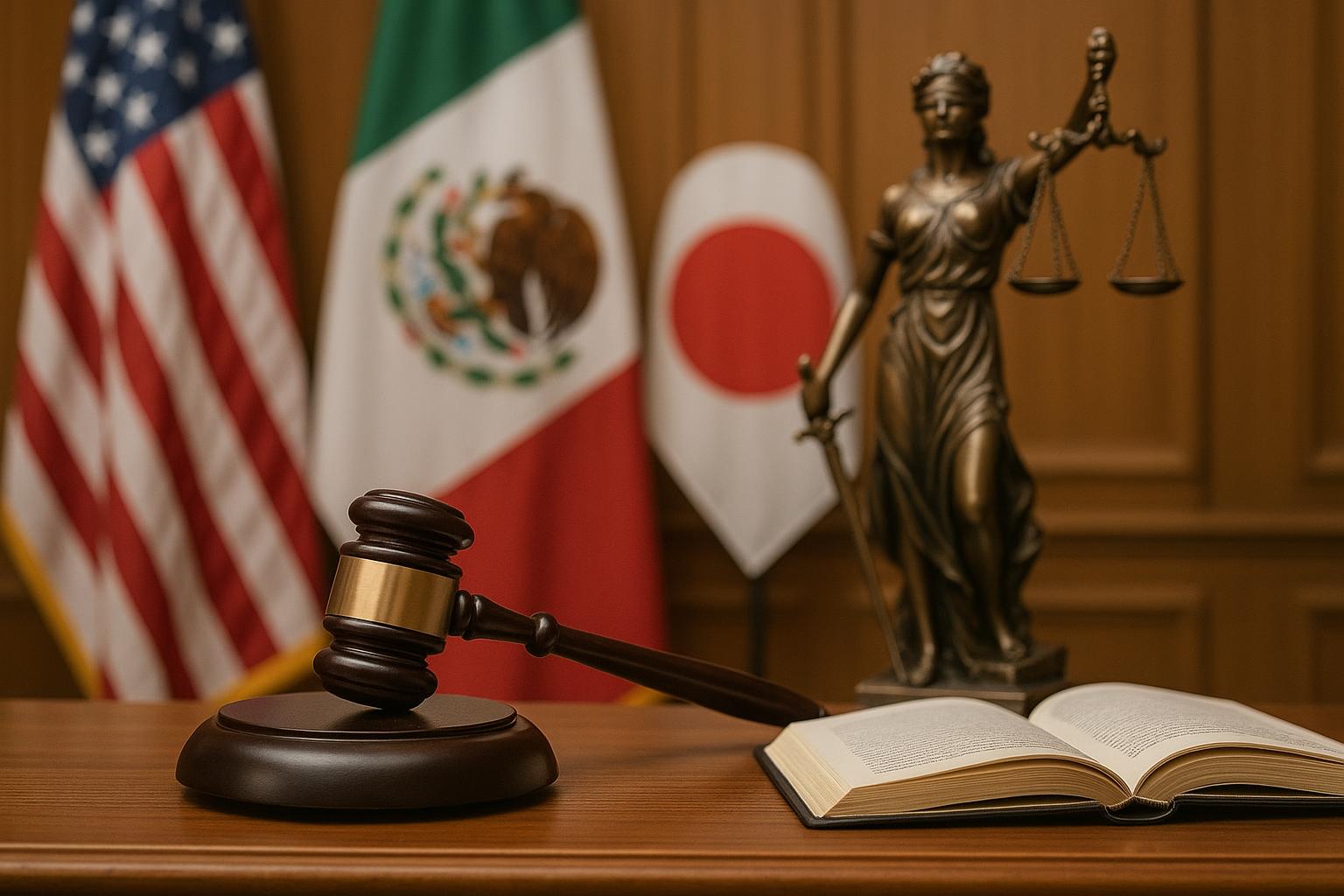
Judge Megan Goldish serves in the Circuit Court of Cook County’s Domestic Violence Court Division, where she oversees a wide range of civil and criminal matters, including daily orders of protection and felony preliminary hearings. Her judicial responsibilities require careful review of motions, confidential records, and high volume court calls that involve individuals from varied backgrounds. In this context, Judge Megan Goldish’s professional experience reflects the importance of understanding how culture, language, and lived experience influence courtroom communication and participation. With a background as a longtime Cook County Assistant State’s Attorney and as an educator in trial advocacy, she brings practical insight into how cultural awareness supports clarity, procedural fairness, and informed decision making in court.
Why Understanding Different Cultures Matters in Court
In a perfect world, everyone is equal in the eyes of the law. While this principle is foundational to justice, people do not enter the courtroom as blank slates. They arrive shaped by language, culture, family structure, faith, and lived experience. When judges, attorneys, and courtroom employees understand those differences, the court becomes a fairer environment.
Culture influences how people communicate. In court, that matters more than most realize. Eye contact, tone of voice, physical distance, and even silence can carry different meanings across cultures. A person who avoids eye contact may be showing respect, not evasiveness. Someone who speaks softly or hesitates before answering may be processing language carefully rather than hiding the truth. Without cultural awareness, these behaviors can be misread, and misinterpretation can affect how credibility is perceived.
Language barriers present another challenge. Even when an interpreter is present, meaning does not always transfer neatly from one language to another. Words tied to emotion, family roles, or personal experience can lose nuance in translation. Cultural understanding helps judges and attorneys recognize when confusion stems from language or context, rather than intent. That awareness allows courts to slow down, clarify, and ensure that people truly understand what is being asked of them and what is happening around them.
Cultural context also shapes how people view authority and the legal system itself. Some individuals come from countries where courts are feared rather than trusted, or where speaking openly to officials carries risk. Others may have grown up in communities where law enforcement interactions were consistently negative. These experiences can influence how people behave in court, how much they speak, and how willing they are to ask questions. Recognizing this helps courts avoid mistaking fear or distrust for disrespect.
Family and community structures vary widely as well. In some cultures, extended family plays a central role in decision-making and support. In others, privacy is deeply valued, even in moments of crisis. These differences can affect everything from how domestic disputes are described to why someone relies on certain individuals for help. When courts understand these dynamics, they are better equipped to ask the right questions and to avoid assumptions that do not reflect a person’s reality.
Cultural awareness does not mean lowering legal standards or excusing unlawful behavior. The law applies equally to all. Cultural understanding ensures that the process leading to legal decisions is informed, thoughtful, and grounded in reality. It helps courts distinguish between willful conduct and misunderstanding, between indifference and fear, between defiance and confusion.
For communities, this approach builds trust. When people believe they are seen and heard, they are more likely to engage with the legal system, comply with court orders, and seek help when they need it. Trust does not come from outcomes alone. It grows from the experience of being treated with dignity, even during difficult moments.
Courts reflect the communities they serve. As neighborhoods become more diverse, the justice system must be prepared to meet people where they are. Judges, attorneys, and court staff who invest time in learning about different cultures are not stepping outside their roles. They are strengthening them.
Understanding different cultures in court is ultimately about listening with care. When the courtroom gives everyone a genuine opportunity to be understood, justice becomes more humane and accessible to all.
About Judge Megan Goldish
Judge Megan Goldish is a judge in the Circuit Court of Cook County’s Domestic Violence Court Division, handling civil and criminal cases, orders of protection, and felony preliminary hearings. She earned her juris doctor from Northwestern University Pritzker School of Law, graduating magna cum laude. Judge Goldish has served as an adjunct instructor in trial advocacy, mentors attorneys and judges, and remains actively involved in professional and community organizations focused on justice, education, and public service.