




Table of Contents
- What Are Pooled Employer Plans?
- Benefits for Employers
- Advantages for Employees
- Recent Developments in PEPs
- How to Implement a PEP
- Final Thoughts
Pooled Employer Plans (PEPs) are reshaping how businesses approach retirement benefits. For many small and medium-sized businesses, offering robust retirement options was once out of reach due to complexity and cost. With retirement solutions with pooled employer plans, businesses can now leverage collective resources to deliver cost-effective and efficient retirement plans for their workforce. This shift not only simplifies management for employers but also broadens access for employees who may not have otherwise had access to a quality retirement plan.
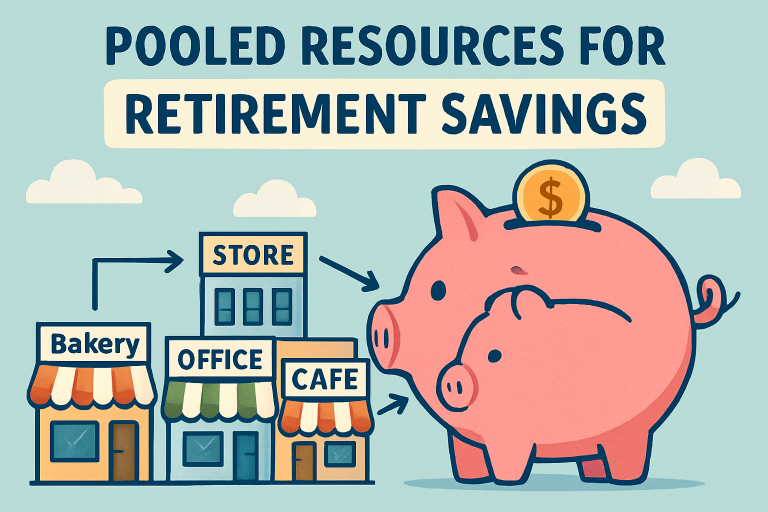
Designed to streamline administration and reduce expenses, PEPs allow unrelated employers to participate in a single, professionally managed 401(k) plan. By pooling resources, companies gain greater negotiating power and access to benefits typically reserved for larger organizations. As PEP adoption accelerates, it signals a positive transformation in the American retirement landscape.
For employers and employees alike, understanding the intricacies of PEPs is crucial for making informed decisions about retirement planning. As more companies seek smart ways to enhance their benefits offerings, PEPs stand out as a pivotal innovation.
What Are Pooled Employer Plans?
Pooled Employer Plans are retirement plan structures created under the SECURE Act of 2019 to allow unrelated employers to join a single 401(k) plan, managed by a Pooled Plan Provider (PPP). These providers handle the fiduciary and administrative responsibilities, consolidating key tasks and oversight. PEPs are designed to address the biggest hurdles employers face when starting and maintaining a traditional 401(k) plan: high costs, complex compliance requirements, and ongoing plan maintenance.
This collective model removes the need for each company to oversee its own plan, offering a streamlined route to providing competitive retirement benefits. By pooling assets and participants, PEPs make financial sense for smaller firms that may lack the resources to sponsor a single-employer plan. According to the U.S. Chamber of Commerce, this innovation is poised to significantly close the retirement savings gap among American workers.
Benefits for Employers
For employers, especially those operating on smaller scales, PEPs present significant advantages:
- Reduced Administrative Burdens: Employers participating in a PEP can delegate plan management, including paperwork, legal compliance, and required filings, to the pooled plan provider.
- Lower Costs: When employers pool resources and assets, plan fees and administrative expenses are typically reduced due to economies of scale.
- Mitigated Fiduciary Risk: PEPs transfer key fiduciary responsibilities and risks from individual employers to the pooled plan provider, giving companies greater peace of mind.
- Attracting and Retaining Employees: Offering a competitive retirement plan can be a deciding factor for talent acquisition and retention in a competitive job market.
These collective benefits have driven more businesses to consider PEPs as a cornerstone of their employee benefits strategy.
Advantages for Employees
For workers, access to pooled retirement savings presents a new era of opportunity:
- Broader Access: Employees at small businesses, who are often excluded from retirement benefits, can now participate in high-quality 401(k) plans.
- Lower Fees: By combining resources, PEP participants often pay lower administrative and investment fees compared to standalone plans.
- Professional Plan Management: Investment options and plan administration are professionally managed, resulting in better outcomes and fewer administrative issues.
- Greater Portability: As employees move between jobs at participating employers, they may find it easier to retain and grow their retirement savings.
Workers who benefit from robust retirement plans are more likely to experience improved long-term financial security, highlighting the societal value of PEPs.
Recent Developments in PEPs
Recent legislative changes have dramatically expanded the utility and accessibility of Pooled Employer Plans. In particular, the SECURE 2.0 Act of 2022 introduced more than 90 new provisions for U.S. retirement savings plans, many of which directly impact PEPs. Key changes include increased tax credits for small businesses establishing plans, streamlined administrative standards, and expanded automatic enrollment features. These reforms aim to bolster retirement plan coverage and encourage more employers to participate.
Additionally, technological advancements have made it easier for pooled plan providers to manage multi-employer plans while maintaining compliance and robust participant services. Current data from the Society for Human Resource Management shows steady adoption and a growing number of registered plan providers, signaling a new trend in American retirement savings.
How to Implement a PEP
Employers considering joining a Pooled Employer Plan should follow several key steps for a smooth transition:
- Evaluate Plan Providers: Research multiple pooled plan providers, assessing their track record, service offerings, and reputation.
- Understand Plan Features: Review available investment options, plan fees, and supporting services to ensure they meet both the company’s and employees’ needs.
- Communicate with Employees: Clearly explain the new retirement plan, how it works, and the benefits employees can expect.
- Monitor Ongoing Performance: Continually review plan performance, provider service levels, and legal compliance to ensure ongoing alignment with organizational goals and regulatory requirements.
By following these steps, businesses can implement a PEP that maximizes value for both their organization and their workforce. Additionally, it’s beneficial to consult with financial advisors or benefits consultants to ensure that each aspect of plan integration aligns with the company’s specific needs. Employee feedback can also be invaluable, providing insight into workforce expectations and helping employers offer truly meaningful retirement options. When executed thoughtfully, a PEP can play a pivotal role in fostering long-term financial well-being for all participants, ultimately strengthening organizational culture and stability.
Final Thoughts
Pooled Employer Plans represent a major advancement in workplace retirement benefits, enabling small and medium-sized businesses to offer competitive, affordable, and professionally managed savings options to their employees. As legislative and market trends continue to encourage wider adoption of PEPs, these plans are set to drive improved retirement outcomes for American workers. For organizations seeking a streamlined and cost-effective way to enhance retirement offerings, considering a PEP is a strategic move toward future financial security for their employees.