




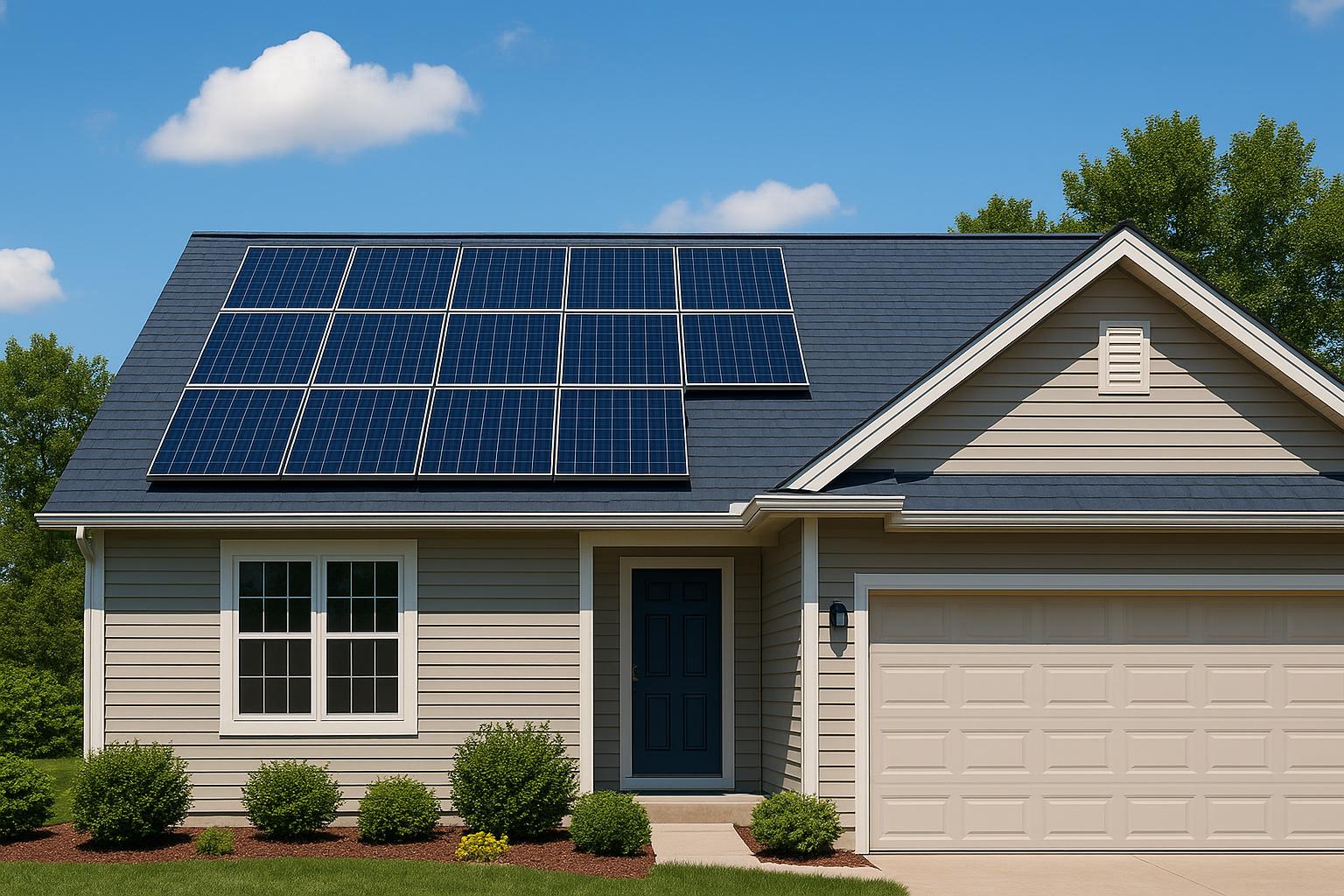
With energy costs consistently on the rise, many homeowners in Rhode Island are actively seeking ways to cut down on their monthly utility bills. One increasingly popular solution is the installation of residential solar panels. This option not only offers a sustainable energy source but also promises significant savings on electricity costs. In this article, we will delve into how installing Residential Solar Rhode Island can effectively reduce your energy expenses. We will explore the cost-saving benefits, financial incentives available, the role of solar panel efficiency, and share real-life examples of Rhode Island residents who have successfully lowered their bills by going solar.
How Installing Residential Solar in Rhode Island Can Lower Energy Costs
Installing solar panels in your home can substantially lower your monthly energy expenses. By generating your own electricity, you rely less on the grid, reducing your electricity bill. In Rhode Island, the average household can save approximately 30-40% on their annual energy costs by switching to Residential Solar Rhode Island power (Source: EnergySage, 2023). Moreover, with advanced technologies like Load Forecasting Algorithms, homeowners can optimize their energy consumption, ensuring they use solar power most efficiently during peak times.
Additionally, solar panels can increase the value of your home. Properties with installed solar systems are often more attractive to buyers, given the promise of lower energy bills and a reduced carbon footprint. This potential increase in home value further contributes to the long-term financial benefits of solar investment.
For those concerned about upfront costs, numerous financing options are available, including solar loans and power purchase agreements. These options allow homeowners to spread the cost over time, making solar more accessible while still enjoying immediate savings on energy bills.
Exploring the Financial Incentives for Solar Energy in Rhode Island
Rhode Island offers several financial incentives to encourage the adoption of solar energy. One major incentive is the federal tax credit, which allows homeowners to deduct a significant percentage of the solar system installation cost from their federal taxes. Additionally, Rhode Island offers a state incentive known as the Renewable Energy Growth Program, which provides payments for the electricity generated by their solar panels.
Furthermore, net metering is another crucial financial benefit for solar adopters in Rhode Island. This program compensates homeowners for the excess electricity their solar system produces, which can be fed back into the grid. This allows homeowners to receive credits on their electricity bills, further reducing overall costs.
These incentives, combined with the inherent savings from reduced electricity use, make solar an economically attractive option for many Rhode Island residents. For more detailed information on these programs, you can refer to the Rhode Island Office of Energy Resources.
Understanding Solar Panel Efficiency and Its Impact on Savings
The efficiency of solar panels plays a crucial role in determining the extent of savings on energy bills. High-efficiency panels convert more sunlight into electricity, leading to greater energy production and, consequently, higher savings. In Rhode Island, where sunlight hours can vary, choosing efficient panels is essential for maximizing return on investment.
Technological advancements, such as improvements in Heat Exchanger Efficiency, have significantly enhanced the performance of modern solar panels. These improvements enable panels to capture and convert more solar energy even in less-than-ideal weather conditions, ensuring consistent energy production throughout the year.
When considering a solar installation, it is essential to work with a reputable installer who can provide panels with optimal efficiency ratings. This ensures that homeowners can achieve the highest possible savings on their energy bills.
Real-Life Case Studies of Rhode Island Homeowners Saving with Solar
Many Rhode Island homeowners have already reaped the benefits of installing solar panels. For instance, a family in Providence reported a 35% reduction in their annual energy costs after switching to solar (Source: Solar United Neighbors, 2023). By utilizing the state’s net metering program, they were able to offset the majority of their electricity consumption during the summer months.
Another example involves a Warwick homeowner who, after a comprehensive Risk Assessment Matrix, decided to install a solar system. This decision was driven by the projected long-term savings and the desire to reduce their environmental impact. Their system now covers approximately 80% of their energy needs, leading to substantial annual savings.
These cases highlight the tangible benefits of adopting solar energy in Rhode Island. By investing in solar, these homeowners have not only reduced their energy bills but also contributed to a more sustainable future.
Conclusion
Switching to residential solar power in Rhode Island can significantly decrease your energy bills while providing environmental benefits. By taking advantage of financial incentives and choosing efficient solar panels, homeowners can maximize their savings. Real-life examples from Rhode Island demonstrate the potential for substantial cost reductions. For those considering this sustainable energy solution, now is an opportune time to explore the benefits of Residential Solar Rhode Island.