




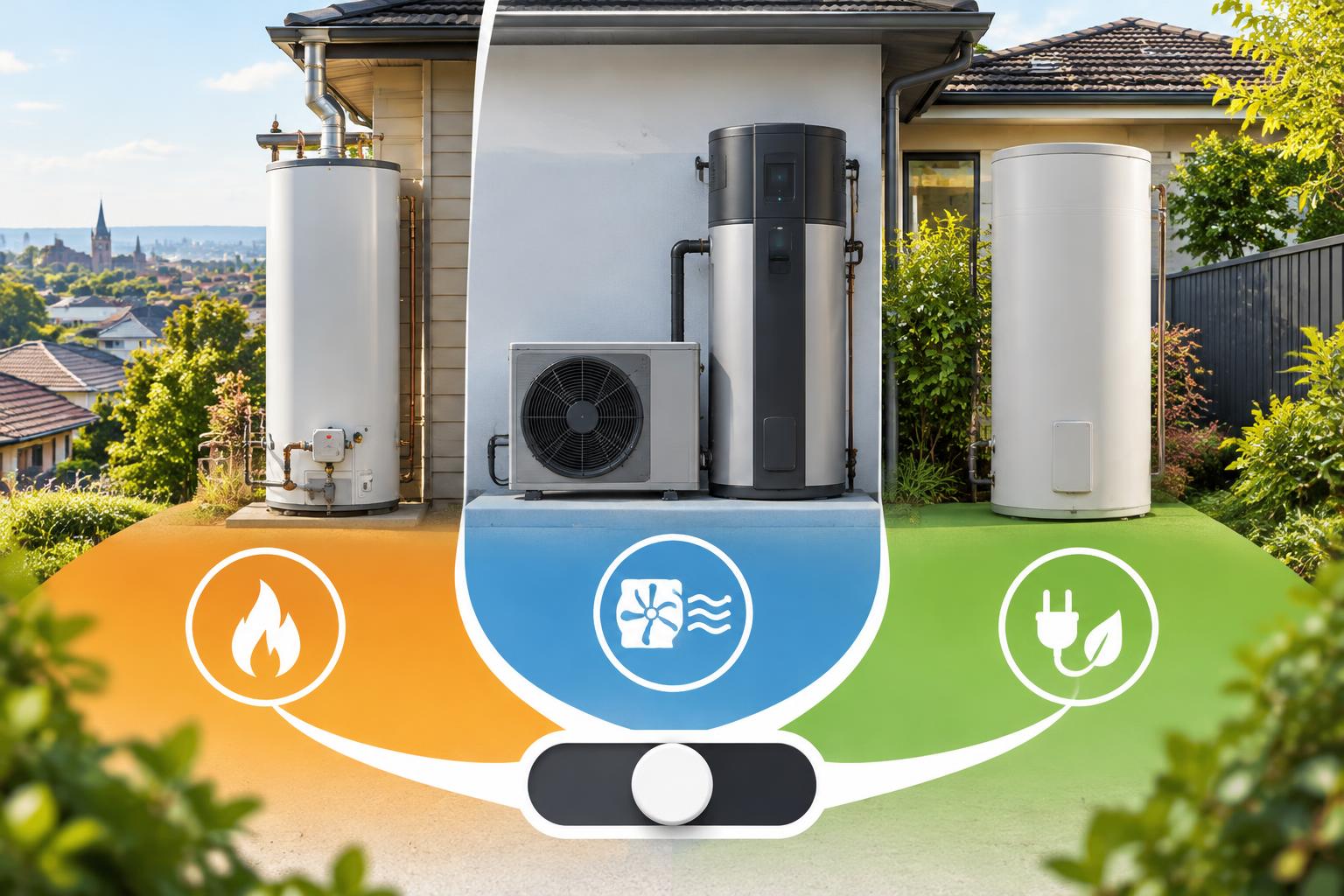
Gas hot water systems may not be installed in existing Victorian homes after 1 March 2027. If a hot water system stops working due to malfunction or requires replacement, it has to be replaced with an electric one. Many Preston properties are equipped with gas systems which have been used for ten or fifteen years and even longer. Owners of Preston properties are already asking the same question: whether to hold it out or to get ahead of it? The answer depends on the system’s age and the expenses it is associated with.
What Is Required to Be Changed, and What Stays Unchanged?
Replacement requirements concern hot water supply systems exclusively, according to energy regulations developed by the Victorian Government. It does not cover the existing gas heating and cookers in established homes. Gas connections in homes and existing gas appliances may be kept. If a gas system has only one faulty component, plumbers Preston households trust may repair it for as long as it is possible.
For new constructions, the requirement is stricter. From 1 January 2027, new residential constructions and total rebuilding projects may not use gas except in certain special cases. Landlords of rental property are regulated by different minimum standards, which need to be checked separately.
Indications That a System Is Outdated
Most of the storage hot water systems provide owners with the indication of failure before a complete stop. Rust stains or water puddles around the tank indicate that the system is beginning to decay. Lukewarm water during a shower, increased heating time and an unsteady pilot light are other signs of problems with the system. The system which has been used for over ten years should be checked regardless of its current condition.
A licensed plumber could determine whether a faulty system is able to be repaired or needs replacement. This point becomes especially crucial because it decides the further possibility of using a gas system in the household. Checking the system before winter leaves you with a choice instead of forcing you to make a rushed decision.
Heat Pump, Electric Storage or Solar: What’s the Right Choice for You?
Don’t assume you just need to swap in a new unit with the same size as the old one. The right replacement for your household depends on the size of your place and how much hot water you use day in, day out. Heat pumps work in a pretty nifty way; they extract warmth from the air, just like a reverse aircon, to heat your water efficiently. Electric storage and solar-boosted hot water systems are also good options, especially if your roof gets plenty of sun. Just be aware that a heat pump’s outdoor unit needs some space around it to work properly, good airflow, and ideally a spot that won’t disturb the neighbours with its noise.
Melbourne’s winters can be pretty harsh, so if you live there, you might want to look for models that have built-in frost protection. Before you commit to a new system, though, it’s a good idea to get an electrician to check that your switchboard and circuits can handle the extra load. It’s a simple check that can save you a lot of headaches and cost down the track.
Rebates and Running Costs: The Good News
If you swap over to a heat pump from a gas system, you could save up to $400 a year on running costs, according to Energy Victoria. Before you buy, make sure you check out the rebates and discounts that are currently available. Some households can save up to $1,560 with the combined discount and rebate. For example, you can get a discount of up to $560 from the Victorian Energy Upgrades scheme and up to $1,000 from the Solar Homes rebate. Just remember to check the eligibility rules and amounts; things can change.
Replacing a tired old system before it gives up the ghost gives you the chance to shop around and get a good deal. If you have to replace it in an emergency, you’re not likely to have the time to do your research and may end up paying more than you need to. Keep all your paperwork and compliance certificate handy after the job is done; you never know when it might come in handy.
If you own a gas system that’s more than a decade old, it’s a good idea to get it checked out this year. It’ll give you time to plan and budget for a new system when you need one, rather than having to replace it in a hurry.