




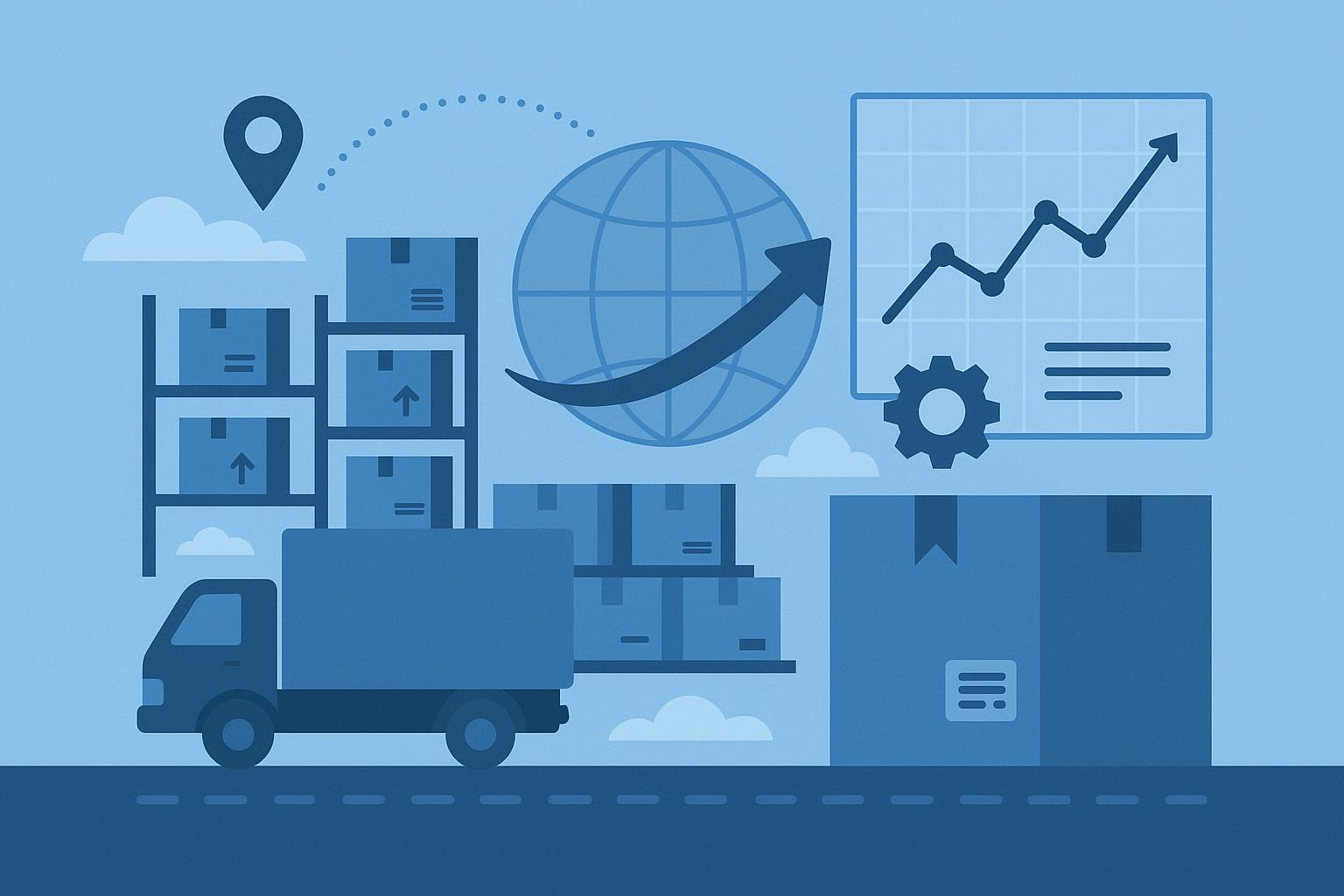
Modern supply chains are under constant pressure. Consumer expectations for faster delivery, global trade volatility, and unexpected disruptions such as extreme weather events all demand a logistics model that can adapt quickly. Rigid, one-size-fits-all distribution systems struggle to keep pace. In contrast, flexible 3pl logistics offers businesses a responsive framework that improves efficiency without sacrificing reliability.
The Role of Flexibility in Contemporary Logistics
Flexibility in logistics means the ability to adjust warehousing space, transport modes, and delivery schedules in response to real-time demand signals. Rather than locking a business into fixed contracts and static distribution networks, flexible providers offer modular services that scale with order volume, geographic reach, and seasonal patterns.
This adaptability is especially important in industries with irregular demand cycles—such as agriculture, construction materials, or promotional retail. A flexible 3PL can increase storage capacity during harvest or pre-sale periods, then reduce footprint when activity normalises.
Technology as an Enabler of Flexibility
Flexibility is not simply about having spare warehouse space. It depends on integrated technology platforms that provide end-to-end visibility. Cloud-based warehouse management systems, route optimisation algorithms, and automated inventory alerts allow providers and their clients to respond to changes within hours rather than days.
Data-driven flexibility also supports better decision-making. When a business can see which regions are generating demand spikes, which SKUs are moving slowly, and which carriers are meeting deadlines, it can reallocate resources proactively.
Efficiency Gains and Risk Mitigation
Flexible logistics models reduce waste in two critical areas: capital and time. Businesses avoid over-investing in underutilised infrastructure, while customers receive orders faster because distribution networks are optimised continuously rather than rebuilt periodically.
From a risk perspective, flexibility provides resilience. If one transport corridor is disrupted, a multi-modal 3PL can reroute freight through alternative channels. If a warehouse reaches capacity, overflow inventory can be shifted to partner facilities without interrupting fulfilment.
Conclusion
Efficiency in supply chain management is no longer measured solely by speed or cost per unit. It is measured by how well a system adapts to change. Flexible logistics solutions give businesses the operational agility to meet market demands while maintaining control and visibility across their network.
References: