




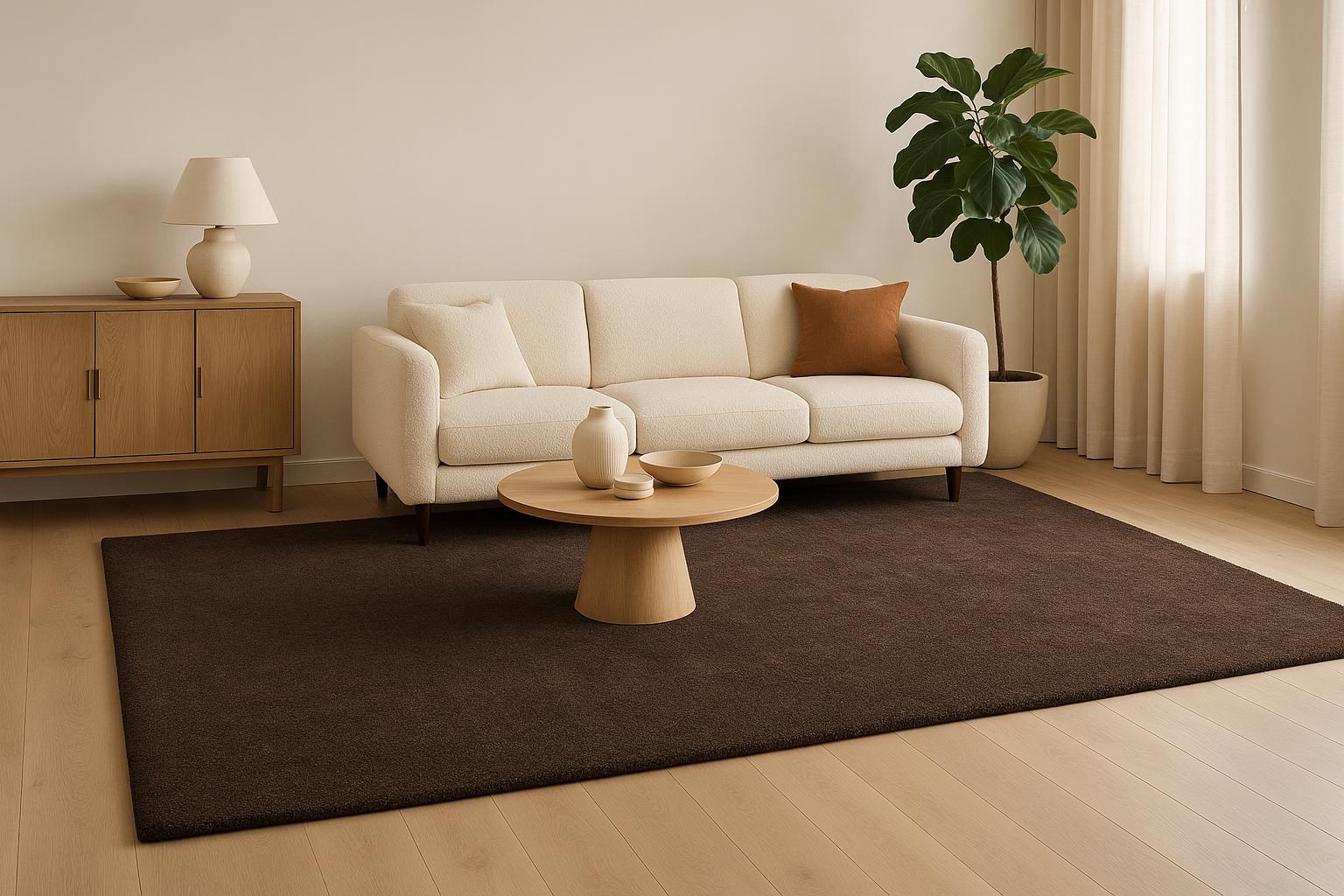
A living room can have all the right ingredients and still feel slightly unfinished. The sofa might be comfortable, the rug might be lovely, the lighting might be warm, and there might even be a few carefully chosen objects on the shelves, but if the centre of the room feels vague, the whole space can feel like it hasn’t quite landed. It’s usually not about needing more furniture; it’s about needing the right piece to pull everything together.
A coffee table often does that job better than people expect, especially when it has enough visual weight to hold the room without making it feel crowded. A black coffee table collection can be a useful place to start if the room needs contrast, structure or a stronger focal point, because black has a way of anchoring softer materials and making surrounding colours feel more deliberate.
Why the Centre of the Room Matters
Most living rooms are arranged around comfort. You choose the sofa first, then maybe the armchair, then the television or fireplace dictates the direction everyone faces. The coffee table can become an afterthought, chosen quickly because there’s a space in the middle and people need somewhere to put a drink. But because it sits at the centre of the room, it has a surprisingly strong influence on the way everything else feels.
A table that’s too small can make the seating look disconnected. One that’s too large can interrupt the flow of the room. A finish that’s too similar to everything around it might disappear, while something too decorative can fight with the rest of the space. The right coffee table sits somewhere in the middle: practical enough to use every day, but considered enough to make the room feel finished.
Black works well because it brings definition. In a room with pale upholstery, timber flooring, linen curtains or neutral walls, a black coffee table can create a clean point of contrast. It doesn’t need to look harsh, either. Rounded edges, textured finishes, timber grain, metal details or soft styling can all make black feel warm and approachable rather than severe.
Styling Without Making It Precious
The best coffee tables don’t look like they’ve been arranged for a photo and then declared off-limits. A living room still needs to work for real life, which means space for mugs, remotes, books, snacks, feet that probably shouldn’t be there but sometimes are, and whatever else a normal evening brings.
Styling helps, but it should leave room for use. A stack of books, a low bowl, a small vase or a candle can add personality without turning the table into an obstacle course. Trays are useful because they group smaller items together and make the surface easier to clear when needed. The aim is to create a table that looks intentional but doesn’t make everyone nervous.
Proportion matters here too. If the sofa is deep and generous, a delicate little table may feel lost. If the room is compact, a heavier piece might work better with slim legs or an open base so it doesn’t visually block the space. The shape should also suit the room’s movement. Round or oval tables can be helpful where people need to move around tight corners, while rectangular designs often suit longer sofas.
Creating a Room That Feels Resolved
A grounded living room doesn’t need to be dramatic. Often, it just needs one strong central element that gives the rest of the furniture something to relate to. Once that piece is in place, the rug, cushions, lighting and artwork can all start to feel more connected.
The Small Table With a Big Design Job
A coffee table might seem like a supporting player, but it can completely change the balance of a living room. Choose well, and it becomes more than a surface for everyday things; it becomes the piece that makes the whole space feel calm, cohesive and properly finished.