




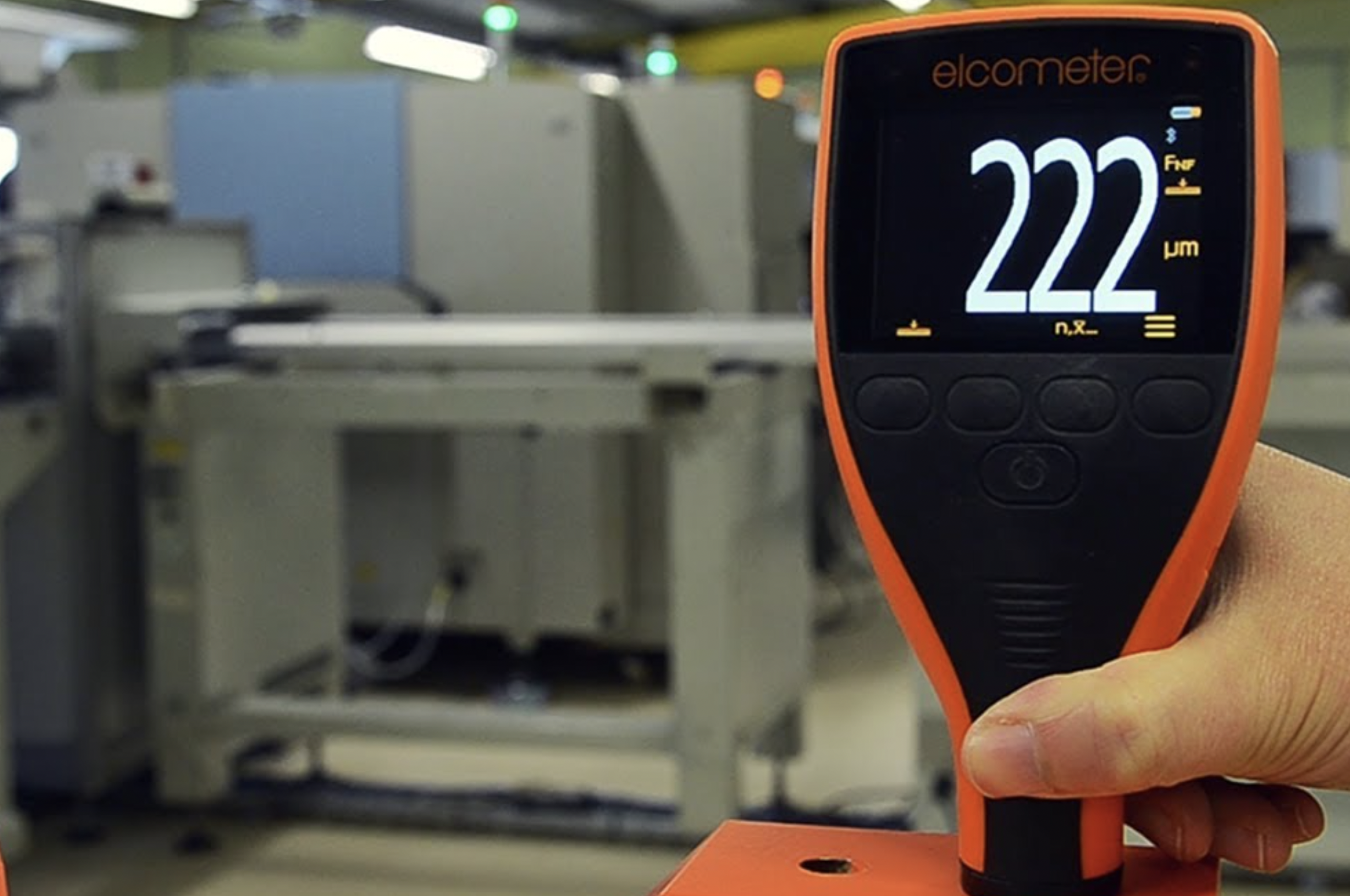
Thickness gauges are measuring instruments that determine a material’s thickness. These gauges are available in different types, and each has a slightly different function than the other. The below article will discuss all you should know about thickness gauges, including their main types.
An ultrasonic thickness gauge is accurate, and you can find it for an affordable price.
Types of Thickness Gauges
The name thickness gauges have different meanings and can refer to any of the following;
- Material thickness gauges
- Coating thickness gauges
- Sheet metal thickness gauges.
Material thickness gauges use mechanical means to measure material thickness, while coating gauges measure a coating’s thickness when applied to a surface. Below we discuss the different types of thickness gauges;
1. Material Thickness Gauges
Material thickness gauges are used where both material sides can be assessed easily. These instruments are divided into the following categories;
Mechanical gauges
The mechanical thickness gauges entail a jaw with a lever and handle. The pins close after the lever is released, and the analog dial records the thickness value. Having the pins close ensures consistency since the instrument has an equal measuring pressure.
Contact pin edges are radiused to prevent pin compression from marking the surface.
Digital gauges
Digital or electronic gauges have the exact role as mechanical gauges but instead, have a needle display. Users can view the thickness value by checking the digital readout.
Pocket-sized gauges
Pocket-sized gauges are the smaller versions of digital gauges. Here, users hold the instrument between their index finger and thumb, and these units perform quick checks on materials like film or paper.
2. Coating Thickness Gauges
It is essential to measure a material’s thickness by applying it to another surface, like a coating applied to a pipe. Material thickness does not suffice in such instances because only one coating side is available.
Coating thickness gauges occur in two types, and there are also wet coatings that measure a coating’s thickness before it gets cured.
3. Ultrasonic Thickness Gauges
Ultrasonic thickness gauges entail an ultrasonic transducer that emits a sound pulse into the coating. The boundary between the substrate and coating bottom creates a reflection, sending a pulse to the transducer.
This strategy works on different materials like plastics and metals, and its main advantages are;
- It is easy to use
- It has rapid results
- It is non-destructive
- It needs only one side of the material.
4. Calibration
Material thickness gauges need calibration to ensure the device provides and maintains correct values. For example, the sound energy speed depends on the propagated material in ultrasonic gauges.
Material thickness gauges are sold with calibration blocks that calibrate the gauge by putting a known material between caliper arms and contact pins.
Sheet and wire metal gauges are templates with cut slots and holes. These devices let users access the gauge number easily and read the gauge numbers.
Final Thoughts
Thickness gauges are instruments that measure a material’s thickness. They are available in many types, and the above article has discussed some. Kindly reach out for more information.