




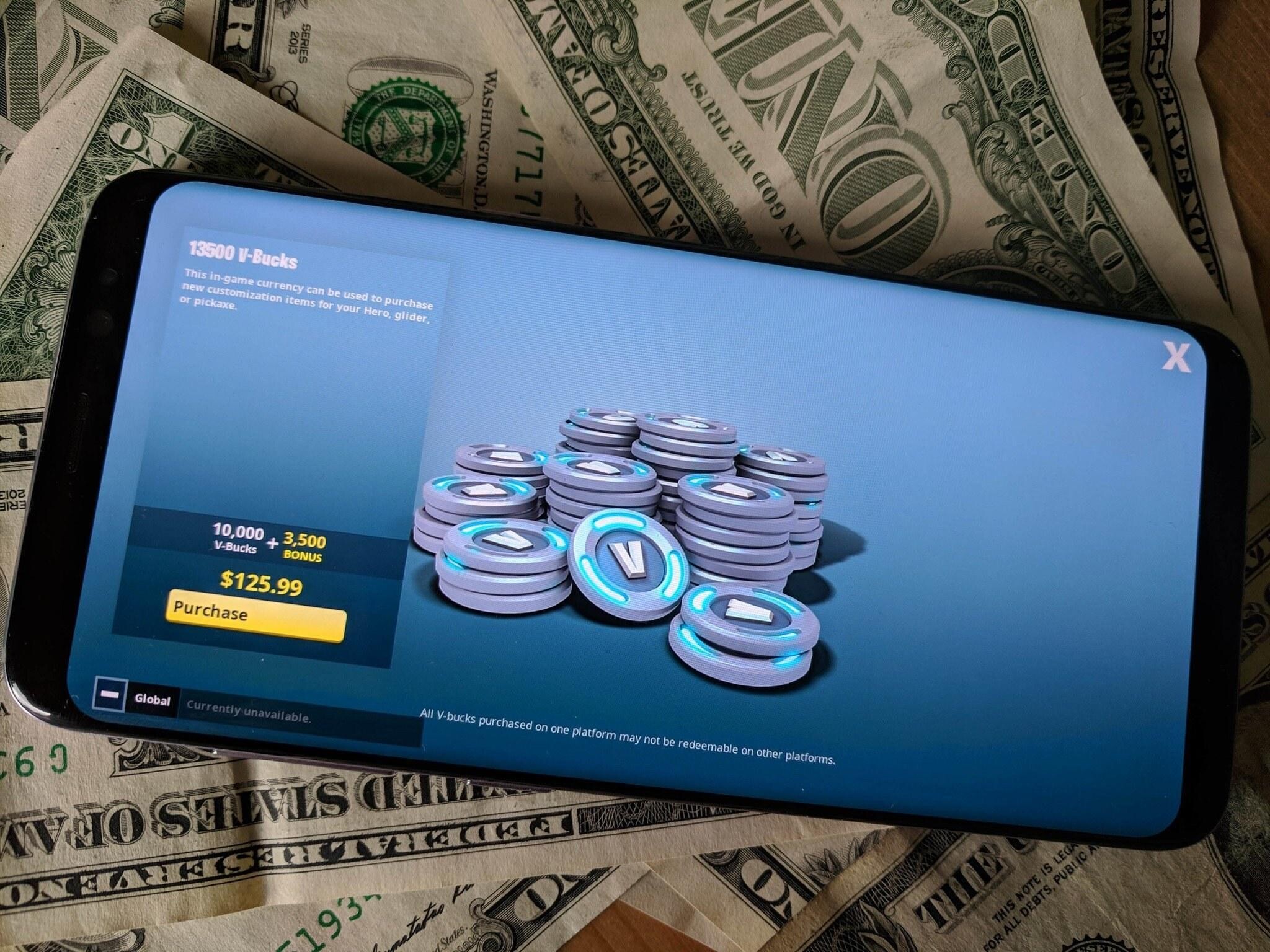
A $9.99 skin bought three times a week is just over $1,500 a year. Nobody sits down and decides to spend money on games at that rate. It happens in $4.99 slices, between matches, on a phone. An Addictive Behaviors study of 955 players aged 18 to 94 found that some players screened as at risk of gaming disorder, and that group had six to nine times the odds of overspending on video games, with the heaviest overspending concentrated among players under 40. These are five habits that let you keep spending money on games without the monthly statement ruining your week.
Why Gaming Spending Gets Away From You
Almost nothing in a modern store is priced in real money. It is priced in Robux, V-Bucks or Valorant Points, and the packs never divide neatly into the items. Buy the 2,400 V-Bucks pack, spend 2,000 on a skin, and the 400 left over buys nothing but a nagging urge to top up again. That stranded balance is deliberate, the monetization working exactly as drawn. Mobile makes it worse, because buying currency inside an iOS or Android app returns less than buying the same amount through a browser once the app store takes its cut.
Then comes the psychological layer. Item shops put a rotating clock on virtual items so you buy now and evaluate later. Battle passes convert a one-off purchase into a recurring one. Loot boxes borrow the reward schedule of a slot machine, which is why people who would never gamble in a casino will happily roll for a rare drop. And nothing drains an account faster than four friends in voice chat agreeing the new Fortnite bundle looks clean.
Habit 1: Give Gaming Its Own Line in the Monthly Budget
Decide the number before you open the store, not while you are looking at it. Pick a fixed monthly gaming allowance, write it down, and fund it only from discretionary money. Never from bill money, never from savings. That is the single red line addiction services agree on, and it is also the difference between a hobby expense and a problem.
Five percent of take-home pay is a sane rule of thumb for an adult with no debt, less if you carry any. The point is that the figure is yours and fixed, so in-game purchases stop competing with rent for attention. Basic money management skills apply here exactly as they do to eating out: a capped amount you spend guilt-free beats an uncapped amount you feel bad about.
Count the Subscriptions Before the Skins

Recurring charges eat the budget first, so tally them first. Game Pass, PS Plus, Nintendo Switch Online, any premium mobile pass that renews on its own. Add the monthly total, subtract it from your allowance, and whatever survives on each platform is your actual free-spend money for skins and games.
Habit 2: Track Every Transaction for a Month, From Steam to Roblox

Guessing your spend is how the problem stays invisible. Pull the receipts instead, which takes about ten minutes. On Steam, open Account details and click through to purchase history under Store and Purchase History. PlayStation, Xbox and the Nintendo eShop all keep transaction lists in account settings. On mobile, use Google Play order history or your App Store purchase history. Roblox players need a browser rather than the app: the transactions page shows currency purchases and spending separately.
Total the lines under $10 in their own column. Micro charges are where overspending hides, because a $4.99 top-up never feels like a decision and thirty of them never get counted. Keep track in a one-line spreadsheet or give your budgeting app a gaming category and let it monitor the payment feed for you. One full month of honest numbers persuades people that no argument can.
Habit 3: Put a Shield Between Your Wallet and the Buy Button
A saved card turns a purchase into a single click, which is the entire design goal. Break that. Delete stored payment methods from every storefront and retype the digits when you genuinely mean it. Better still, fund a platform wallet with prepaid gift cards so the balance itself is a hard ceiling; when it hits zero, the store simply stops working. If a credit card is linked anywhere, swap it for a debit card so you cannot spend money you do not have yet.
Then turn the storefront’s own tools against impulse. Require a password or passkey for every purchase rather than trusting a cached login, and switch on payment notifications so each charge lands on your phone in real time. Android and iOS both let you demand authentication per transaction. Households with teens should use the family spending controls: PlayStation’s monthly cap for child accounts defaults to zero and resets on the first of the month, Xbox has an equivalent and Nintendo lets you block eShop purchases outright. A teen with a set limit learns the same lesson adults are relearning here.
Habit 4: Sit on the Urge for 24 Hours
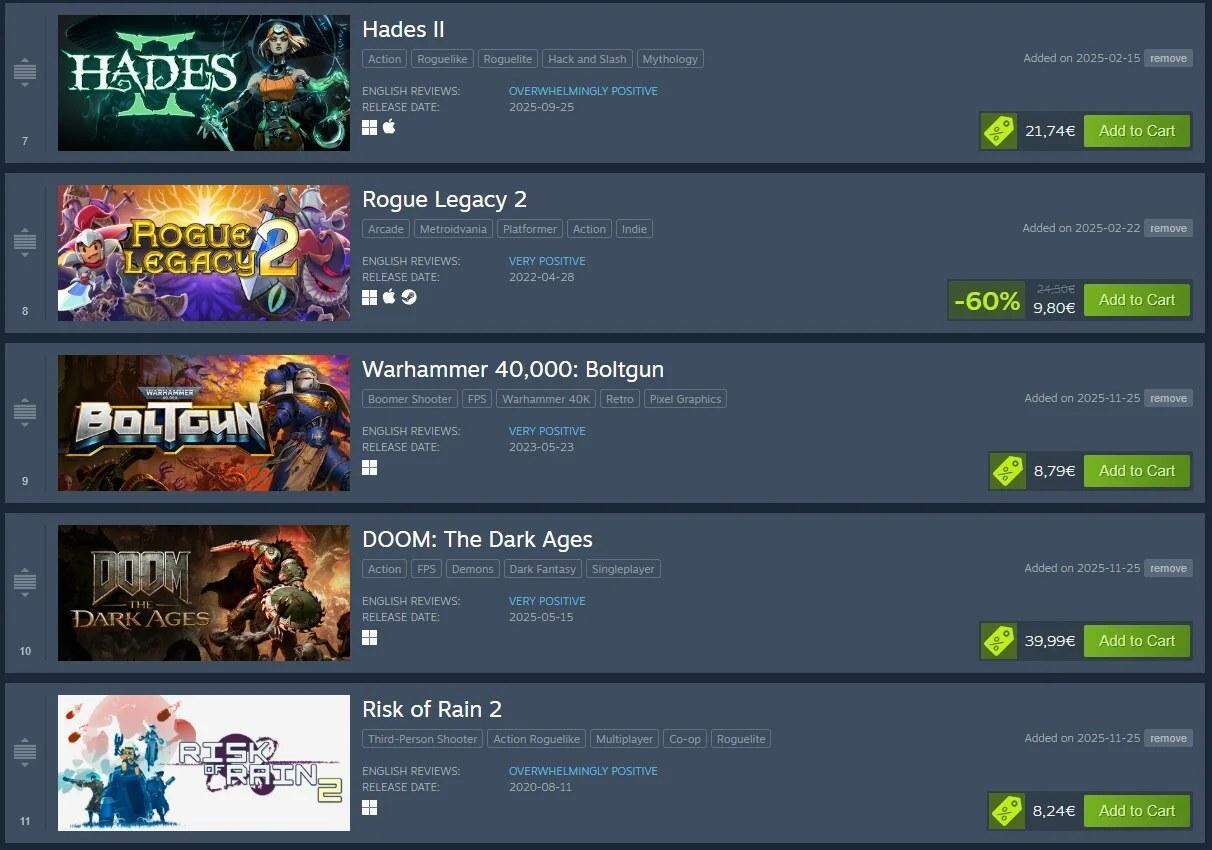
Put a mandatory day between wanting something and buying it. Most impulse purchases do not survive the wait, which tells you what they were worth. Wishlist the game instead and let a price alert do the work, because day-one full price on a title you will start in three months is a donation. Unsubscribe from storefront and publisher marketing emails while you are at it; you cannot want what you never saw.
Ask one question during the cooldown: does the free content in this particular game already cover it? Free-to-play games ship enormous amounts of playable material precisely so the shop looks optional, and it often is. Currency-driven titles are the exception worth pricing out. In a game like Dofus, where kamas gate most of the gear, players who have already decided to buy tend to compare their options among third-party marketplaces where CoC accounts are traded between players rather than buying on reflex. And remember the trap: a sale is only a saving if you wanted the game before it went on sale.
Habit 5: Judge Purchases by Cost Per Hour, Not by Hype
Every budget guide tells you to cap the total. None of them give you a way to judge a single purchase, so use this one: divide the price by hours you will realistically play. A $70 game you finish over 60 hours costs about $1.17 an hour, which is cheaper than a cinema ticket and better company. A $20 cosmetic worn across 40 matches you were going to play anyway costs real money and adds zero play time. Neither number is a verdict, but one of them is clearly an investment in playing the game and the other is decoration.
Run the same maths on subscriptions once a month and cancel anything above the threshold you set. Cost per hour also explains why some players treat a ready-built base as a straight purchase of time: a Clash of Clans account from a third-party marketplace buys the upgrade timers you would otherwise wait through for a year. Whether that is worth it is a long-term judgement about your hours, not a reason to go overboard on gems.
When In-Game Spending Turns Into Video Game Addiction

The line is not the size of the number, it is where the money comes from and what you hide. Rent or savings money going on in-game currency crosses it. So does chasing a bad loot box run with a bigger one, funding purchases on credit, hiding transactions from a partner or parent, and lying about the total. Excessive spending of that kind usually travels with the rest of video game addiction: lost sleep and the health effects that follow, negative consequences at work, real life obligations sliding. Recreational use becomes hazardous when you cannot stop after deciding to.
The next steps are unglamorous and they work. Set a platform spending cap or self-exclude, delete the game or the account if one title is doing the damage, and talk to a counsellor or a gaming addiction coach. If purchases went on credit, add a debt counsellor, because the compulsive habit and the balance are two separate problems.
Keep the Hobby, Lose the Regret

None of these five habits require quitting, and they stack: the budget sets the ceiling, tracking shows the truth, friction slows the click, the cooldown kills the impulse, and cost per hour settles the argument. Start with tracking this week. Pull one month of receipts, total the small lines, and the number will do the persuading for you.