





Maintaining a consistent visual identity across digital platforms requires a highly structured operational framework. Marketing teams frequently experience friction when transitioning from conceptualization to actual asset production. The primary bottleneck stems from disjointed communication between strategists and creators, leading to drafts that miss the core objective. Under tight deadlines, relying solely on manual drafting forces teams to compromise on output volume or aesthetic quality.
Industry guides often suggest hiring freelance support or relying on rigid templates that quickly cause visual fatigue. However, expanding a team without fixing underlying processes scales inefficiency, while templates limit creative flexibility. Modern production teams require reliable rapid prototyping to bridge the gap between text briefs and final designs. Integrating a targeted conceptualization tool early on—such as utilizing Nano Banana Pro to establish initial visual directions—provides an objective foundation for creative discussions. Systemic improvements ultimately reduce expensive revision cycles.
Identifying Bottlenecks in Current Asset Generation Processes
Building a resilient production pipeline begins with a thorough workflow audit to pinpoint where delays occur. The most significant time loss typically happens during the interpretation of creative briefs. Strategists often provide abstract concepts, leaving visual creators to guess the stylistic nuances required. This lack of concrete visual alignment before drafting inevitably leads to extensive and costly revisions.
To diagnose inefficiencies, teams should track the average revision rounds required per visual asset. If standard graphics consistently need over three structural changes, the preliminary alignment phase requires immediate intervention. Analyzing the nature of the feedback—whether it highlights major compositional errors or minor color issues—reveals if the core problem lies in initial conceptualization or final production polishing.
Addressing these issues requires shifting from subjective aesthetic debates to criteria-based evaluations. Leaders must implement pre-production alignment meetings where abstract ideas are immediately translated into tangible visual references. Requiring teams to formally agree on structural layouts before manual rendering begins effectively eliminates the most time-consuming revisions: those necessitating a complete restart.
Structuring the Pre-Production and Concept Approval Stages
A robust pre-production phase acts as the central nervous system of high-volume content operations, filtering out misaligned ideas before they consume creative resources. This stage must mandate comprehensive visual briefs that go beyond basic copy and dimensions. An effective brief includes specific references for color grading, lighting styles, spatial composition, and emotional resonance.
Implementing a concept approval gateway ensures no heavy production commences without explicit stakeholder sign-off on the foundational direction. This gateway requires presenting preliminary wireframes that articulate the intended aesthetic. Stakeholders must be trained to provide feedback exclusively on structural elements rather than requesting premature polish, preventing scope creep and ensuring alignment.
Standardizing the format of visual briefs across departments significantly reduces cognitive load. When projects utilize the same documentation, team members can quickly locate specifications without parsing through scattered emails. This uniformity accelerates contractor onboarding, allowing them to integrate seamlessly into the production cycle from day one.
Standardizing the Asset Generation and Refinement Cycle
Once the conceptual foundation is established, visual asset generation must follow a predictable sequence. This structured approach prevents the production phase from becoming an ad-hoc scramble and ensures consistent quality control.
- Establish Clear Visual Parameters and Constraints
Before initiating design work, the lead creator must translate the approved brief into unyielding technical parameters. This step involves defining aspect ratios, required resolutions, and foundational color profiles. Establishing hard constraints upfront eliminates downstream technical errors and guarantees assets function perfectly across platforms without emergency reformatting.
- Execute the Initial Concept Generation Phase
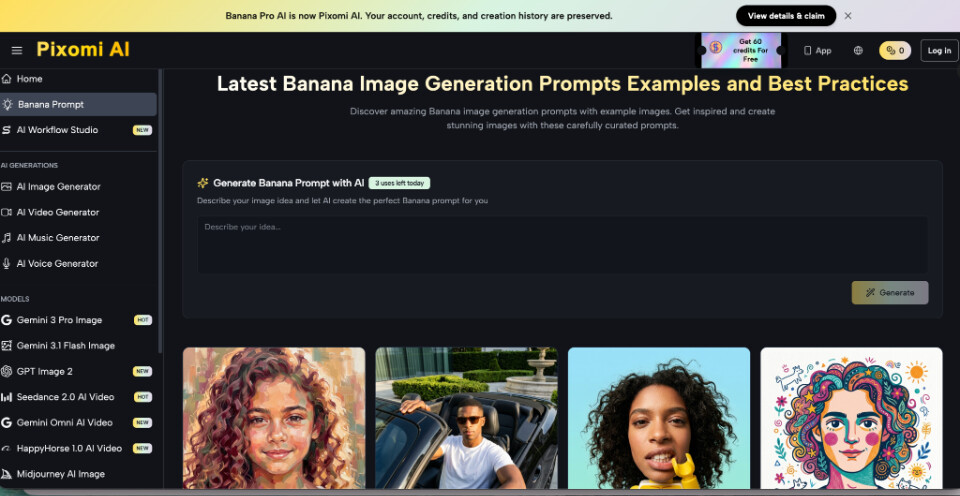
With parameters locked, the team generates foundational visual concepts. When testing thematic directions, you must input specific descriptive elements and style constraints into your workflow. Deploying Nano Banana Pro allows creators to rapidly generate multiple structural variations based on those precise inputs, enabling teams to evaluate composition before committing to detailed rendering.
- Validate Output Against Brand Consistency Metrics
The final step is evaluating generated concepts against predefined brand guidelines. Reviewers must confirm the asset adheres to authorized color palettes, contrast ratios, and established brand voice. Any asset failing these metric checks must be returned for targeted adjustments before advancing, ensuring all published content remains strictly on-brand.
Integrating Feedback Loops for Continuous Quality Improvement
A scalable workflow is never static; it requires continuous refinement based on structured performance data. The most common failure point in mature marketing teams is the inability to implement lessons from previous campaigns. To combat this, organizations must establish a formalized retrospective process after major projects, focusing exclusively on process efficiency rather than creative merit.
Capturing operational data allows leaders to identify recurring bottlenecks and adjust workflows accordingly. If data reveals delays during final stakeholder approval, the team may need earlier, more rigorous check-ins. Conversely, if assets are rejected for technical non-compliance, initial parameter-setting procedures require tightening. This approach removes emotion from process optimization.
Maintaining an accessible repository of approved assets and corresponding briefs serves as a vital resource. This centralized library facilitates reusing successful visual elements and provides a reference point for onboarding. By updating this repository with final outputs and strategic reasoning, the team builds a knowledge base that elevates the quality of subsequent production.
Sustaining Output Quality Through Structured Production Systems
Building a scalable visual content pipeline requires replacing subjective practices with objective, repeatable processes. By identifying bottlenecks, enforcing pre-production alignment, and standardizing the generation cycle, marketing departments can increase overall output without sacrificing fidelity. The true measure of a successful framework is its ability to consistently produce brand-compliant assets regardless of which individuals are driving the creative project.
Implementing structural workflow changes requires ongoing discipline and a willingness to confront operational inefficiencies. As the demand for cross-platform digital content accelerates, teams relying on structured systems and objective validation metrics will outperform those dependent on creative stamina. Cultivating a process-oriented mindset ensures valuable energy is spent on strategic innovation rather than navigating entirely preventable logistical hurdles.