





Prep tape fails service when a restyle invents a second allergen line, because the expo ticket already named sesame and nothing else. Leads who photograph a smeared sixth-pan label before the dinner turn often run an Image to Image pass to lift a wet thumbprint, hoping the use-by time stays 18:00 while the tape looks less tired. The printed ticket is already the judge. A cleaner strip cannot add “nuts” because the render thought a longer warning looked more complete.
Label rolls used to absorb that problem by walking back to the ticket printer and peeling a new strip onto the pan. That cost a queue at the printer and a cold pan on the rail, and it still failed if the ticket had already been bumped. Cleaning the thumbprint in a workspace is cheaper only while the allergen line and the 18:00 stamp stay exactly as the ticket wrote them. The playbook question is not whether a model can make tape look new. The question is whether a one-zone edit can touch the smear without writing a second warning the pass will then serve.
An Extra Allergen Line Fails The Pass
A kitchen label is a safety strip, not a menu graphic. “Contains sesame” tells the pass what the ticket already promised the diner. If a cleanup paints “contains sesame and nuts” because a longer line fills the tape, the next plate is already a different dish. The walk-back from table 12 does not come with a taste debate. The afternoon spent lifting a thumbprint does not come back, and the incident report will quote the extra word, not the prettier tape.
Use-by times fail in the same quiet way. 18:00 is the fire time the prep lead wrote when the batch left the walk-in. A cleaner restyle that slides the stamp to 19:00 because a later hour “looks safer” is another batch. Another batch on a live rail is another ticket. Runners who already matched 18:00 to the expo chit will see the swap first, and they will not give the restyle credit for richer plastic.
The Old Reprint Queue Costs A Service
The old path is honest and slow. Someone walks to the printer, waits for the next chit, peels a new strip, and walks back while the sixth pan sits without a name. On a Friday turn that walk is ten minutes you do not have, because the next ticket is already on the board. The smear is still on the old tape in the bin. The new tape is clean because it was never photographed.
The printer itself adds a second wait that people forget when they talk about “just reprinting.” The chit has to clear, the strip has to stick on a cold pan, and the runner has to see the name from the rail, not from a phone. If the new strip goes on crooked, the pass still asks what is in the pan. That is why a photographed smear looks tempting. The phone is already in the lead’s hand. The rail is already full.
That queue is the cost the workspace is supposed to cut. It only cuts the cost if the new file still matches the ticket. If the file invents nuts, the lead has to walk to the printer anyway, and they have also spent the generation on a strip they cannot serve. Two walks is worse than one. The old queue at least produced a true label, and the incident report would have nothing extra to quote.
One Zone On Qwen Image Edit
Qwen Image Edit is the precise-edit model on the workspace, and that is the useful mechanism for prep tape. The job is one zone: the wet thumbprint beside the allergen line. The rest of the strip is already correct. A catalog sentence that also asks for “clearer type and a more official kitchen look” gives the model a license to walk the stamp. Official is how 19:00 arrives. Clearer type is how a second allergen appears.
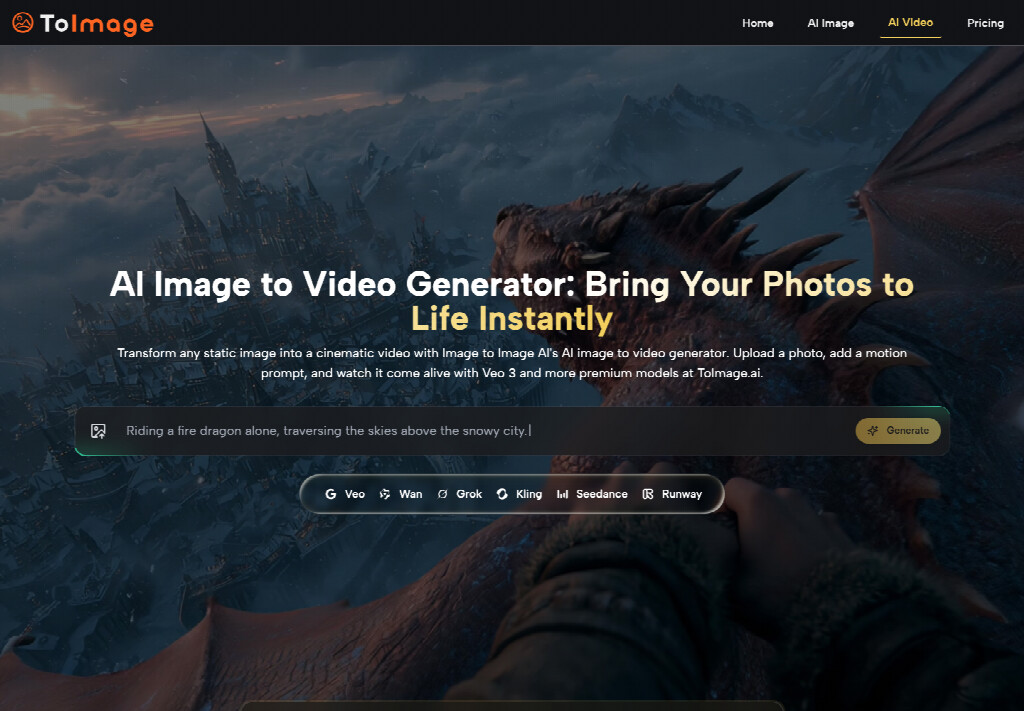
ToImage AI earns a place on the prep counter here because the flow is short enough to run between tickets. Upload the source. Describe the smear. Pick the precise-edit model. Generate. The ticket stays on the rail while that happens. If the phrase turns into a paragraph about a magazine kitchen, the file will look finished and still be a different dish.
Name Only The Smudge Beside The Allergen
Write the stay list in ordinary words. Sesame stays. 18:00 stays. The pan number stays. The thumbprint leaves. That is the whole brief. If the same sentence also asks for a cleaner font, stop and delete the font wish. Font wishes are how “nuts” arrives. An Image to Image AI pass holds when the zone is the smear and nothing else.
If the allergen line is already soft in the source, do not ask the model to invent a sharper warning. Walk back to the ticket. Photograph the strip again under the pass light. Invented sharpness on an allergen line is how a second protein enters the plate.
Five Checks Before The Tape Leaves Prep
The numbered list is the whole point of this playbook. Do not generate until you can answer all five. If any answer is no, walk to the printer. The workspace is a smear tool. It is not a second recipe. The checks earn their keep when a lead can run them between two tickets, not when they sound like a studio brief.
- The allergen line still says only what the ticket says.
- The use-by stamp still matches the fire time on the chit.
- The pan number still matches the rail slot.
- The phrase names one smear and does not mention type, glow, or a safer kitchen.
- The PNG sits next to the printed ticket and someone reads both out loud.
Check three exists because a pretty strip on the wrong pan is still a wrong dish. Pan 6 can look centered in a square crop and still belong on the rail as pan 6. Check four exists because “safer kitchen” is how a second protein arrives. Those five checks take less time than a walk-back from table 12. Skip check five and the other four become decoration. ToImage AI will still generate if you skip them. The pass will still serve whatever the tape now claims.
Read The Five Checks In Ticket Order
Read the ticket first, then the tape, then the render. That order matters because the ticket is the diner promise. If you read the render first, the prettier strip will talk you into a later hour. Hold the chit in the same hand as the phone. Say “sesame” and “18:00” before you tap generate a second time. If a fourth word appears, discard the file. Do not stack a second wish to “fix” the extra word. Go back to the source and keep only the smear removal.
A Moved Use-By Date Kills The Ticket
Health desks do not argue about plastic sheen. They argue about the hour the batch was supposed to die. A moved use-by is a new batch, and a new batch needs a new ticket. Shipping the drifted file “just for the rail photo” still puts the wrong hour in front of a runner who will plate it. The incident write-up costs more than the thumbprint ever did. A later hour can even look responsible on a phone, which is why the chit has to stay in the same hand as the render.
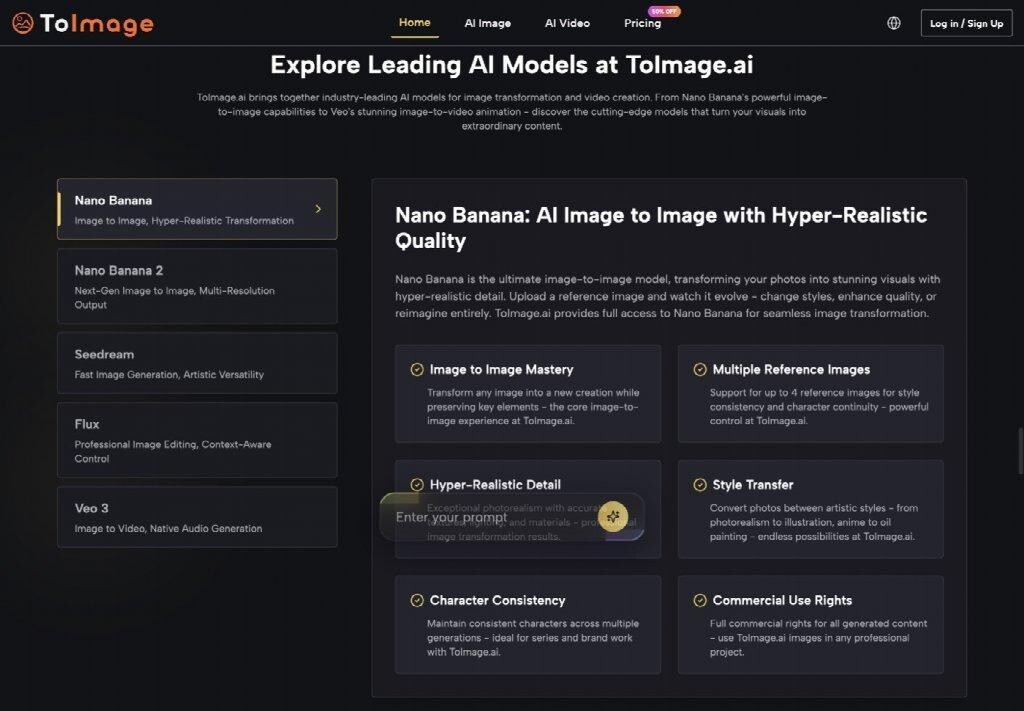
The same kill shows up when a pan number gets a friendlier digit. Pan 6 on a rail that still has the ticket for pan 6 cannot become pan 8 because eight looked more centered. Wrong pan is a wrong dish. Wrong dishes do not share a ticket without a void. If the rail already has a true pan 8 with a different allergen, the invented 8 is now a collision, not a cleaner crop.
Service Is Already Moving Down The Line
Expo tickets keep moving while the smear file is still open, which is why the five checks have to fit between fires. A catalog-essay brief can keep the hero kitchen. A live pass cannot. A clean strip that fails sesame is worse than a smeared strip that still matches the chit.
Walk to the printer when the line is unreadable. Photograph again when the stamp is soft. Use ToImage AI when the stay list is three facts and the zone is one smear. The lead still reads the ticket after the thumbprint is gone. ToImage AI stays on the counter only while that ticket still matches the tape.