




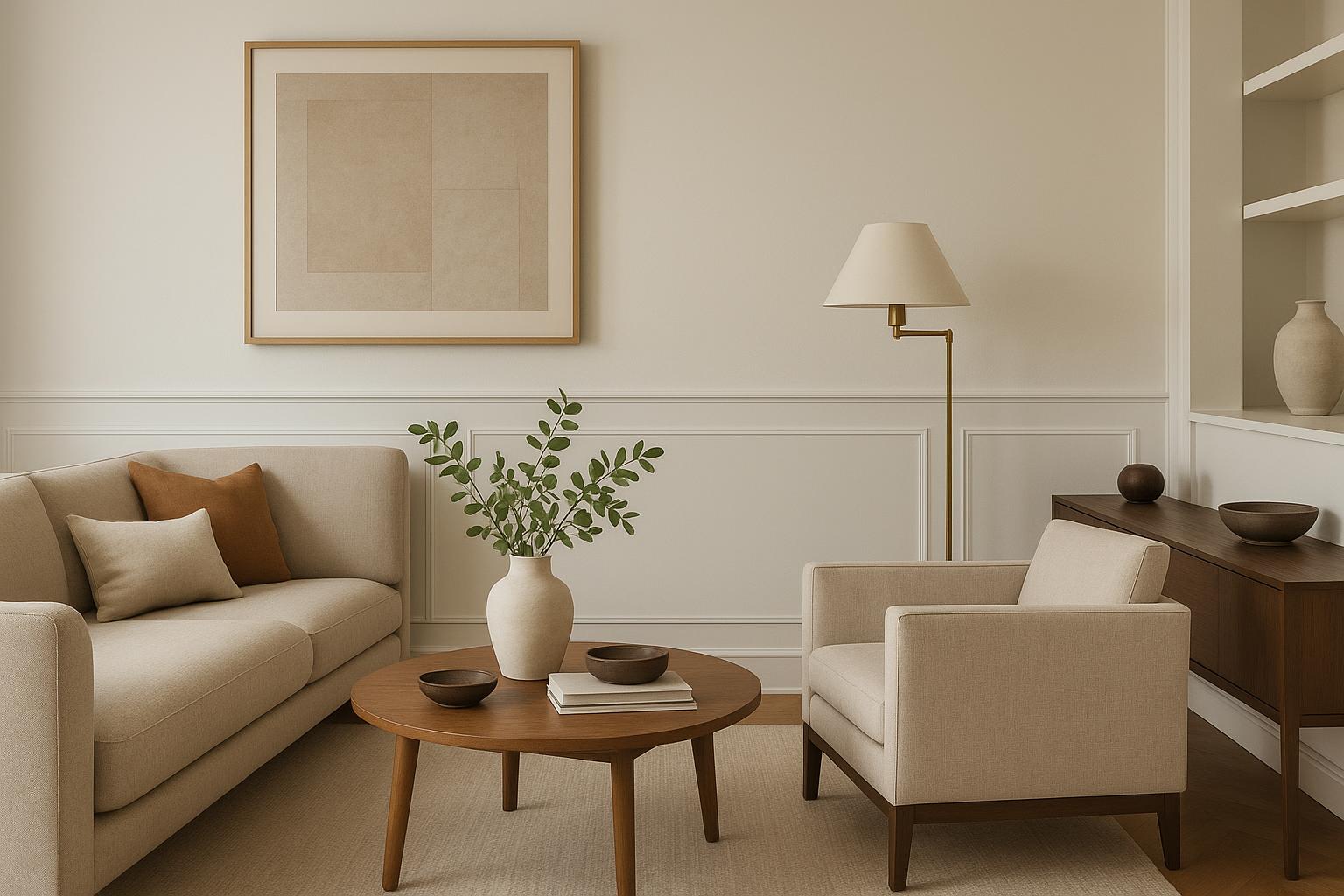
Some homes feel calm the moment you walk in. Not because they’re huge, expensive or styled within an inch of their lives, but because the details seem to belong together. The furniture feels considered, the lighting sits at the right level, the colours have a quiet relationship with one another, and nothing looks like it was bought in a panic just to fill an empty corner. A grown-up home doesn’t need to be formal, but it does need to feel intentional.
That’s where professional interior design for a more refined home can make a real difference, especially when you know what you like but can’t quite pull it into a complete picture. Most people have a few good ideas, a saved folder full of inspiration, and maybe one or two pieces they love, but turning those fragments into rooms that feel cohesive is a very different skill.
Refinement Isn’t the Same as Perfection
A refined home doesn’t mean every cushion is karate-chopped, every surface is bare, and nobody’s allowed to leave a coffee cup on the table. That kind of perfection can feel cold pretty quickly. Real refinement is more relaxed than that. It’s about choosing pieces that suit the space, editing out what doesn’t work, and creating a home that feels comfortable without looking accidental.
Often, the most effective design choices are the quiet ones. A sofa with the right proportions. Curtains that actually reach the floor. A rug large enough to hold the room together. Warm lighting instead of harsh overhead glare. These things might not scream for attention, but when they’re wrong, you feel it. When they’re right, the whole room settles.
Colour is another area where subtlety can do a lot of heavy lifting. Many people either play it too safe and end up with a space that feels flat, or go too bold without a clear plan and find the room becomes tiring to live in. A considered palette doesn’t have to be bland; it just needs balance, with enough contrast and texture to keep things interesting.
The Home Should Suit the People Living In It
Good design isn’t about making your home look like someone else’s photo shoot. It should support the way you actually live. A beautiful dining room that never gets used, a white sofa that makes everyone nervous, or storage that looks elegant but doesn’t hold anything useful will eventually become frustrating, no matter how nice it looked on day one.
The best interiors find a middle ground between practicality and atmosphere. They allow for real life, while still making everyday moments feel better. Reading in the lounge, cooking dinner, getting ready in the morning, having friends over, or sitting quietly at the end of the day all become more enjoyable when the space works with you rather than against you.
Texture helps here too. Timber, linen, stone, wool, ceramic, leather and soft upholstery can bring warmth into a room without needing too much decoration. Instead of filling every surface with objects, the materials themselves create depth.
Why Outside Eyes Can Help
It’s hard to see your own home clearly when you’ve lived in it for a while. You get used to the awkward layout, the chair that doesn’t quite fit, the lighting that makes the room feel smaller, or the blank wall you stopped noticing two years ago. A fresh perspective can help identify what’s holding the space back and what’s already working beautifully.
A Home That Feels Pulled Together, Not Overdone
The goal isn’t to create a house that feels untouchable. It’s to create one that feels thoughtful, comfortable and quietly confident. When the right pieces, colours and textures come together, a home starts to feel less like a collection of separate decisions and more like a place with its own rhythm, which is often what makes it feel truly grown-up.