




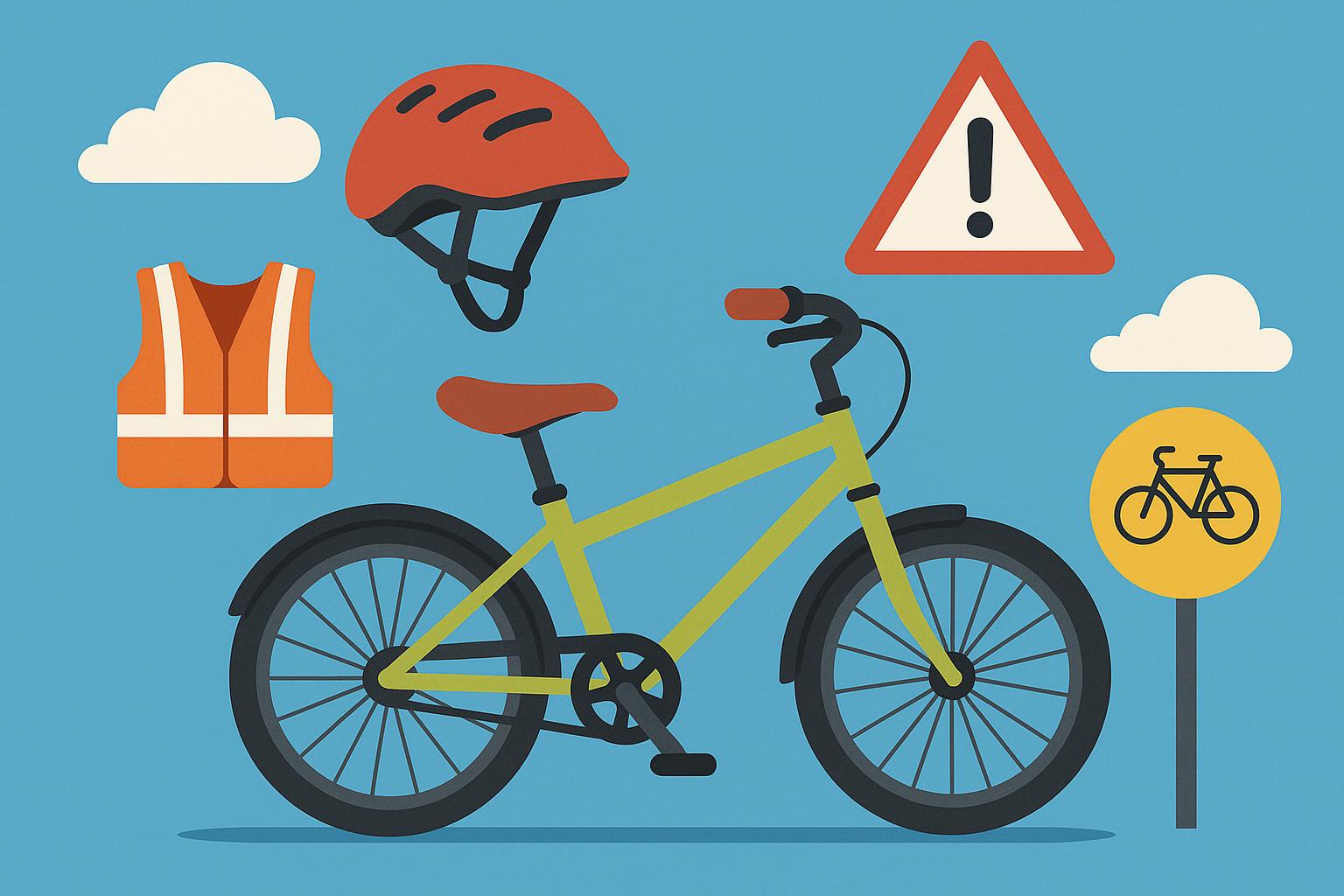
Riding a bicycle is one of the most enjoyable and important activities for children. A well-chosen cycle for kids helps children learn balance, coordination, and independence while also improving their physical health. However, safety is always the most important factor that parents should focus on before allowing their child to ride a bicycle alone.
A girls cycle or any kids’ bicycle can be fun and exciting, but without proper safety measures, it can also lead to accidents or injuries. That is why teaching children safety rules from the beginning is essential. Cycling should always be a safe and enjoyable experience, not a risky activity.
In today’s busy world, children often ride bicycles in parks, streets, or school routes. Parents must ensure they understand basic safety guidelines and follow them strictly. With proper guidance, cycling becomes a lifelong healthy habit.
Why Safety is Important for Kids While Cycling
Children are naturally energetic and sometimes careless while playing or riding. This makes them more vulnerable to accidents. Unlike adults, they may not fully understand traffic rules or danger signals.
Safety education helps children:
- Avoid accidents and injuries
- Build confidence while riding
- Understand traffic awareness
- Develop responsible habits
- Enjoy cycling without fear
Teaching safety early ensures that cycling remains a positive experience.
Choosing the Right Cycle for Safety
The first step in ensuring safety is selecting the correct bicycle. A properly sized bike is easier to control and reduces the risk of falling.
Correct Size Matters
A cycle that is too big or too small can be difficult to handle. Children should be able to touch the ground with their feet while sitting.
Lightweight Frame
A lightweight bicycle is easier for kids to control and balance, especially for beginners.
Strong Brakes
Good braking systems help children stop quickly when needed.
Stable Design
Bicycles with training wheels or balanced frames are ideal for beginners.
Essential Safety Gear for Kids
Safety gear plays a major role in preventing injuries.
Helmet
A helmet is the most important safety accessory. It protects the head during falls or collisions.
Knee and Elbow Pads
These protect joints from scratches and injuries during accidents.
Gloves
Gloves help improve grip and protect hands during falls.
Reflective Clothing
Bright or reflective clothing makes children visible to others, especially during low light conditions.
Teaching Basic Cycling Rules
Children must learn basic rules before riding on roads or public areas.
Look Before Crossing
Always check both sides before crossing roads or turns.
Stay on Safe Paths
Children should ride in parks or designated cycling areas instead of busy roads.
Follow Traffic Signals
Even young riders should understand traffic lights and signals.
Avoid Sudden Movements
Sharp turns or sudden stops can lead to accidents.
Importance of Supervision
Parents should supervise children until they become confident riders. Supervision helps in:
- Correcting mistakes early
- Ensuring safe practice areas
- Building confidence gradually
- Preventing risky behavior
Even after learning, younger children should not ride alone in traffic areas.
Safe Practice Areas for Kids
Choosing the right place for practice is very important.
Parks
Parks are the safest places for beginners due to low traffic.
Empty Grounds
Open spaces help children practice balance and control freely.
Dedicated Cycle Tracks
If available, cycle tracks are the safest option for regular riding.
Common Mistakes Kids Should Avoid
Riding Without Helmet
This is one of the most dangerous mistakes.
Riding in Traffic
Children should avoid busy roads until they are experienced.
Over-Speeding
Fast riding reduces control and increases risk.
Ignoring Signals
Ignoring basic rules can lead to accidents.
How Parents Can Improve Safety Awareness
Parents play a very important role in developing safe cycling habits.
Teach by Example
Children learn quickly by observing their parents.
Practice Together
Riding together helps build confidence and safety awareness.
Set Rules
Clear rules like “no cycling on main roads” should be established.
Encourage Communication
Children should feel comfortable asking questions about safety.
Benefits of Safe Cycling for Kids
Safe cycling offers many long-term benefits.
Physical Health
Cycling improves stamina, strength, and overall fitness.
Mental Development
It helps children develop focus, confidence, and decision-making skills.
Independence
Safe cycling builds independence and responsibility.
Social Skills
Riding with friends improves communication and teamwork.
Weather and Environmental Safety Tips
Avoid Cycling in Rain
Wet roads increase the risk of slipping.
Use Lights in Low Visibility
Lights or reflectors help others see the rider.
Avoid Extreme Heat
Children should avoid cycling in very hot weather to prevent dehydration.
Bicycle Maintenance for Safety
A well-maintained bicycle is always safer to ride.
Check Brakes Regularly
Brakes must work smoothly at all times.
Inspect Tires
Proper tire pressure ensures stability.
Lubricate Chain
A smooth chain improves control and performance.
Tighten Loose Parts
Loose screws or parts can be dangerous.
Building Confidence in Young Riders
Confidence is important for safe cycling. Children should start slowly and gradually increase difficulty levels.
Start in Open Spaces
Begin practice in safe and open areas.
Use Training Wheels if Needed
They help beginners maintain balance.
Encourage Slowly
Positive encouragement helps children improve faster.
Avoid Pressure
Forcing children can reduce confidence.
Conclusion
Cycling is a wonderful activity for children when done safely. A properly chosen cycle for kids helps them learn balance, independence, and healthy habits. At the same time, a well-designed girls cycle or any kids’ bicycle must always be used with proper safety measures.
By following basic rules, wearing safety gear, and practicing in safe areas, children can enjoy cycling without risk. Parents play a key role in guiding and supporting them throughout the learning process.
Safe cycling not only protects children but also builds lifelong confidence and healthy habits that stay with