




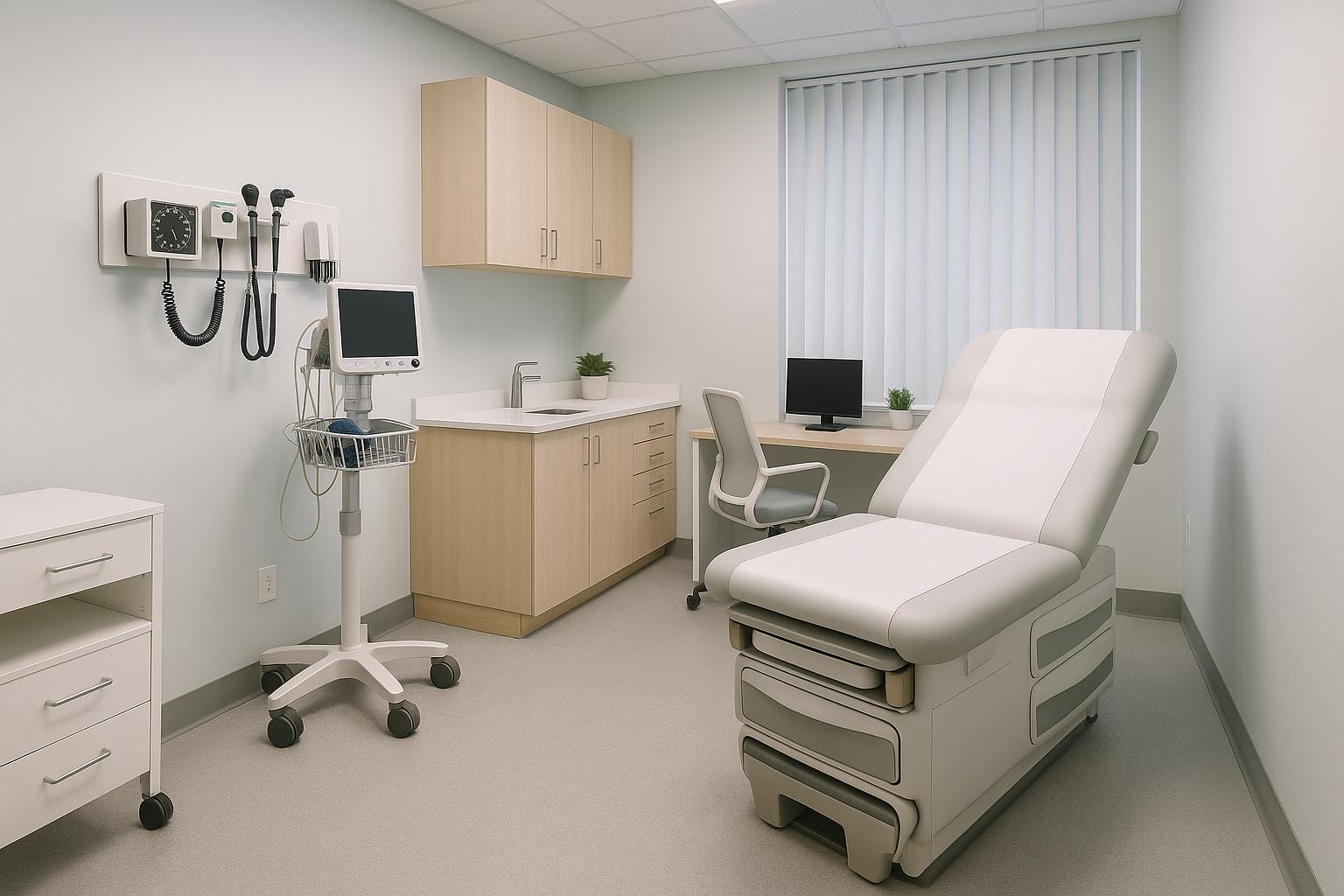
Walking into a medical clinic can be a nerve-wracking experience for many. From the anxiety of waiting for results to the simple discomfort of being in an unfamiliar environment, patient experience is paramount. Modern medical fitouts are transforming the healthcare landscape by prioritising patient comfort and well-being. These aren’t just cosmetic upgrades; they’re strategic designs that positively impact how patients perceive and interact with healthcare providers.
Consider the old, sterile clinic with harsh lighting and uncomfortable seating. Now, imagine a space filled with natural light, calming colours, and comfortable furniture. Which environment would put you more at ease? It’s clear that thoughtful design plays a crucial role in shaping a patient’s overall experience. So, how exactly do modern medical fitouts achieve this?
1. Creating a Calming Atmosphere
First impressions matter, especially in healthcare. A well-designed reception area can significantly reduce anxiety. Think soft lighting, muted colour palettes, and comfortable seating. The goal is to create a welcoming space that feels less like a clinical environment and more like a comfortable waiting room. This might include incorporating natural elements like plants or water features to promote relaxation.
Furthermore, the strategic use of artwork and décor can also contribute to a calming atmosphere. Abstract art, nature photography, or even local landscapes can provide a visual distraction and help patients feel more at ease. These details show that the practice cares about creating a positive experience beyond just the medical treatment itself.
2. Optimising Space and Flow
A poorly designed layout can lead to confusion and frustration. Modern medical fitouts prioritise efficient space planning to ensure smooth patient flow. Clear signage, well-defined pathways, and strategically placed waiting areas can minimise congestion and reduce wait times. This not only improves patient satisfaction but also enhances the efficiency of the staff.
Consider how the layout impacts privacy as well. Ensuring adequate space between seating areas and consultation rooms can help patients feel more comfortable discussing sensitive information. Thoughtful design can create a sense of privacy even in a busy environment, fostering trust and open communication between patients and healthcare providers.
3. Incorporating Technology Seamlessly
Technology plays a vital role in modern healthcare, but it should be integrated seamlessly to enhance, not hinder, the patient experience. Self-check-in kiosks, digital displays with informative content, and readily available Wi-Fi can empower patients and reduce their perceived wait times. These technologies can also streamline administrative tasks, freeing up staff to focus on providing personalised care.
However, it’s crucial to ensure that technology is user-friendly and accessible to all patients, regardless of their tech-savviness. Providing clear instructions and offering assistance when needed can prevent frustration and ensure that technology serves its intended purpose: to improve the overall patient journey.
4. Enhancing Privacy and Confidentiality
Patients need to feel secure and respected, especially when discussing sensitive health matters. Modern medical fitouts address this by incorporating design elements that enhance privacy and confidentiality. Soundproofing consultation rooms, creating private waiting areas, and implementing secure data management systems can all contribute to a more secure environment.
Moreover, the physical layout of the clinic should be designed to minimise the risk of accidental eavesdropping. Strategic placement of doors and partitions can create visual and auditory barriers, ensuring that conversations remain private and confidential. These measures demonstrate a commitment to patient privacy, fostering trust and confidence in the healthcare provider.
5. Improving Accessibility for All
Accessibility is a crucial consideration in modern healthcare design. Medical facilities should be designed to accommodate patients of all ages and abilities. This includes features like ramps, accessible restrooms, and adjustable examination tables. Ensuring that the facility is fully accessible demonstrates a commitment to inclusivity and ensures that all patients can receive the care they need comfortably and safely.
Beyond physical accessibility, consider sensory sensitivities as well. Some patients may be sensitive to bright lights, loud noises, or strong smells. Incorporating features like adjustable lighting, noise-dampening materials, and fragrance-free environments can create a more comfortable experience for these individuals. A truly patient-centric design considers the diverse needs of all patients.
6. Promoting Hygiene and Infection Control
Hygiene and infection control are paramount in any medical setting. Modern healthcare fitouts incorporate materials and design features that promote cleanliness and minimise the spread of germs. Easy-to-clean surfaces, touchless fixtures, and proper ventilation systems are essential for maintaining a safe and healthy environment.
Furthermore, the layout of the clinic should be designed to facilitate efficient cleaning and disinfection protocols. Designated areas for hand hygiene, proper waste disposal systems, and adequate space for cleaning equipment can all contribute to a cleaner and safer environment. These measures not only protect patients but also demonstrate a commitment to maintaining high standards of hygiene.
7. Creating a Positive Staff Environment
A happy and efficient staff translates to a better patient experience. Modern medical fitouts also focus on creating a positive work environment for healthcare professionals. Ergonomic workstations, well-equipped break rooms, and efficient workflows can reduce stress and improve job satisfaction. When staff feel supported and comfortable, they are better able to provide compassionate and attentive care to patients.
Consider the impact of natural light and ventilation on staff well-being. Studies have shown that access to natural light can improve mood and productivity. Providing staff with comfortable and functional workspaces can enhance their overall well-being and contribute to a more positive and efficient work environment. This, in turn, benefits patients by ensuring they receive care from a motivated and engaged team.
The Importance of Professional Design for Dental Practices
Just as with general medical practices, the design of a dental clinic significantly impacts patient experience. Modern dental fitouts aim to create a welcoming and calming environment to alleviate anxiety associated with dental visits. By focusing on design elements that promote relaxation and comfort, dental practices can improve patient satisfaction and build lasting relationships.
From the waiting room to the treatment rooms, every aspect of the dental clinic should be carefully considered to create a positive and stress-free experience for patients. Investing in a well-designed dental fitout can significantly enhance the practice’s reputation and attract new patients.
Conclusion
Modern designs are revolutionising the way patients experience healthcare. By prioritising comfort, efficiency, and accessibility, these fitouts can create a more positive and welcoming environment for everyone. Ultimately, the goal is to create a space where patients feel comfortable, respected, and confident in the care they receive. A well-designed space not only improves patient satisfaction but also enhances the overall efficiency and effectiveness of the healthcare practice.
So, when considering your next clinic renovation or new practice build, remember that investing in a modern fitout is an investment in your patients’ well-being and the long-term success of your practice. By focusing on creating a patient-centric environment, you can transform the healthcare experience and build a thriving practice that patients trust and value. The provision of professional services in medical fitouts can significantly improve patient experience.
Frequently Asked Questions (FAQs)
What are the key elements of a modern medical fitout?
Key elements include creating a calming atmosphere with soft lighting and colours, optimising space for efficient patient flow, incorporating technology seamlessly, enhancing privacy, improving accessibility, promoting hygiene, and creating a positive staff environment. These elements work together to improve the overall patient experience and create a more efficient and effective healthcare practice.
How can a medical fitout improve patient satisfaction?
A well-designed medical fitout can reduce anxiety, improve comfort, enhance privacy, and provide a more welcoming environment. By addressing these factors, healthcare providers can create a positive patient experience that fosters trust and satisfaction. Happy patients are more likely to return and recommend the practice to others.
What role does technology play in modern medical fitouts?
Technology can streamline administrative tasks, reduce wait times, and provide patients with access to information and resources. Self-check-in kiosks, digital displays, and readily available Wi-Fi can empower patients and improve their overall experience. However, it’s crucial to ensure that technology is user-friendly and accessible to all patients.
How important is accessibility in medical facility design?
Accessibility is paramount. Medical facilities should be designed to accommodate patients of all ages and abilities. This includes features like ramps, accessible restrooms, and adjustable examination tables. Ensuring that the facility is fully accessible demonstrates a commitment to inclusivity and ensures that all patients can receive the care they need comfortably and safely.
How can a medical fitout promote hygiene and infection control?
Modern medical fitouts should incorporate materials and design features that promote cleanliness and minimise the spread of germs. Easy-to-clean surfaces, touchless fixtures, and proper ventilation systems are essential for maintaining a safe and healthy environment. These measures protect patients and demonstrate a commitment to high standards of hygiene.