




In many workplaces, the air isn’t always safe to breathe. From construction sites filled with dust to factories releasing fumes, there are countless hazards that can damage your lungs. That’s where reliable respiratory protection equipment steps in, acting as a crucial barrier between you and harmful airborne contaminants. Understanding its importance and proper usage is vital for maintaining a healthy workforce.
Choosing the right respiratory protection isn’t just about ticking a box; it’s about ensuring the well-being of yourself and your colleagues. This article will explore seven key ways this equipment safeguards your health and keeps you productive on the job. Let’s dive in and discover how to breathe easier at work.
Understanding the Risks: Why Respiratory Protection Matters
Before we delve into the specifics of respiratory protection, it’s essential to understand the potential risks lurking in various work environments. Many industries expose workers to a cocktail of airborne hazards that can have serious long-term health consequences. What are some of these risks, and how do they affect your health?
Common Airborne Hazards in the Workplace
The types of airborne contaminants vary widely depending on the industry. Construction workers often face dust, silica, and asbestos fibres. Manufacturing environments can contain fumes, gases, and chemical vapours. Even seemingly harmless tasks like sanding or grinding can release fine particles that irritate the respiratory system. These are just a few examples; the specific hazards depend heavily on the work being performed.
- Dust: Can cause respiratory irritation, silicosis, and other lung diseases.
- Fumes: Often contain harmful chemicals that can damage lung tissue and cause systemic poisoning.
- Gases: Some gases are asphyxiants, displacing oxygen and leading to suffocation, while others are toxic and cause organ damage.
- Vapours: Evaporated liquids can release harmful vapours that irritate the eyes, nose, and throat, and can also damage the lungs.
- Biological Hazards: Bacteria, viruses, and fungi can cause infections and respiratory illnesses.
Long-Term Health Consequences of Exposure
The consequences of inhaling these hazards can range from mild irritation to life-threatening illnesses. Prolonged exposure to dust can lead to chronic obstructive pulmonary disease (COPD) or silicosis. Fumes and gases can cause asthma, bronchitis, and even lung cancer. Asbestos exposure is notoriously linked to mesothelioma, a deadly form of cancer. Taking preventative measures is crucial, because the stakes are high.
Ignoring these risks can have devastating effects on your health and quality of life. That’s why understanding the importance of respiratory protection and taking appropriate precautions is paramount. Next, we’ll explore how this equipment acts as a shield against these dangers.
1. Filtering Out Harmful Particles: The Power of Air-Purifying Respirators
Air-purifying respirators (APRs) are a common type of respiratory protection equipment, relying on filters or cartridges to remove contaminants from the air you breathe. These respirators work by drawing air through a filter that traps particles, gases, or vapours, providing you with clean, breathable air. How do these filters work, and what types of contaminants can they protect against?
How Air-Purifying Respirators Work
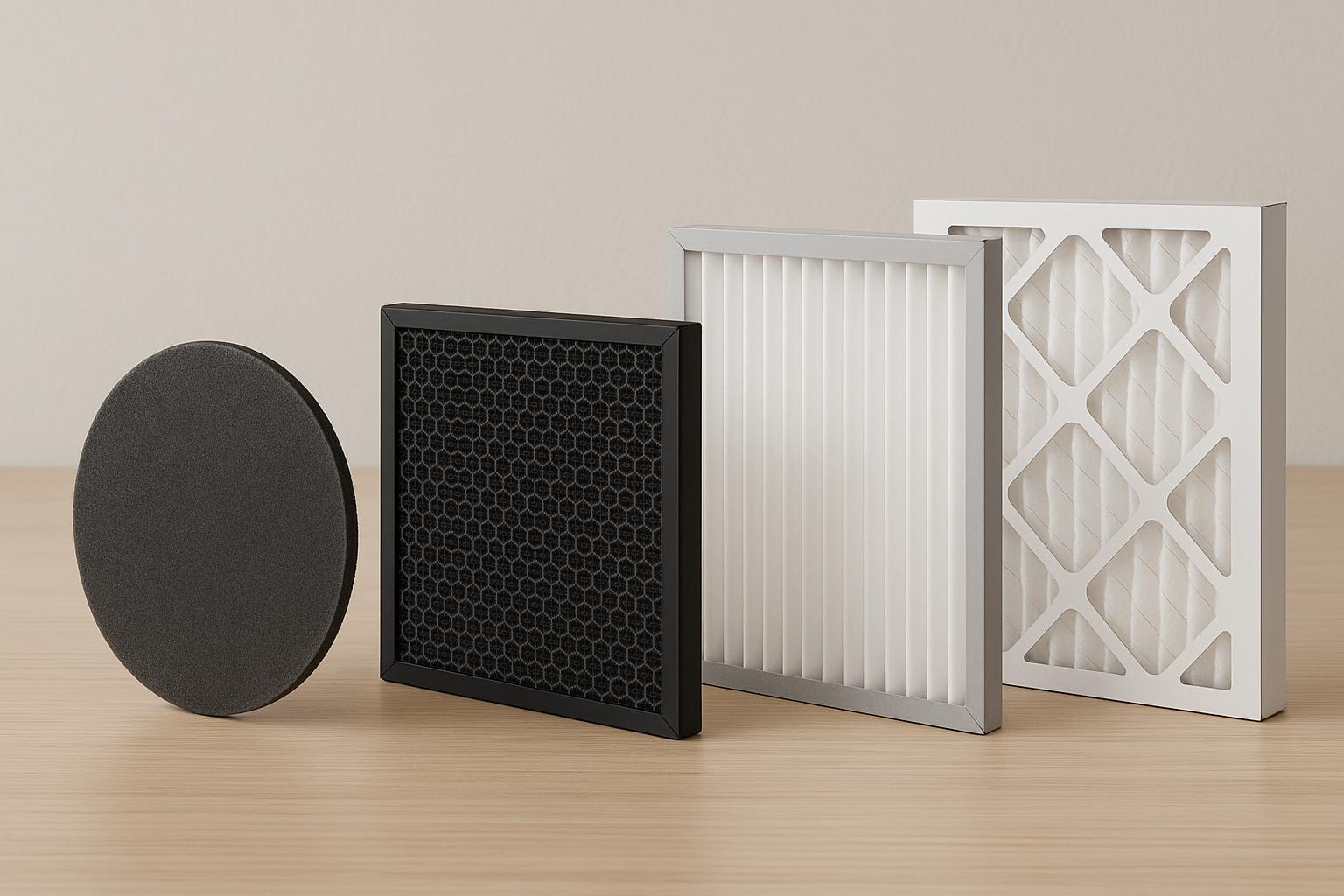
APRs utilise various types of filters, each designed to target specific contaminants. Particulate filters remove dust, fibres, and other solid particles. Chemical cartridges contain absorbent materials that capture gases and vapours. Some respirators use a combination of filters and cartridges to provide broader protection. The effectiveness of an APR depends on the proper fit and the correct selection of filters for the specific hazards present.
Types of Filters and Their Applications
There are several types of filters available for APRs, each with its own specific application:
- N95 Filters: Filter at least 95% of airborne particles. Commonly used for dust and non-oil-based particles.
- P100 Filters: Filter at least 99.97% of airborne particles. Provide the highest level of particulate protection.
- Chemical Cartridges: Designed to absorb specific gases and vapours, such as organic vapours, chlorine, or ammonia.
- Combination Filters: Offer protection against both particulates and gases/vapours.
Selecting the right filter is crucial for effective respiratory protection. Always consult the manufacturer’s guidelines and safety data sheets to ensure the filter is appropriate for the specific hazards in your work environment.
2. Supplying Clean Air: The Benefits of Atmosphere-Supplying Respirators
In situations where the air is severely contaminated or oxygen-deficient, air-purifying respirators may not be sufficient. That’s where atmosphere-supplying respirators (ASRs) come into play. These respirators provide a separate source of clean, breathable air, ensuring you’re not relying on the surrounding environment. What are the different types of ASRs, and when are they necessary?
Self-Contained Breathing Apparatus (SCBA)
Self-contained breathing apparatus (SCBA) are commonly used by firefighters and other emergency responders. They consist of a compressed air tank worn on the back, connected to a face mask that provides a constant supply of clean air. SCBAs are ideal for situations where the air is immediately dangerous to life or health (IDLH).
Supplied-Air Respirators (SAR)
Supplied-air respirators (SARs) provide air through a hose connected to a stationary air compressor or a compressed air cylinder. SARs are suitable for extended use in environments where the air is contaminated but not immediately life-threatening. They offer greater mobility than SCBAs and are often used in industrial settings.
3. A Secure Seal: The Importance of Proper Fit Testing
No matter how advanced your respirator is, it won’t provide adequate protection if it doesn’t fit properly. A leaky respirator allows contaminated air to seep in, negating its effectiveness. Fit testing is a crucial step in ensuring your respirator forms a tight seal against your face. How is fit testing performed, and why is it so important?
Qualitative vs. Quantitative Fit Testing
There are two main types of fit testing: qualitative and quantitative. Qualitative fit testing relies on your sense of taste or smell to detect leaks. A test agent, such as saccharin or Bitrex, is sprayed into a hood worn over your head. If you can taste or smell the agent, the respirator is not fitting properly.
Quantitative fit testing uses sophisticated instruments to measure the amount of leakage into the respirator. This method provides a more precise measurement of fit and is often required for certain types of respirators or in high-hazard environments. Both methods play a vital role in confirming the full face respirators are working correctly.
Factors Affecting Respirator Fit
Several factors can affect respirator fit, including facial hair, glasses, and even weight changes. Facial hair, such as beards or moustaches, can prevent the respirator from sealing properly against your face. Glasses can also interfere with the seal. It’s essential to be clean-shaven and wear appropriate eyewear when using a respirator. Regular fit testing is recommended, especially if you experience any changes in your facial features or weight.
4. Protecting Your Entire Face: The Benefits of Full Face Respirators
While half-mask respirators cover the nose and mouth, full face respirators provide additional protection for the eyes and face. This is particularly important in environments where there’s a risk of chemical splashes, flying debris, or irritating vapours. What are the advantages of using a full face respirator, and when are they recommended?
Enhanced Protection Against Irritants
Full face respirators offer a complete barrier against airborne irritants that can cause eye and skin irritation. They prevent chemicals, dust, and other particles from coming into contact with your face, reducing the risk of discomfort and potential injury. This is especially important in industries such as chemical manufacturing, agriculture, and mining.
Improved Visibility and Comfort
Modern full face respirators are designed to provide excellent visibility and comfort. They feature wide lenses that offer a clear field of vision, and many models have adjustable straps and soft facepieces for a secure and comfortable fit. Improved visibility enhances safety and productivity, while a comfortable fit encourages workers to wear the respirator consistently.
5. Training and Education: Empowering Workers to Use Respirators Correctly
Providing workers with the right respiratory protection equipment is only half the battle. It’s equally important to ensure they’re properly trained on how to use, maintain, and store the equipment correctly. Comprehensive training programs can empower workers to protect themselves effectively and prevent potential hazards. What should a comprehensive training program include?
Proper Donning and Doffing Procedures
Training should cover the correct procedures for putting on (donning) and taking off (doffing) the respirator. This includes inspecting the respirator for damage, adjusting the straps for a secure fit, and performing a user seal check to ensure there are no leaks. Workers should also be trained on how to properly clean and store the respirator after use.
Maintenance and Storage Best Practices
Respirators require regular maintenance to ensure they remain in good working condition. Training should cover how to inspect the respirator for damage, clean the facepiece and filters, and replace worn or damaged parts. Proper storage is also essential to prevent contamination and damage. Respirators should be stored in a clean, dry place away from direct sunlight and extreme temperatures.
6. Regular Inspections and Maintenance: Ensuring Equipment Reliability
Like any safety equipment, respirators require regular inspections and maintenance to ensure they’re functioning correctly. Regular inspections can identify potential problems before they lead to equipment failure, while proper maintenance can extend the lifespan of the respirator and maintain its effectiveness. What should be included in a regular inspection and maintenance program?
Checking for Damage and Wear
Respirators should be inspected before each use to check for any signs of damage or wear. This includes checking the facepiece for cracks or tears, inspecting the straps for fraying or stretching, and examining the filters for damage or contamination. Any damaged or worn parts should be replaced immediately.
Replacing Filters and Cartridges
Filters and cartridges have a limited lifespan and must be replaced regularly. The frequency of replacement depends on the type of filter, the concentration of contaminants, and the duration of use. Always follow the manufacturer’s recommendations for filter replacement and keep a record of when filters were last changed.
7. Compliance and Regulations: Adhering to Safety Standards
The use of respiratory protection equipment is often mandated by regulations and safety standards. These regulations are designed to protect workers from airborne hazards and ensure they’re provided with the necessary equipment and training. What are some of the key regulations and standards related to respiratory protection?
Understanding Relevant Standards
Knowing the relevant safety standards ensures you are using the correct equipment for the task. These standards outline the requirements for respiratory protection programs, including hazard assessment, respirator selection, fit testing, training, and maintenance. Adhering to these standards is essential for creating a safe and healthy work environment.
Creating a Safe and Healthy Work Environment
By understanding the risks, using the appropriate respiratory protection equipment, and adhering to relevant regulations, you can create a safe and healthy work environment for yourself and your colleagues. Respiratory protection is not just a requirement; it’s an investment in your health and well-being. By taking the necessary precautions, you can breathe easier and work with confidence.
Frequently Asked Questions
Here are some frequently asked questions about respiratory protection equipment:
1. How do I choose the right respirator for my job?
Choosing the right respirator depends on the specific hazards present in your work environment. Consult with a safety professional or industrial hygienist to conduct a hazard assessment and determine the appropriate level of protection. Consider the type of contaminants, their concentration, and the duration of exposure. Always select a respirator that is certified and meets relevant safety standards.
2. How often should I replace the filters on my respirator?
The frequency of filter replacement depends on the type of filter, the concentration of contaminants, and the duration of use. Follow the manufacturer’s recommendations for filter replacement and keep a record of when filters were last changed. If you notice any signs of reduced airflow or a change in taste or smell, replace the filters immediately.
3. Can I use a respirator if I have facial hair?
Facial hair can prevent the respirator from sealing properly against your face, allowing contaminated air to seep in. It’s recommended to be clean-shaven when using a respirator. If you’re unable to shave for medical or religious reasons, consult with a safety professional to explore alternative respiratory protection options.
4. How do I clean and store my respirator?
Clean your respirator after each use by wiping the facepiece with a mild soap and water solution. Rinse thoroughly and allow it to air dry. Store the respirator in a clean, dry place away from direct sunlight and extreme temperatures. Avoid storing it in a contaminated environment or with other equipment that could damage it.
5. What should I do if I experience discomfort or difficulty breathing while wearing a respirator?
If you experience discomfort or difficulty breathing while wearing a respirator, stop working immediately and remove the respirator. Check the respirator for any signs of damage or improper fit. If the problem persists, consult with a safety professional or medical provider. It’s important to address any discomfort or breathing difficulties promptly to prevent potential health problems.