




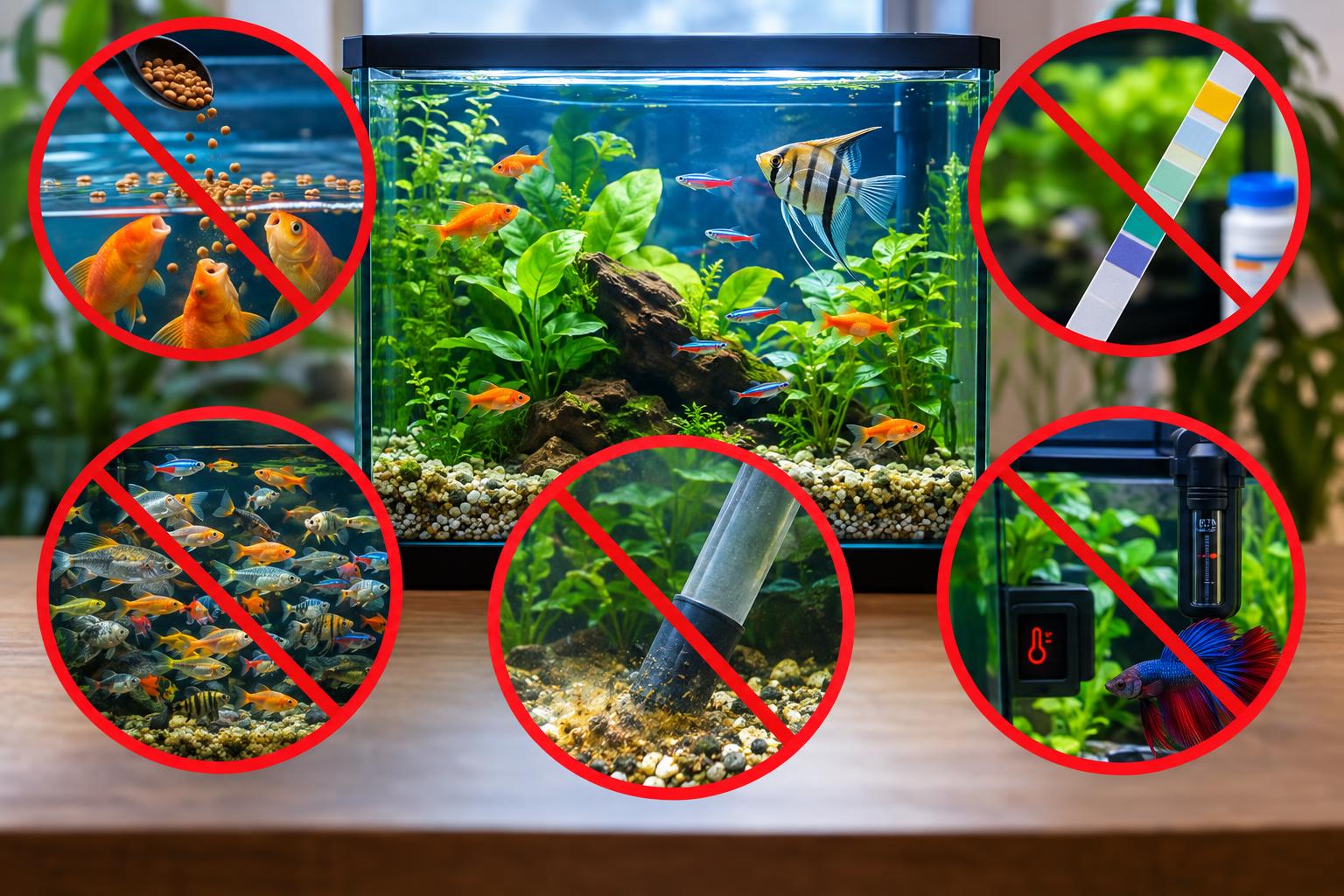
Fishkeeping is indisputably a relatively hard and complicated hobby that many cannot sustain. However, most casualties probably never stemmed from bad luck, and as these incidents keep on repeating, the more you shrug it off. These things commonly happen to beginners, so, here are 5 aquarist mistakes to avoid for more successful aquatic pet care in your new flat at Fablewoode Residences.
Buying High-Maintenance Fish
Often caused by impulse shopping, most first-time beginners purchase high-maintenance fish without considering their needs and levels of care. Start slow and calmly with easier fish species to avoid wasting money and getting discouraged with your new hobby.
Owning Inadequate Tank Space
Each and every species of fish demands a different minimum tank size, and restricting a fish’s limits excessively can cause heavy territorial behavior (especially if overabundant), permanent stunting, and rapid waste/toxin build-up.
Fish Incompatibilities
Some species of fish tend to live better on their own, such as the Siamese Fighting Fish (Betta) or the oscar. This primarily sprouts from general territorial aggression, predatory instincts, bullying, or simply mistaking something else for food. So, be careful when adding two of some species together, like cleaner fish, shrimp, and other types.
Not Cycling a Brand-New Tank
A completely new aquarium requires cycling to build beneficial bacteria that convert harmful chemicals into safer compounds. Without it, waste or toxins from the fish build and evolve quickly, consequently killing them. However, note that plants do not get affected and actually benefit from this process, so you are free to put any amount of decor, plants, and soil when designing and preparing your new tank.
Not Quarantining Newly Arrived Fish
Whether you had it delivered or bought it directly from the store, packaged water quality is often bad and chances are, they contain parasites. So, when you’re back home, quarantine them in a small tub/tank for a while, add sponge filters and test the waters to see if it needs changes or curing. At the same time, regulate the water to similarly match the temperature to the actual tank to reduce shock.