




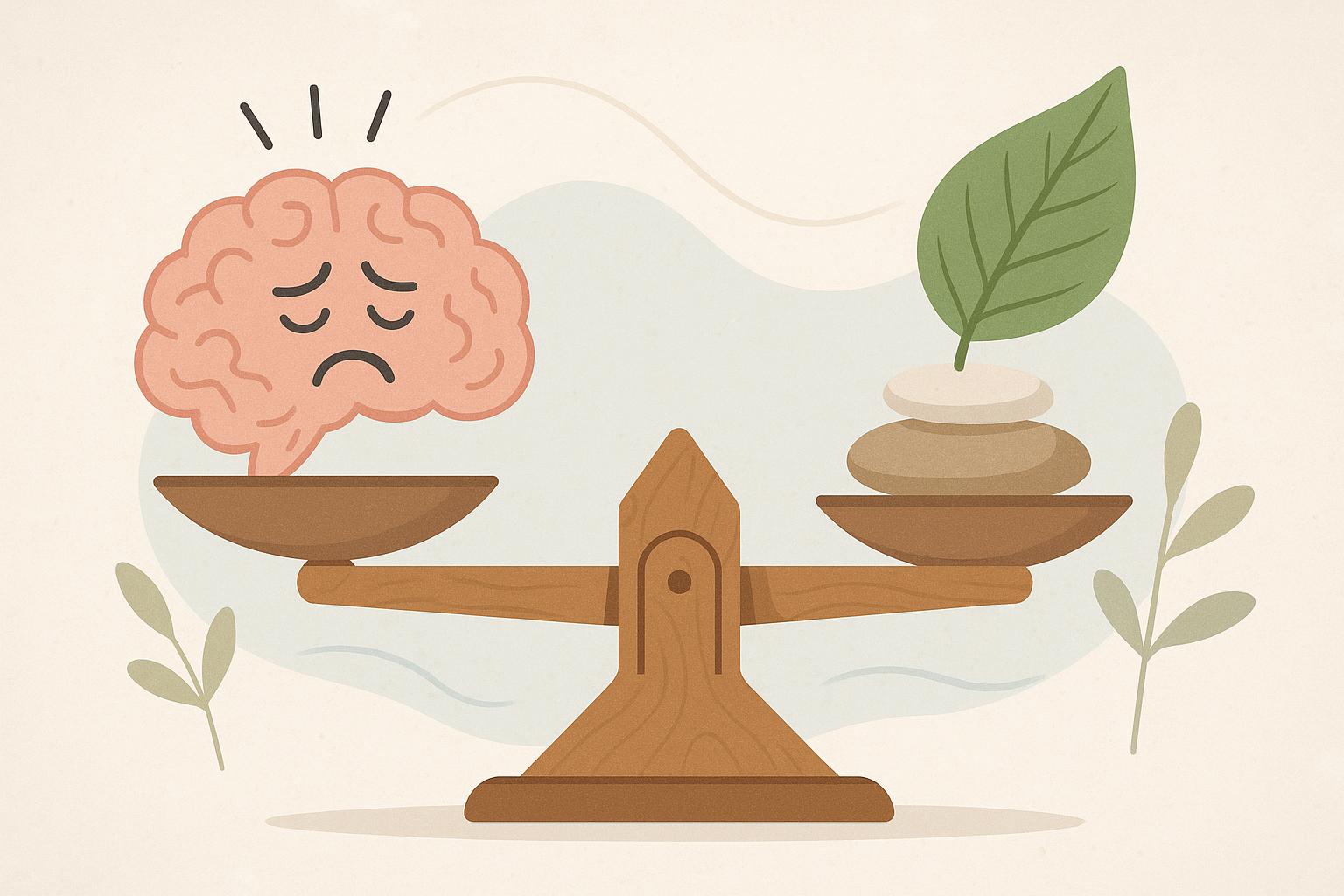
It’s easy to ignore discomfort when it arrives quietly. A tight jaw after a stressful week, tension sitting behind the eyes, shoulders that creep up without you noticing, or a general feeling that your body never fully switches off. Most people don’t suddenly wake up feeling out of balance; it tends to build slowly, in small physical signals that are easy to explain away until they start affecting your sleep, mood or focus.
That’s why understanding how acupressure works can be helpful for anyone looking at gentler ways to support their wellbeing. Rather than treating the body like a collection of separate parts, acupressure is based on the idea that pressure applied to specific points may help encourage relaxation, ease tension and support the body’s natural sense of flow.
Stress Doesn’t Always Feel Like Stress
Stress has a way of disguising itself. You might not feel obviously anxious, but your body can still be holding onto the week. Maybe your stomach feels unsettled, your neck feels stiff, or your breathing becomes shallow without you realising it. Sometimes, the clearest sign that you’re under pressure isn’t a racing mind, but a body that feels braced for something even when nothing immediate is wrong.
This is where slower, more body-aware practices can be useful. They invite you to notice what’s actually happening, rather than pushing through it automatically. Acupressure, massage, stretching, mindful breathing and other hands-on or self-care approaches can create a pause in the day, which might sound simple, but is often the exact thing people are missing.
The appeal of acupressure is that it feels accessible. It doesn’t require a dramatic lifestyle overhaul or a complete change in routine. For some people, it becomes part of a broader wellbeing plan, while for others it’s simply a way to reconnect with their body and notice where tension has been sitting unnoticed.
The Value of Paying Attention Early
One of the most useful habits you can build is responding to small signs before they turn into bigger problems. If your shoulders are tight every afternoon, your sleep is getting lighter, or your head feels foggy by lunchtime, those signs are worth listening to. They don’t always mean something serious, but they do suggest your body could use more support.
A lot of people wait until they’re exhausted before making time for themselves, yet small, regular practices are often easier to maintain than a major reset after burnout. Even a few minutes of intentional pressure, breathing or stretching can shift your attention away from the rush of the day and back into the physical present.
Making Wellbeing Feel Practical
The best wellbeing habits are usually the ones that fit into real life. They don’t rely on perfect mornings, expensive routines or unrealistic discipline. They’re simple enough to return to when life gets busy, which is when you need them most.
Acupressure can sit comfortably alongside other everyday habits, like drinking more water, taking proper screen breaks, moving your body gently and getting outside when you can. None of these are magic fixes, but together they create a better foundation for feeling steady.
Learning to Listen Before Your Body Shouts
Balance rarely comes from one big change. More often, it comes from noticing the quiet signals, making small adjustments and giving your body the kind of attention it’s been asking for all along. When you start listening earlier, looking after yourself becomes less about fixing what’s gone wrong and more about staying connected to what you need.