




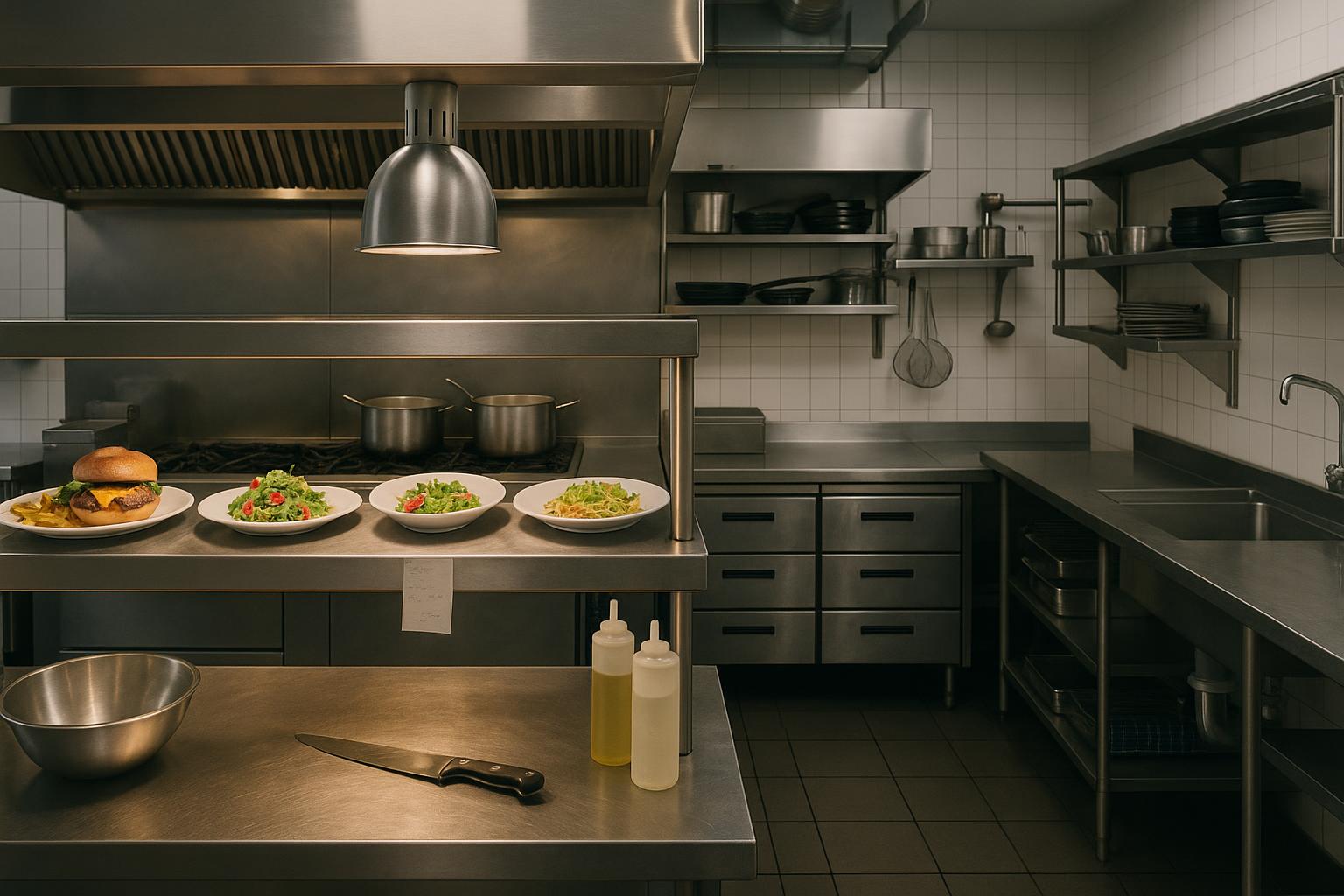
A good meal might be what customers remember, but behind the scenes, there’s a whole system working hard to make that experience feel smooth. The kitchen needs to move quickly without feeling chaotic, ingredients need to stay fresh, staff need enough room to work properly, and equipment has to do its job day after day without turning every service into a guessing game. When everything is running well, nobody notices the machinery behind the moment, which is exactly the point.
For restaurants, cafés, hotels, venues and food retailers, reliable refrigeration is one of those essentials that can’t be treated as an afterthought. Choosing equipment like TRUE commercial refrigeration can help businesses create a more dependable back-of-house setup, where food safety, workflow and daily efficiency all have room to come together.
The Rhythm of a Working Kitchen
Commercial kitchens have their own kind of choreography. Someone’s prepping vegetables, someone’s checking stock, someone’s plating meals, someone’s wiping down benches, and someone else is trying to get through the cool room without getting in everyone’s way. It can look frantic from the outside, but the best kitchens are usually built on routines, clear systems and equipment that supports the pace rather than slowing it down.
Refrigeration plays a bigger role in that rhythm than many people realise. It affects how ingredients are stored, how quickly staff can access what they need, how confidently the team can prepare ahead, and how much waste the business has to manage at the end of the week. If cold storage is awkward, unreliable or badly placed, the whole kitchen feels it.
This is especially true during busy periods, when there isn’t time to reorganise shelves, second-guess temperatures or deal with equipment that can’t keep up. A fridge or freezer might not be the most glamorous part of a hospitality fit-out, but when service is in full swing, it becomes one of the most important pieces of the puzzle.
Why Practical Choices Matter More Than Flashy Ones
There’s always a temptation to focus on what customers can see first: the lighting, the furniture, the signage, the open kitchen pass. Those things matter, of course, but a hospitality business also lives or dies by what happens out of sight. If storage is poor, stock control gets messy. If equipment is hard to clean, hygiene becomes harder to maintain. If refrigeration struggles, ingredients suffer and staff lose confidence in the systems around them.
Good commercial equipment should feel practical before anything else. It should make daily tasks easier, support food safety standards, and stand up to the pressure of repeated use. In a busy kitchen, even small improvements can make a meaningful difference, whether that’s easier access to frequently used ingredients, better visibility inside the unit, or more consistent temperature control throughout the day.
Building a Better Back-of-House
The strongest food businesses usually understand that customer experience starts long before a plate reaches the table. It starts with ordering, storage, prep, cleaning, maintenance and staff movement. When those pieces work properly, the front-of-house experience feels calmer and more consistent.
The Equipment Nobody Talks About When It’s Working
The best refrigeration doesn’t draw attention to itself. It simply keeps doing what it’s meant to do, quietly supporting the people, produce and pace that make food service possible. In that sense, a well-equipped kitchen isn’t just about having the right tools; it’s about giving the whole team a better chance to do great work without unnecessary friction.