




Shafila Rahman is a public health professional with experience spanning patient coordination, respiratory care support, and hospital operations. After earning a master’s degree in public health from Emory University, she worked at Emory Brain Health as a Patient Care Coordinator, where she organized care for sleep studies and scheduled respiratory therapy appointments. Her work included helping patients understand insurance coverage and coordinating CPAP and BiPAP-related services. Later, she served as a Patient Transport Supervisor at Northeast Georgia Medical Center, overseeing daily operations, staff training, and patient movement logistics. Through her roles supporting respiratory therapy and patient services, Shafila Rahman has developed a strong understanding of how respiratory therapists contribute to improving patient outcomes and continuity of care.
How Respiratory Therapists Have Revolutionized Patient Care
Respiratory therapists have become an increasingly important presence in modern healthcare as the treatment of breathing disorders grows more complex. Hospitals, clinics, and rehabilitation centers use their knowledge to monitor lung function and help unstable breathers. Their duties go beyond oxygen and ventilator use. When treating asthma, pneumonia, and COPD, where slight breathing changes can quickly affect a patient’s health, medical teams generally rely on their judgment.
Their work frequently unfolds in close collaboration with physicians, nurses, and other specialists. During treatment, respiratory therapists record airflow, oxygen levels, and patient comfort. Respiratory therapists often advise medical teams on how patients respond to ventilator support and when clinicians may safely discontinue breathing assistance in critical care. They carefully interpret clinical signs and contribute valuable guidance during these decisions.
Another area where respiratory therapists influence patient care involves early recognition of respiratory decline. Subtle changes in lung function may precede symptoms. Pulmonary testing and regular monitoring help therapists spot signs of deterioration. Early detection enables healthcare professionals to adjust medications or therapies before issues arise, reducing emergency hospital visits.
Outpatient care has also benefited from the growing involvement of respiratory therapists. Many healthcare organizations now offer long-term lung disease management programs led by respiratory experts. These programmes teach patients inhaler skills, breathing exercises, and respiratory health-related habits. Consistent coaching in these areas reduces flare-ups and stabilizes patients.
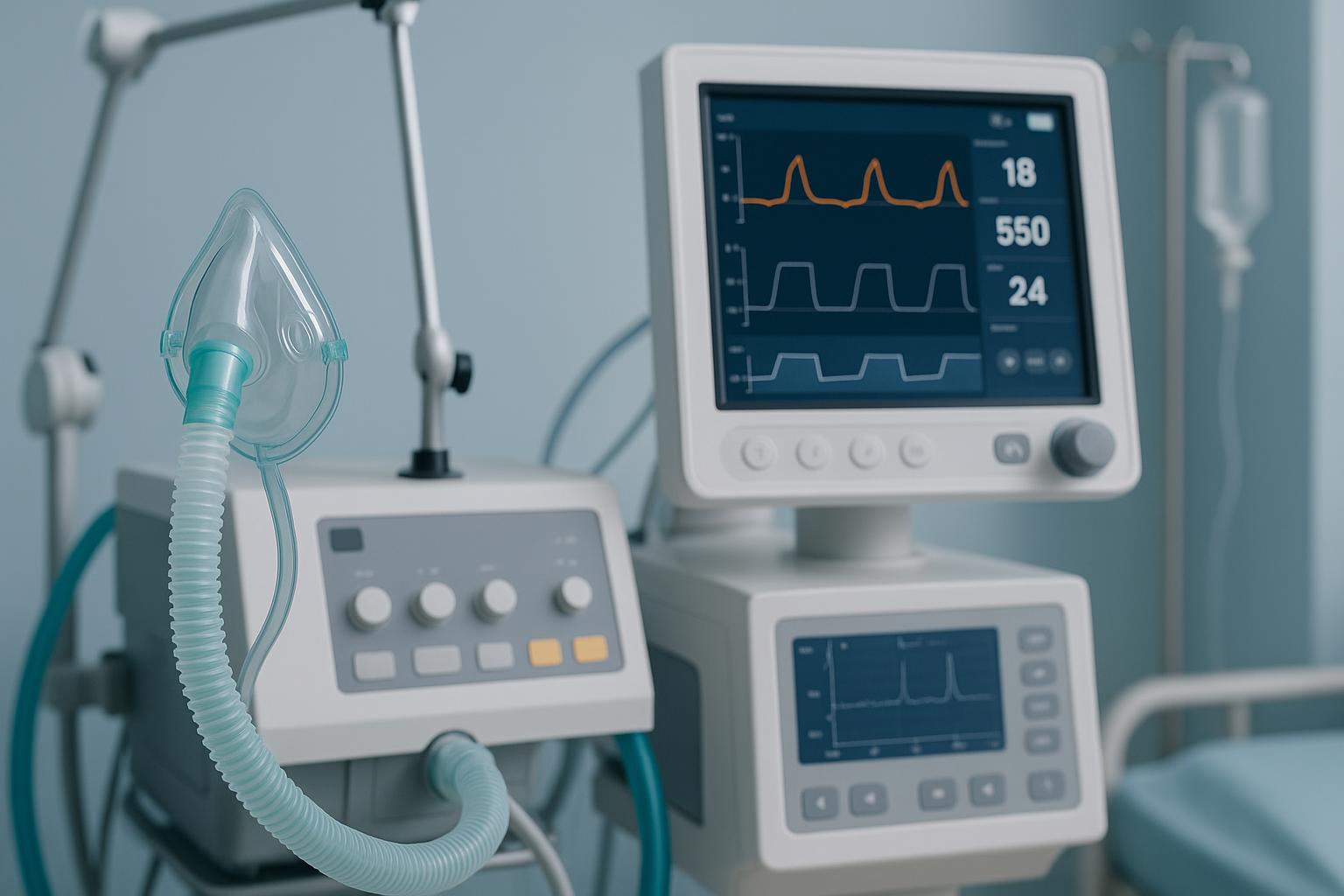
Advances in medical technology have expanded what respiratory therapists can do in both hospital and outpatient settings. Modern ventilators, portable oxygen systems, and digital monitors provide detailed data on breathing and oxygen exchange. Respiratory therapists analyze this data and alter treatment. They help promote patient-centered treatment by translating technical readings into practical care decisions.
Research within respiratory medicine continues to highlight the profession’s importance as well. Research on breathing difficulties and other chronic diseases shows that respiratory health often affects other physiological systems. Metabolic and neurological disorders can affect breathing regulation. Respiratory therapists observe how these interactions affect patients in real healthcare settings, providing clinical insight to these investigations.
Education remains another defining aspect of their work. Daily activities, medication regimens, and symptom management can be unclear to patients with chronic lung disease. Respiratory therapists explain treatments and how to breathe when it’s hard. They inform and calm patients about controlling their illness outside the hospital.
Public awareness of respiratory therapy has also increased in recent years. At national recognition ceremonies, healthcare institutions and professional groups celebrate respiratory therapists. These projects highlight a hidden profession. Increased visibility has helped patients and administrators understand how respiratory therapists aid recovery and long-term care.
Healthcare systems themselves have begun to shift toward models that emphasize continuity of care, and respiratory therapists fit naturally within that approach. Patients with respiratory ailments often switch between hospital, outpatient, and home care. Respiratory therapists help coordinate these transitions for consistent care. They help patients acclimate to outpatient care due to their knowledge of respiratory equipment and therapy.
Data analysis has also become part of respiratory care in ways that were less common in earlier decades. Clinicians can track respiratory diseases via digital patient records and monitoring tools. Respiratory therapists discuss these trends with doctors and care teams. These findings improve treatment choices and personalize care.
The profession has evolved alongside growing expectations for specialized training. Educational programs teach respiratory therapists advanced ventilation methods, pulmonary diagnostics, and respiratory pharmacology. As new cures and technology emerge, continuing education is routine. This ongoing learning process equips therapists to manage increasingly complex treatment environments.
About Shafila Rahman
Shafila Rahman is a healthcare professional with experience in patient coordination, respiratory therapy support, and hospital operations. She has worked at Emory Brain Health managing sleep care patients, scheduling respiratory therapy, and assisting with insurance navigation. At Northeast Georgia Medical Center, she supervised patient transport operations, including staffing, training, and equipment oversight. Her background combines public health education from Emory University with practical experience in improving patient care processes and supporting clinical teams.