




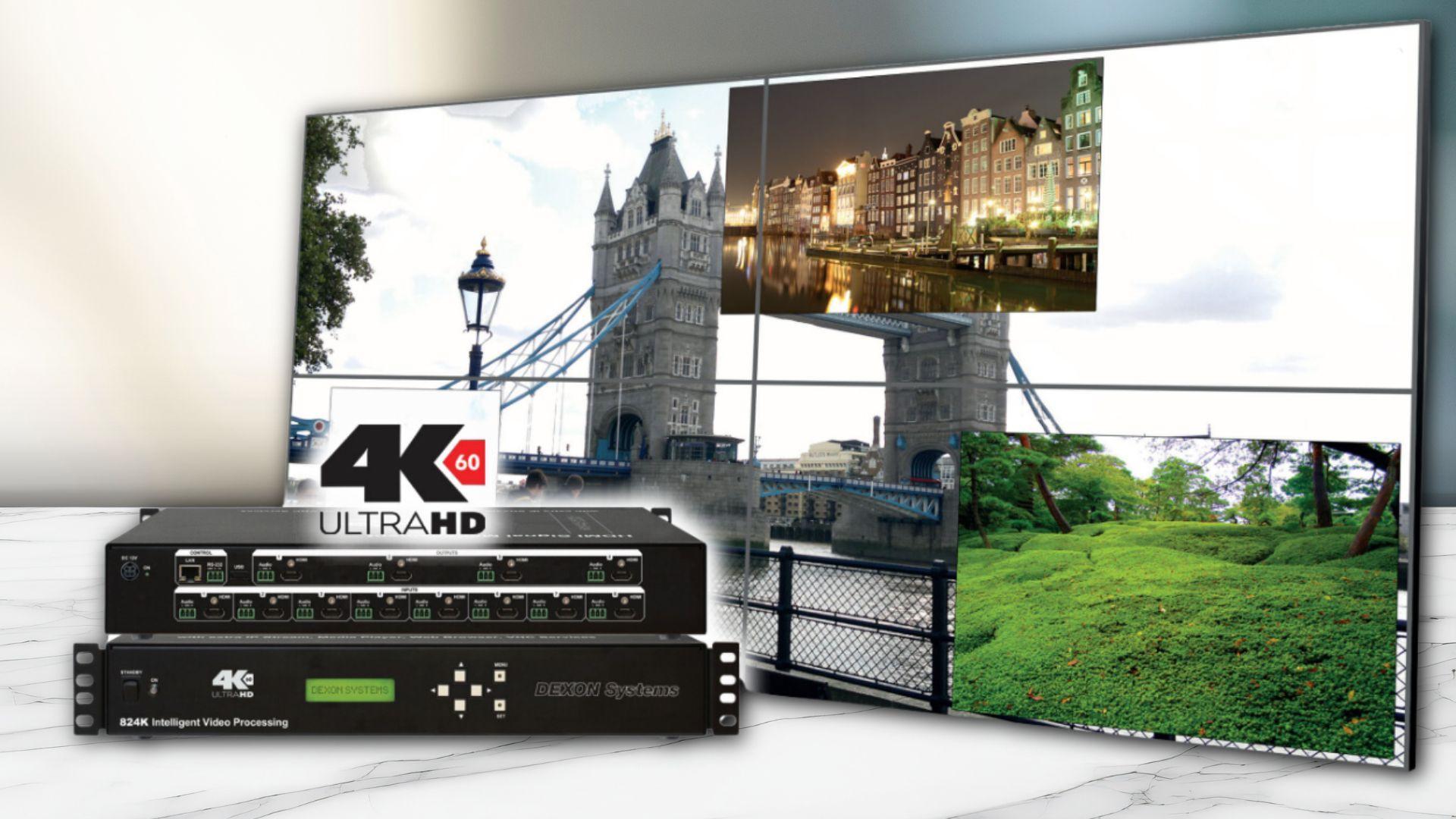
In today’s technology-driven world, visual communication has become a vital component of business operations, education, entertainment, and public information systems. Organizations increasingly rely on high-quality video content to engage audiences, share information, and support decision-making processes. Behind many advanced display systems are professional video processors, specialized devices that ensure video content is delivered smoothly, clearly, and efficiently.
As display technologies continue to advance, businesses need solutions capable of managing multiple video sources, supporting high resolutions, and maintaining exceptional image quality. Professional video processors help meet these demands by providing the performance and flexibility required for modern audiovisual environments.
Understanding Professional Video Processors
Professional video processors are advanced devices designed to receive, manage, and distribute video signals across one or more displays. Unlike standard consumer electronics, these systems are built for professional applications where reliability, image accuracy, and operational efficiency are essential.
These processors perform a variety of tasks, including video scaling, signal conversion, source switching, image enhancement, and multi-screen management. Many modern units also support advanced features such as picture-in-picture functionality, content layering, and video wall control. Their ability to handle high-resolution content while maintaining excellent visual performance makes them valuable in demanding environments.
The Growing Demand for Advanced Video Processing
The need for effective visual communication continues to expand across multiple industries. Businesses use digital displays for presentations and collaboration, while educational institutions rely on visual technologies to enhance learning experiences. Control rooms, event venues, and public information centers also depend on sophisticated display systems to deliver critical information.
As display networks become more complex, professional video processors play an increasingly important role in ensuring that content is presented accurately and consistently. By simplifying the management of multiple video sources and displays, these devices help organizations improve efficiency and maintain high-quality visual communication.
Key Features That Matter
When selecting professional video processors, several features can significantly impact performance and usability.
High-Resolution Support
Modern visual applications require support for increasingly detailed content. Advanced processors are capable of handling ultra-high-definition video, ensuring sharp images and smooth playback across various display configurations. This capability is particularly important in environments where image clarity directly affects user experience.
Seamless Switching
Many professional environments require instant transitions between different video sources. Seamless switching technology allows users to change content without interruptions, delays, or screen flickering. This feature is especially valuable during live presentations, broadcasts, and events where continuous visual output is essential.
Multi-Display Management
Large organizations often use multiple screens or video walls to present information. Professional video processors provide centralized control over these displays, allowing content to be arranged and distributed efficiently. This flexibility enables users to create customized layouts that meet specific operational requirements.
Scalability
Technology requirements often change over time. Scalable video processing solutions allow organizations to expand their systems as needed without replacing existing infrastructure. This adaptability helps businesses maximize their investments while preparing for future growth.
Applications Across Industries
The versatility of professional video processors makes them suitable for a wide range of applications.
Corporate Environments
Businesses use advanced display systems for meetings, presentations, and collaborative workspaces. Video processors ensure that information is displayed clearly and that multiple content sources can be managed efficiently during discussions and presentations.
Control Rooms
Control rooms require constant monitoring of numerous information sources. Video processors enable operators to view multiple data streams simultaneously while maintaining clear and organized visual layouts. Their reliability is essential in environments where uninterrupted access to information is critical.
Education and Training
Educational institutions increasingly incorporate digital displays into classrooms and training facilities. Video processors help manage content from various sources, creating interactive learning environments that support both instructors and students.
Digital Signage
Retail stores, transportation facilities, healthcare centers, and public venues use digital signage to communicate important information. Professional video processors support these systems by ensuring consistent content delivery and high-quality visual performance across multiple displays.
Events and Entertainment
Concerts, conferences, exhibitions, and live productions rely heavily on visual presentations. Video processors help coordinate content across large display systems, ensuring smooth transitions, synchronized playback, and professional-quality image presentation throughout an event.
Benefits of Investing in Professional Solutions
Organizations that implement professional video processing technology often gain several important advantages. Enhanced image quality helps improve audience engagement and information retention. Centralized management simplifies system operation and reduces the complexity associated with handling multiple displays and content sources.
Another key benefit is reliability. Professional-grade processors are engineered to operate continuously in demanding environments, making them suitable for mission-critical applications. Their advanced capabilities also support greater flexibility, allowing users to adapt display configurations to changing requirements.
In addition, professional systems often integrate easily with existing audiovisual equipment, enabling organizations to create unified technology environments without extensive modifications.
Choosing the Right Video Processor
Selecting the most suitable video processing solution requires careful evaluation of operational needs. Factors such as display size, resolution requirements, number of video inputs, and future expansion plans should all be considered during the decision-making process.
Organizations should also assess ease of use, system compatibility, and long-term reliability. Choosing a solution that supports both current and future requirements can help maximize value while reducing the need for costly upgrades later.
Working with experienced audiovisual professionals can further simplify the selection process and ensure that the chosen system aligns with organizational objectives.
Conclusion
As visual technologies continue to shape modern communication, the importance of professional video processors continues to grow. These advanced devices provide the tools needed to manage complex display environments, enhance image quality, and deliver seamless visual experiences.
From corporate offices and educational institutions to control rooms and entertainment venues, professional video processors support a wide variety of applications. Their combination of performance, flexibility, and reliability makes them an essential component of modern audiovisual systems, helping organizations communicate more effectively and adapt to evolving technological demands.