




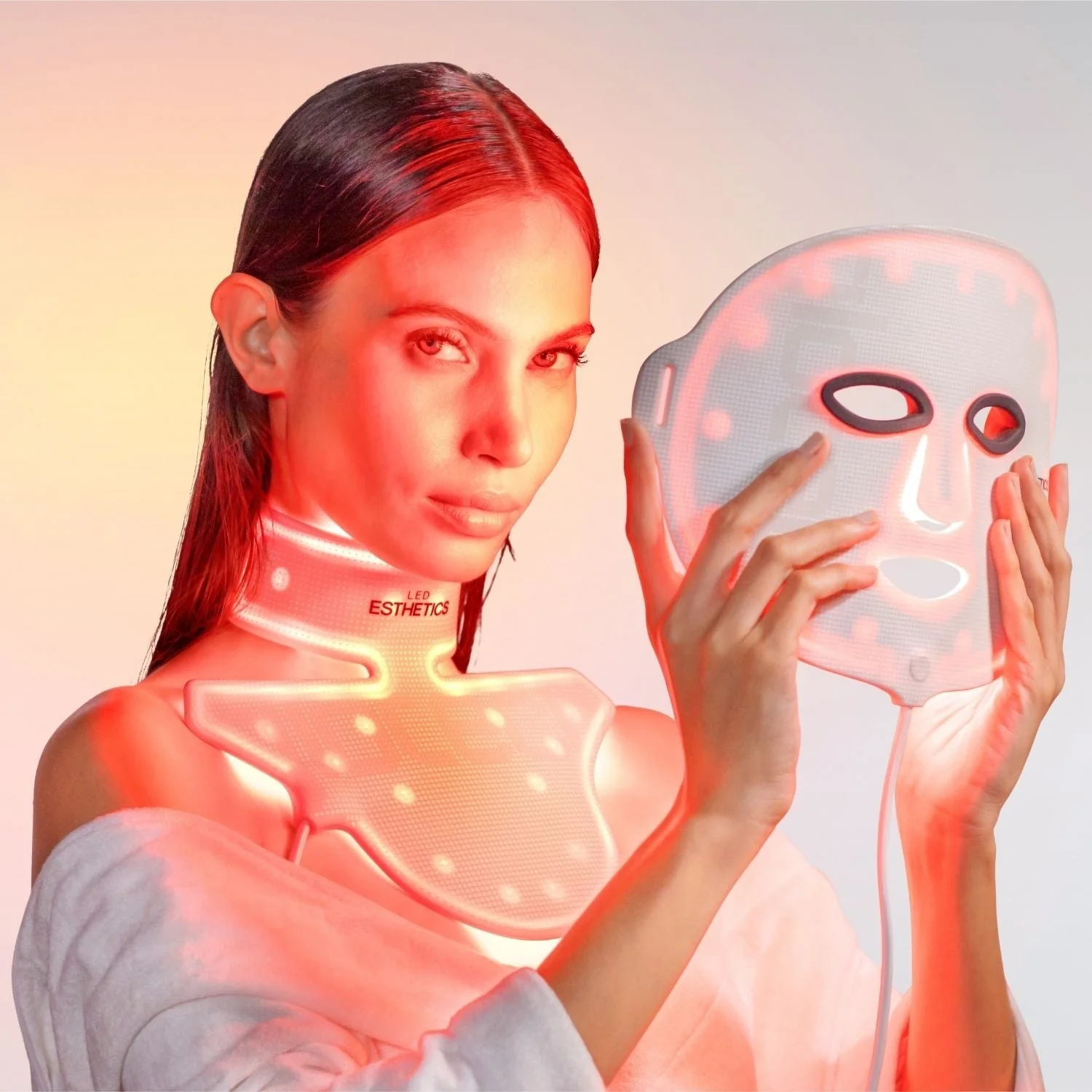
In recent years, LED therapy masks have become one of the most talked-about innovations in at-home skincare. Promising everything from acne reduction to anti-aging benefits, these futuristic-looking devices have captured the attention of beauty enthusiasts and dermatology professionals alike. But with their growing popularity comes an important question: do LED therapy masks actually work, or are they just another skincare trend?
To answer this, it’s essential to understand how these devices function, what science says about them, and whether they can truly deliver visible results.
What Are LED Therapy Masks?
LED (Light Emitting Diode) therapy masks are wearable devices designed to expose the skin to specific wavelengths of light. Unlike UV light, which can damage the skin, LED light is considered safe and non-invasive.
These masks typically cover the entire face and emit different colors of light, each targeting specific skin concerns. The most common types include red, blue, and sometimes near-infrared light. Users wear the mask for a set period, usually between 10 to 20 minutes, several times a week.
Originally developed for clinical use, LED light therapy has now been adapted into portable, user-friendly devices for home use.
How Does LED Light Therapy Work?
LED therapy works by penetrating the skin at different depths, depending on the wavelength of light used. Each color of light uniquely interacts with skin cells:
- Red light penetrates deeper layers of the skin and is associated with boosting collagen production and reducing inflammation.
- Blue light targets the surface layer and is commonly used to kill acne-causing bacteria.
- Near-infrared light goes even deeper, supporting tissue repair and healing.
This process is often referred to as photobiomodulation, where light energy stimulates cellular activity. Essentially, the skin absorbs light energy and uses it to repair and rejuvenate itself.
The Claimed Benefits of LED Therapy Masks
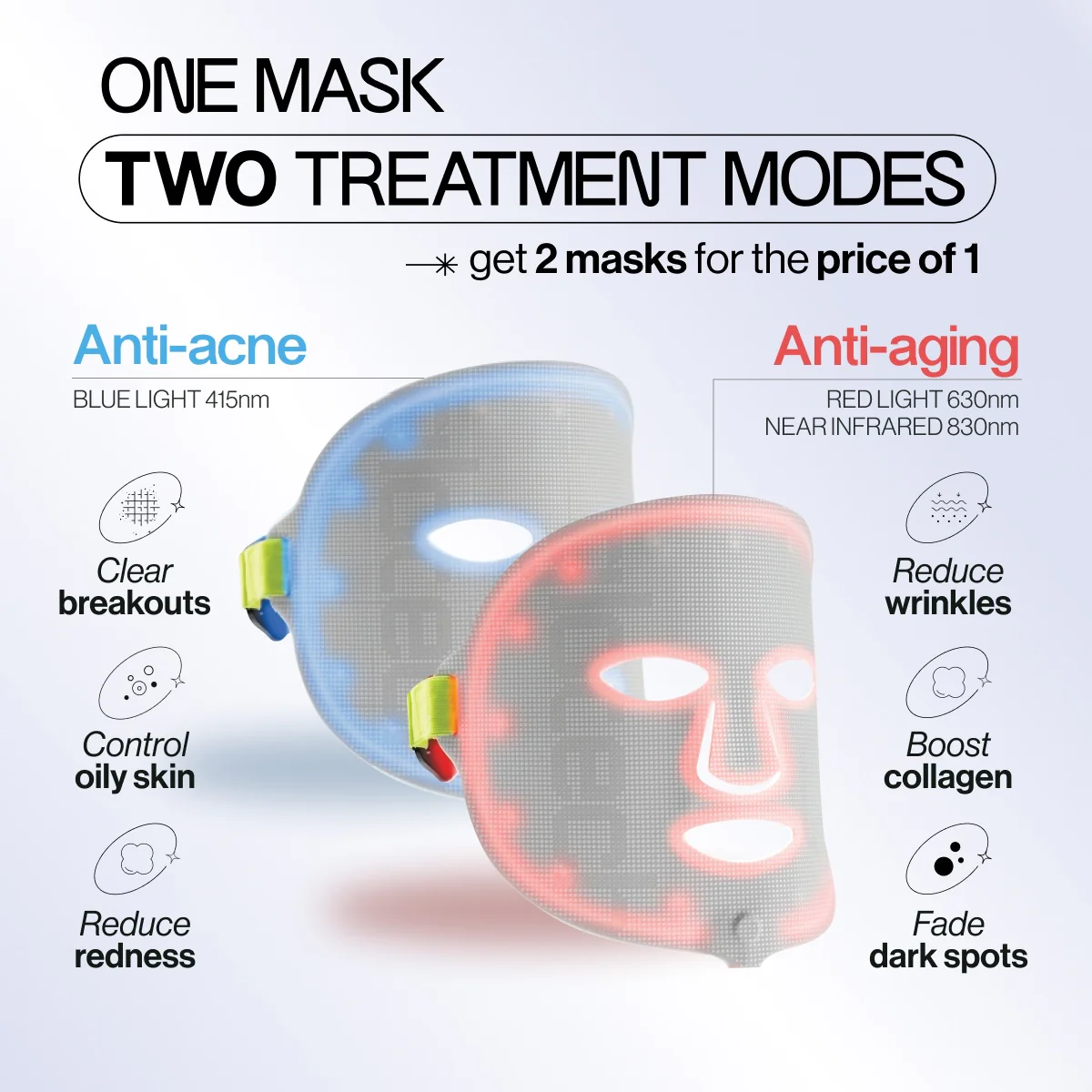
Manufacturers of LED therapy masks often highlight a wide range of benefits. Some of the most commonly advertised claims include:
- Reduction in acne and breakouts
- Improved skin texture and tone
- Decreased appearance of fine lines and wrinkles
- Enhanced collagen production
- Reduced redness and inflammation
These benefits make LED masks appealing to people looking for a non-invasive alternative to more aggressive treatments like chemical peels or laser therapy.
What Does Science Say?
Scientific research on LED light therapy is generally positive, though results can vary depending on the device and consistency of use.
Studies have shown that blue light can effectively reduce acne by targeting bacteria responsible for breakouts. Red light, on the other hand, has been linked to increased collagen production and improved skin elasticity over time.
However, it’s important to note that many clinical studies are conducted using professional-grade equipment, which is often more powerful than at-home devices. While home-use masks can still be effective, their results may be more gradual and less dramatic.
Consistency is key. Most research suggests that regular use over several weeks or months is necessary to see noticeable improvements.
At-Home vs. Professional Treatments
One of the biggest differences in effectiveness comes down to the strength of the device. Professional LED treatments performed in clinics typically use higher-intensity light and are administered by trained specialists.
At-home LED masks are designed for safety and convenience, which means they operate at lower انرزى levels. While this makes them suitable for regular use, it also means results may take longer to appear.
That said, at-home devices offer a significant advantage in accessibility. Instead of scheduling appointments, users can incorporate treatments into their daily routine.
Who Can Benefit the Most?
The LED therapy mask is suitable for a wide range of skin types and concerns. However, they tend to be most effective for:
- Mild to moderate acne
- Early signs of aging
- Dull or uneven skin tone
- Sensitive or التهاب-prone skin
People with severe skin conditions may require more intensive treatments and should consult a dermatologist before relying solely on LED therapy.
Are There Any Risks or Side Effects?
One of the biggest advantages of LED therapy masks is their safety profile. Unlike treatments that involve heat, chemicals, or invasive procedures, LED therapy is generally painless and non-damaging.
Side effects are rare but can include mild redness or irritation, especially if the device is used incorrectly or for longer than recommended.
Eye protection is important, as prolonged exposure to bright light can cause discomfort. Most masks are designed with built-in safeguards, but users should always follow manufacturer guidelines.
Setting Realistic Expectations
While LED therapy masks can deliver benefits, they are not miracle devices. Results are typically subtle and build over time with consistent use.
It’s unrealistic to expect instant transformations or dramatic changes after just a few sessions. Instead, users should view LED therapy as a supportive addition to a broader skincare routine.
Combining LED therapy with proper cleansing, moisturizing, and sun protection can enhance overall results.
How to Choose the Right LED Mask
With so many options on the market, selecting the right LED therapy mask can be overwhelming. Here are a few factors to consider:
- Light options: Choose a mask that offers the wavelengths suited to your skin concerns.
- Comfort and fit: A well-fitting mask ensures even light distribution.
- Treatment time: Shorter session times can make it easier to stay consistent.
- Safety certifications: Look for devices that meet recognized safety standards.
Reading reviews and researching brands can also help you make an informed decision.
The Bottom Line: Do They Really Work?
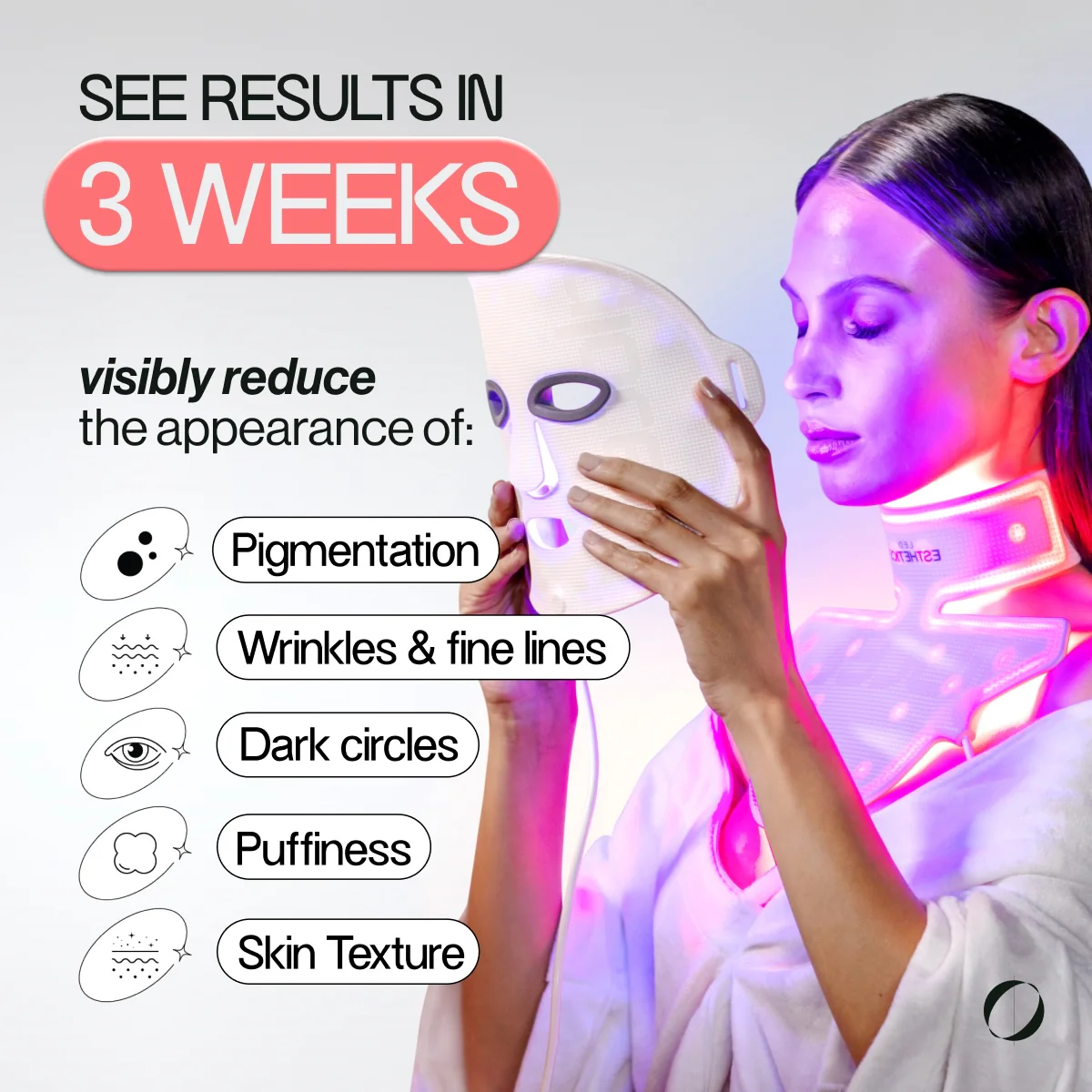
So, do LED therapy masks really work? The answer is yes—but with some caveats.
They are backed by scientific principles and have been shown to provide benefits such as reduced acne and improved skin texture. However, their effectiveness depends on factors like device quality, consistency of use, and individual skin type.
At-home LED masks are best seen as a long-term investment in skin health rather than a quick fix. When used correctly and regularly, they can be a valuable addition to your skincare routine.
Final Thoughts
LED therapy masks represent a fascinating blend of technology and skincare. They offer a safe, convenient, and non-invasive way to address common skin concerns from the comfort of home.
While they may not replace professional treatments, they can בהחלט complement them and help maintain results over time. For those willing to commit to regular use and realistic expectations, LED therapy masks can deliver noticeable improvements and a healthier, more radiant complexion.
In the end, their effectiveness comes down to consistency, patience, and choosing the right device for your needs.