




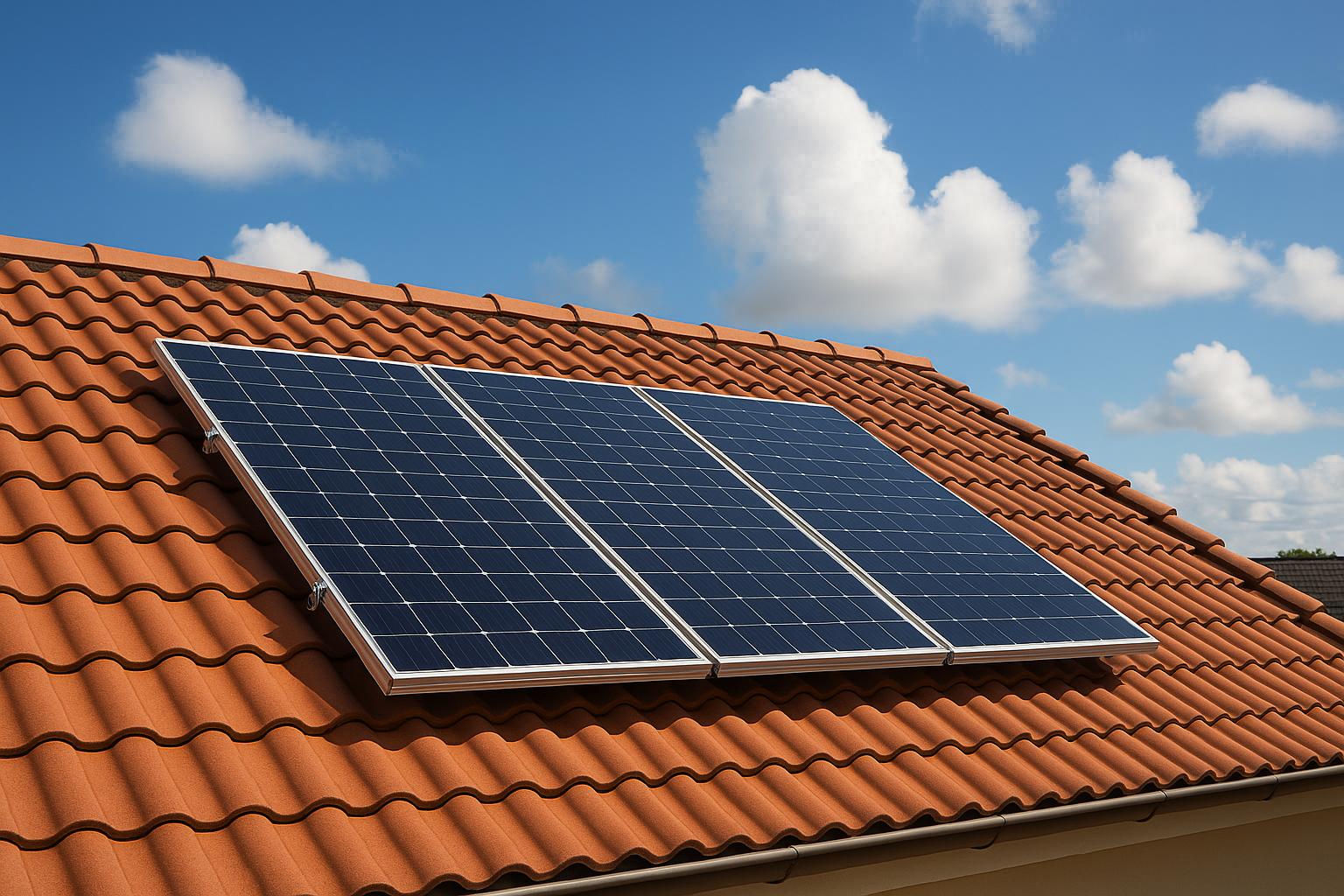
Thinking about making the switch to solar power? It’s a brilliant move for both your wallet and the environment. But before you rush into things, it’s crucial to ensure your roof is up to the task. Many homeowners face unexpected hurdles when installing solar panels, often due to overlooking some key aspects of their roof’s condition. Let’s dive into some common challenges and how to tackle them head-on, so you can enjoy the benefits of clean energy without any nasty surprises.
One of the first steps is to get your roof professionally inspected. A qualified expert can assess its age, structural integrity, and suitability for supporting the weight of solar panels. Neglecting this initial assessment can lead to costly repairs down the track. Ensuring your roof is in tip-top shape sets the stage for a smooth and efficient solar panel services installation process.
Assessing your roof’s suitability for solar panels
So, what exactly makes a roof “solar-ready”? There are several factors to consider, from the roof’s age and material to its orientation and shading.
Roof age and condition
An older roof might seem sturdy, but it could be nearing the end of its lifespan. Installing solar panels on a roof that’s due for replacement means you’ll have to remove and reinstall the panels when the time comes, adding unnecessary costs and hassle. Ideally, your roof should have at least 20 years of life left in it. Look for signs of wear and tear, such as cracked or missing tiles, rust, or sagging. Addressing these issues beforehand will save you headaches later on.
Roof material
The type of roofing material also plays a significant role. Tile roofs, for example, require specialised mounting systems that can be more expensive and complex to install. Metal roofs are generally more straightforward, while asbestos roofs present a whole different set of challenges due to safety regulations and disposal requirements. Understanding the specific needs of your roof material is essential for a successful solar installation.
Roof orientation and shading
The direction your roof faces and the amount of sunlight it receives are critical for maximising energy production. North-facing roofs generally receive the most sunlight in the southern hemisphere, but even a slight deviation can impact performance. Shading from trees, buildings, or other obstructions can also significantly reduce the amount of sunlight reaching your panels. A professional assessment can help determine the optimal placement of your panels to minimise shading and maximise energy generation.
Common roof-related challenges and solutions
Even with a relatively new and well-maintained roof, you might still encounter some challenges during the solar panel installation process. Here are a few common issues and how to address them.
Structural integrity
Solar panels add weight to your roof, and it’s crucial to ensure that your roof structure can handle the extra load. Older homes, in particular, may have weaker roof structures that need reinforcement. A structural engineer can assess your roof’s load-bearing capacity and recommend any necessary upgrades, such as adding extra supports or reinforcing the rafters. This is a non-negotiable step to ensure the safety and longevity of your solar system.
Electrical compatibility
Your home’s electrical system needs to be compatible with the solar panel system. This includes ensuring that your electrical panel has enough capacity to handle the additional power generated by the panels. If your panel is outdated or undersized, you may need to upgrade it, which can add to the overall cost of the installation. A qualified electrician can assess your electrical system and recommend any necessary upgrades to ensure seamless integration with your solar panels.
Council regulations and permits
Navigating local council regulations and obtaining the necessary permits can be a daunting task. Different councils have different requirements for solar panel installations, and it’s essential to comply with these regulations to avoid fines or delays. A reputable solar installer will typically handle the permit application process on your behalf, ensuring that your installation meets all the necessary requirements. Don’t underestimate the importance of compliance – it’s a crucial step in ensuring a hassle-free installation.
Beyond solar: other home services to consider
While you’re thinking about improving your home’s energy efficiency, it’s a good time to consider other services that can enhance your comfort and reduce your energy bills. For example, ensuring you have a reliable air conditioning service is essential for staying cool during those scorching summer months. A well-maintained air conditioner can significantly reduce your energy consumption, complementing the savings you’ll achieve with solar panels.
Similarly, having a reliable hot water mandurah system is crucial for everyday convenience. Upgrading to a more energy-efficient model can save you money on your water heating bills and reduce your carbon footprint. Combining solar panels with energy-efficient appliances and systems can create a truly sustainable and cost-effective home.
Maintaining your solar panels for optimal performance
Once your solar panels are installed, it’s essential to maintain them properly to ensure optimal performance and longevity. Regular cleaning can remove dust, dirt, and debris that can reduce the amount of sunlight reaching your panels. A simple wash with water and a soft brush is usually sufficient, but you may need to hire a professional cleaner for more stubborn grime. It’s also important to monitor your system’s performance regularly to identify any potential issues early on.
Investing in regular inspections and maintenance can help you avoid costly repairs and ensure that your solar panels continue to generate clean energy for years to come. Think of it as preventative care for your investment. Just like servicing your car, maintaining your solar panels will keep them running smoothly and efficiently.
Embracing solar energy is a significant step towards a more sustainable future. By addressing potential roof-related challenges and investing in regular maintenance, you can ensure that your solar panels provide you with clean, affordable energy for many years to come. And with reliable solar panel services available, the transition to solar power has never been easier.
Frequently Asked Questions
How do I know if my roof is strong enough for solar panels?
A structural engineer or experienced solar installer can assess your roof’s load-bearing capacity and determine if it needs reinforcement. They’ll consider factors like the age of your roof, the type of roofing material, and the local building codes.
What type of roof is best for solar panels?
Metal roofs are generally considered the best option due to their durability and ease of installation. However, solar panels can be installed on most types of roofs, including tile, shingle, and flat roofs, with the appropriate mounting systems.
How much maintenance do solar panels require?
Solar panels typically require minimal maintenance. Regular cleaning to remove dust and debris is recommended, and it’s a good idea to have your system inspected periodically by a professional.
How long do solar panels last?
Most solar panels come with a 25-year warranty, and they can often last even longer with proper maintenance. The lifespan of your solar panels will depend on factors like the quality of the panels, the climate, and the level of maintenance.
What happens if my roof needs to be replaced after solar panels are installed?
If your roof needs to be replaced, the solar panels will need to be removed and reinstalled. This can add to the cost of the roof replacement, so it’s important to consider the age and condition of your roof before installing solar panels.