




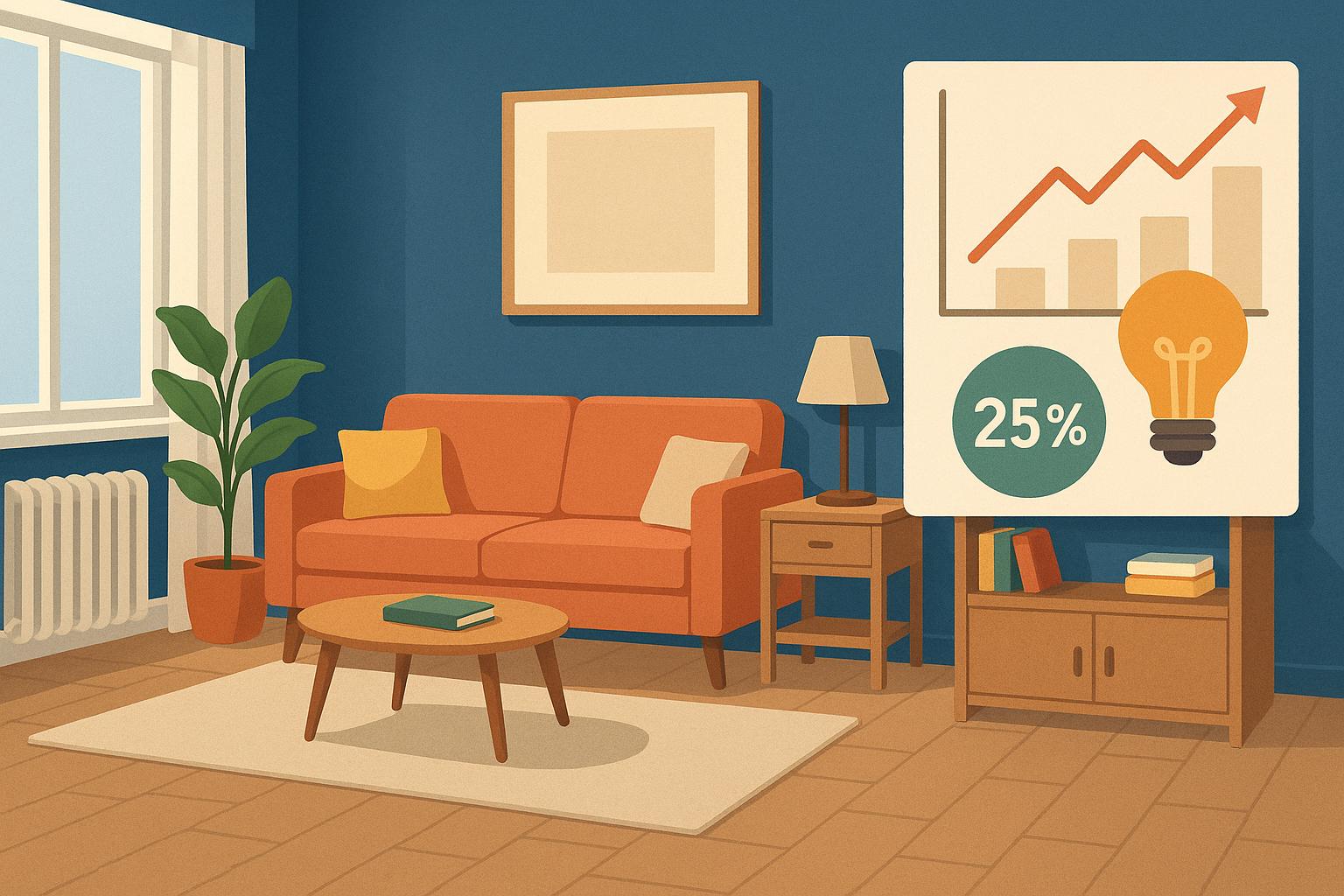
When we think about lowering utility costs, our minds usually jump to smart thermostats, LED bulbs, or high-efficiency appliances. However, a significant and often overlooked factor in a home’s thermal efficiency is the physical arrangement of its interior. The way we position our desks, sofas, and shelving units creates a series of micro-climates and airflow patterns that either assist or sabotage an HVAC system.
Understanding the physics of heat transfer and air circulation allows homeowners to optimize their living spaces for comfort without forcing the furnace to work overtime.
The Obstruction Factor: Airflow and Ventilation
The most immediate impact furniture has on energy bills is through the physical blockage of vents and radiators. In many modern layouts, the desire to hide unsightly HVAC grilles leads residents to push large sectionals or heavy cabinets directly against them.
Forced Air Interference
When a sofa is placed over a floor vent, the heated or cooled air is trapped beneath the furniture. Instead of circulating through the room, the thermal energy is absorbed by the upholstery and wood frame. This creates a localized “hot spot” while the rest of the room remains uncomfortable, triggering the thermostat to run longer cycles. Maintaining a clearance of at least twelve inches around all vents is a fundamental rule for maintaining consistent air pressure and temperature.
Radiant Heat Absorption
For homes with baseboard heaters or radiators, the “dead zone” created by poorly placed furniture is even more pronounced. Large pieces of home furniture made from dense materials like solid wood or heavy composite can act as heat sinks, drawing warmth away from the center of the room and radiating it back toward the wall. By pulling these items just a few inches away from the perimeter, you allow for natural convection currents to carry heat upward and outward.
Thermal Bridging and Wall Insulation
In many regions, the temperature of an exterior wall can be significantly lower than that of an internal partition. Placing high-backed furniture such as large bookcases or wardrobes against an uninsulated exterior wall can actually provide a secondary layer of “buffer” insulation.
This technique, often called “furniture insulation,” reduces the rate of heat loss through the building envelope. However, it requires a delicate balance; if a wardrobe is pushed flush against a cold wall in a humid climate, it can trap moisture and lead to condensation. A slight gap allows for enough airflow to prevent dampness while still acting as a thermal barrier.
Strategic Layouts for Natural Lighting
Energy efficiency isn’t just about climate control; it’s also about reducing the “lighting load.” A layout that ignores the position of windows often forces residents to rely on overhead lights even during peak daylight hours.
- Mirror Placement: Positioning a large floor mirror opposite a primary window can bounce natural light into darker corners of a room, effectively doubling the perceived illumination.
- Workstation Orientation: Placing desks perpendicular to windows reduces screen glare while providing enough natural light for tasks, delaying the need to flip a switch until dusk.
Balancing Aesthetics and Efficiency
While optimizing for energy is practical, a home must still remain livable. The challenge often lies in open-concept floor plans where there are fewer walls to guide airflow. In these spaces, using area rugs on hard surfaces can provide significant underfoot insulation, reducing the “perceived cold” that often leads people to turn up the thermostat.
Limitations of Furniture Re-arrangement
It is important to note that furniture layout is a supplementary strategy. It cannot compensate for poor attic insulation or single-pane windows. However, in a well-insulated home, a smarter floor plan can contribute to a 5% to 10% reduction in monthly climate control costs by reducing the frequency of HVAC cycling.
Quality and Efficiency at Scale
While layout is vital, the materials themselves play a role. Retailers like RC Willey often provide specifications on the density and thermal properties of their pieces, which helps homeowners choose items that won’t act as massive heat-absorbers in the summer or cold-sinks in the winter. High-quality upholstery and dense wood frames hold ambient room temperature much more effectively than thin plastics or metals.
Frequently Asked Questions
Can curtains really help with energy bills?
Yes. Heavy, thermal-lined drapes act as a flexible barrier. Closing them at night during the winter prevents heat from escaping through glass, while keeping them shut during the day in summer blocks solar gain.
Does the material of the furniture matter?
To an extent. Metal furniture conducts heat quickly and can feel colder to the touch, whereas wood and fabric retain ambient room temperature more effectively, contributing to a sense of “thermal comfort” that keeps you from reaching for the heater.
Is it better to keep interior doors open or closed?
For most modern central air systems, keeping interior doors open encourages better return-air flow to the furnace, which maintains balanced pressure throughout the house and prevents the system from straining.