





You may think of pest control as something you need only after spotting ants in the kitchen or hearing scratching in the attic. Yet many pest problems begin before you notice clear signs. Termites can weaken wood quietly, while rodents can enter through small gaps and damage materials. Mosquitoes and stinging insects can also make your yard less comfortable and harder to enjoy.
Professional pest management gives you a proactive way to deal with these risks. Trained technicians can inspect your property, identify signs of pest activity, treat affected areas, and find conditions that may invite pests inside. Preventive measures can also help limit access and reduce the chance of recurring problems.
From early detection and structural protection to pest exclusion and ongoing care, professional pest management can safeguard your home in several practical ways.
Prevent Pest Problems Before They Spread
Pests can multiply quickly when they find food, moisture, warmth, or shelter. An occasional ant near your kitchen may seem harmless, but repeated sightings can point to a larger problem. The same applies to droppings, damaged materials, nests, or scratching sounds. Recognizing these signs early can help you address pest activity before it becomes harder to control.
Professional pest technicians can inspect common hiding and entry areas around your property. They can look for signs that may be easy to overlook and identify conditions that support pest activity. Treatment can then target the specific pests and areas involved rather than relying on guesswork.
Routine pest control can provide another layer of protection. Regular visits allow technicians to monitor pest activity and address covered problems before they become major infestations. For homeowners seeking professional support, companies such as PMSI offer recurring residential pest control as part of year-round home protection.
Limit Structural Pest Damage
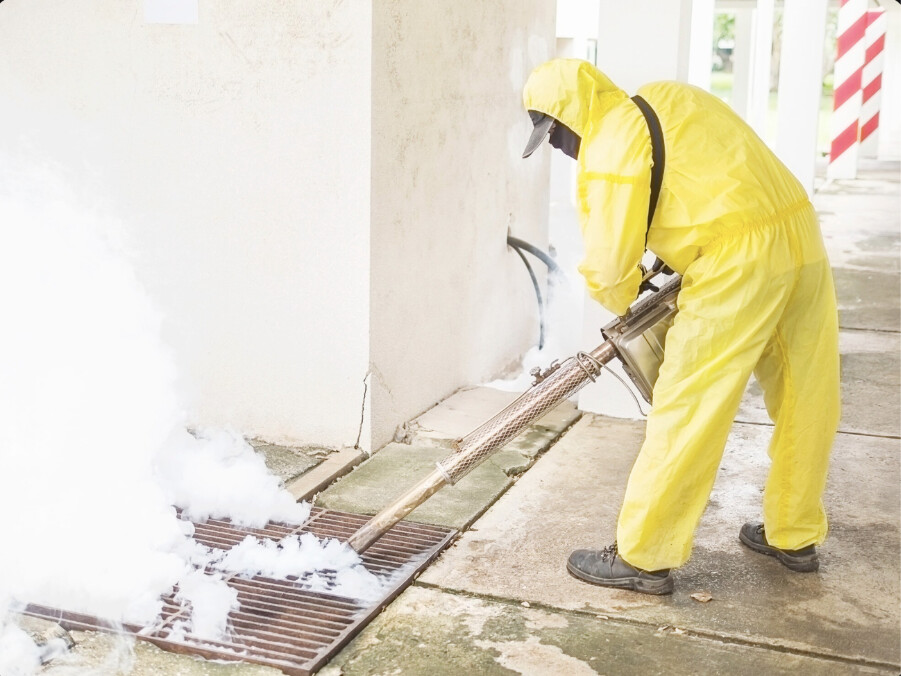
Some pests threaten more than your comfort. Termites and other wood-destroying insects can affect wooden components of your home, sometimes without obvious signs during the early stages. Rodents can create a different set of concerns by chewing insulation, wiring, and other materials as they move through attics, walls, and other areas.
Professional termite inspections can help identify signs of activity and conditions that may increase your home’s risk. Treatment methods such as termite barriers and bait systems can then target termite activity and help protect vulnerable parts of the property. Regular inspections are particularly valuable because early termite activity may not produce obvious damage that you can easily spot yourself.
Rodent control can also protect your home from physical damage. Removing rodents addresses the immediate infestation, while exclusion work can help close the openings that allowed rodents to enter.
Protect Family Living Spaces
Pest activity can affect the areas where you spend time with your family. Mosquitoes can make patios and yards uncomfortable, while wasps, hornets, and yellowjackets may create safety concerns near entrances, play areas, and outdoor gathering spaces.
Professional mosquito treatments can help reduce mosquito activity around outdoor living areas. Seasonal treatment programs can target areas where mosquitoes rest and reproduce, helping reduce pest pressure around frequently used parts of your yard. Reducing mosquito activity can make outdoor spaces more comfortable while limiting exposure to biting insects.
Stinging insects require particular care because disturbing an active nest can cause defensive behavior. Professional technicians can locate and treat nests using appropriate methods, reducing the need for you to approach the nest yourself. Professional treatment can also help address nests in difficult-to-reach locations, such as rooflines, wall voids, or elevated areas.
Block Hidden Pest Entry

Treating pests inside your home does not always address the reason they entered. Small gaps around doors, windows, vents, foundations, roofs, and utility openings can provide access for rodents and wildlife. If those openings remain available, pests may return after removal.
Professional inspections can help identify entry points that are difficult to spot during a routine walk around your property. Sealing vulnerable areas can make your home less accessible to unwanted animals. Exclusion is valuable because it focuses on preventing access rather than relying only on repeated treatments after pests have already entered.
Wildlife control can also combine removal with prevention. Animals such as squirrels, bats, and raccoons may enter attics or other enclosed spaces when they find an accessible opening. Removing the animal without addressing the entry point may leave the property vulnerable to another intrusion, so prevention should remain part of a complete wildlife management approach.
Maintain Long-Term Pest Protection
Pest risks can change throughout the year. Warmer weather may increase insect activity, while colder conditions can drive rodents and wildlife toward sheltered areas. Construction, landscaping, moisture, and changes around your property can also create new opportunities for pests to enter or settle.
Ongoing pest management helps you respond to those changing conditions. Regular inspections and treatments can identify new activity and address problems before they become extensive. Instead of waiting for a serious infestation, you can use scheduled service as part of your broader home maintenance routine.
A consistent pest management plan can also bring several services together when your property faces multiple risks. Companies offer residential pest control alongside services for concerns such as termites, mosquitoes, rodents, stinging insects, and wildlife, allowing homeowners to address different pest threats through one professional provider.
Conclusion
Pest management companies safeguard your home by detecting pest activity early, treating active infestations, limiting entry points, protecting vulnerable structures, and providing ongoing monitoring. Termite control can help limit structural risks, rodent exclusion can reduce repeat entry, and mosquito or stinging-insect treatments can make outdoor areas more comfortable.
You can start by checking your property for warning signs such as droppings, damaged wood, nests, scratching sounds, or gaps around potential entry points. If you notice repeated pest activity or signs of damage, consider a professional inspection. Early attention can help you address the problem before it becomes a larger threat to your home.