




Table of Contents
1. Understanding the Cold Sore Lifecycle and the “Tingle Stage”
2. The Science Behind Aciclovir: How it Works Against HSV-1
3. Why Early Intervention Matters: The Golden Window
4. Recognizing the Tingle Stage: Subtle Signs to Watch For
5. Optimal Timing for Aciclovir Application
6. Aciclovir Formulations and Their Dosing Regimens
7. Practical Application Tips for Aciclovir Cream
8. Oral Aciclovir: When and How It Differs
9. Beyond Aciclovir: Complementary Strategies
10. Preventing Future Outbreaks and Long-Term Management
Cold sores, also known as fever blisters, are a common and often irritating manifestation of the Herpes Simplex Virus type 1 (HSV-1). For many who experience them, the discomfort and visible nature of a cold sore can be a source of significant distress. The key to mitigating their impact, and often preventing their full eruption, lies in early and decisive action, particularly at what is known as the “tingle stage.” This comprehensive guide delves into the critical importance of timing and precise dosing when using Aciclovir, a frontline antiviral medication, to combat these pesky outbreaks.
1. Understanding the Cold Sore Lifecycle and the “Tingle Stage”
To effectively treat a cold sore, it is essential to understand its natural progression. HSV-1, once contracted, resides latently in the nerve cells near the site of initial infection, typically around the mouth. Various triggers can reactivate the virus, leading to an outbreak. These triggers can include stress, sunlight exposure, fever, hormonal changes, or even minor trauma to the lips.
The lifecycle of a cold sore generally follows several distinct stages:
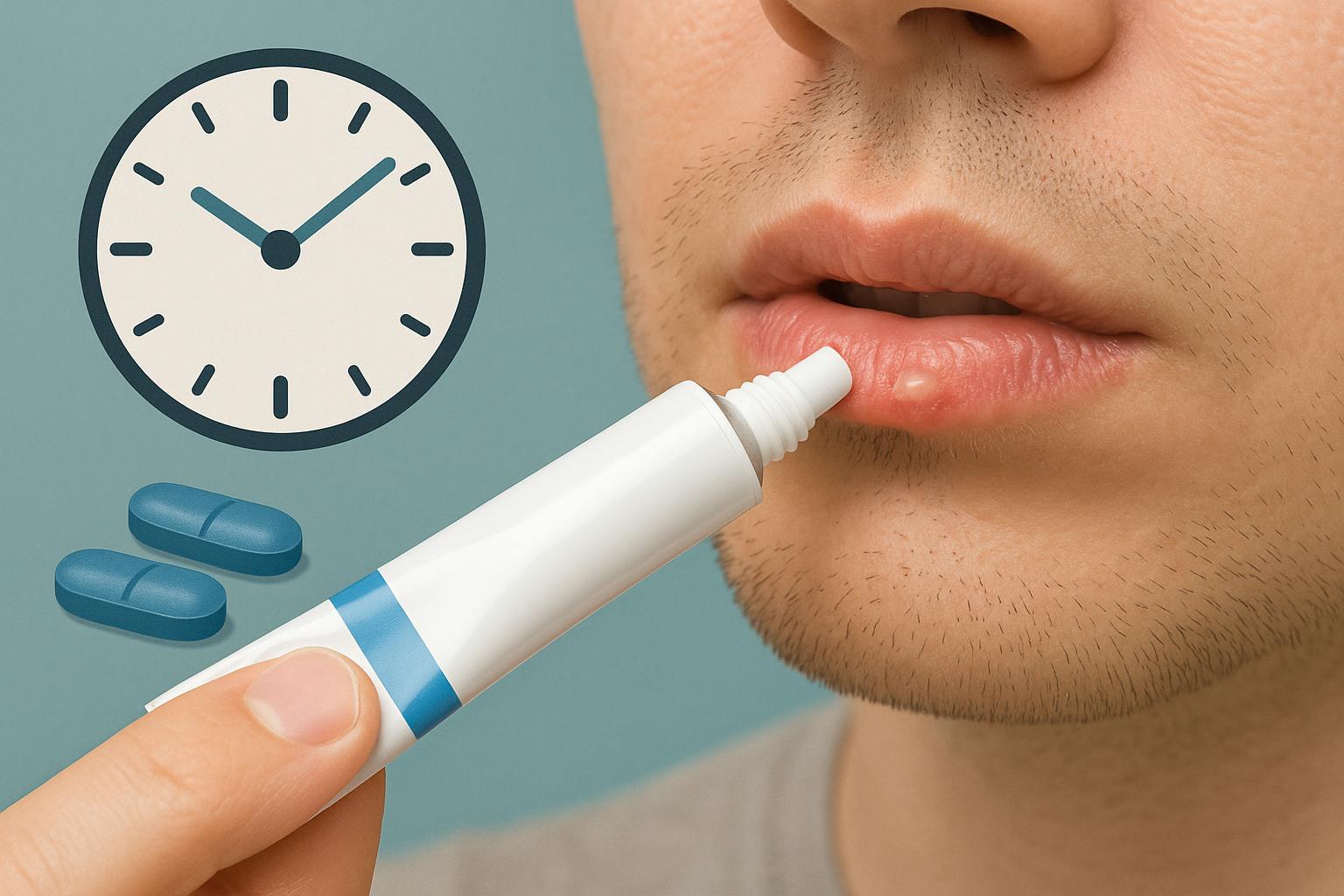
1. Prodromal (Tingle) Stage: This is the earliest and most crucial stage for intervention. It usually lasts from a few hours to a day. Individuals often report a tingling, itching, burning, or numb sensation around the lips or mouth where the cold sore is about to appear. There might be no visible signs yet, or perhaps just a slight redness.
2. Blister Stage: Within a day or two of the tingle stage, small, fluid-filled blisters begin to emerge, often in clusters. These blisters can be painful and are highly contagious.
3. Weeping/Ulcer Stage: The blisters burst, leaving open sores or ulcers. This stage is often the most painful and contagious, as the fluid released contains a high concentration of active virus particles.
4. Crusting Stage: The sores begin to dry out and form scabs or crusts. The area might itch or crack, but healing has begun.
5. Healing Stage: The scabs eventually fall off, revealing new skin underneath. The entire process, from tingle to healing, can take 7 to 14 days without treatment.
Recognizing and acting during the prodromal or tingle stage is paramount. This is the period when the virus is actively replicating and moving towards the skin surface, but before significant lesion formation has occurred.
2. The Science Behind Aciclovir: How it Works Against HSV-1
Aciclovir is an antiviral medication specifically designed to combat the herpes simplex virus. It belongs to a class of drugs called nucleoside analogues. Its mechanism of action is quite ingenious and highly targeted:
1. Selective Activation: Aciclovir is a prodrug, meaning it is inactive until it is converted within the body. This conversion primarily happens inside virus-infected cells. The herpes virus produces an enzyme called thymidine kinase. This enzyme is crucial for the virus’s replication process.
2. Viral DNA Replication Inhibition: Once inside an HSV-infected cell, viral thymidine kinase phosphorylates aciclovir, transforming it into its active triphosphate form. This active form then gets incorporated into the growing viral DNA chain during replication.
3. Chain Termination: Because aciclovir lacks a critical hydroxyl group, its incorporation into the viral DNA chain acts as a “dead end,” preventing further nucleotides from being added. This effectively terminates the viral DNA synthesis, halting the virus’s ability to replicate and spread.
4. Minimal Host Cell Impact: A key advantage of aciclovir is its selective action. Human cells have very low levels of viral thymidine kinase, meaning aciclovir is not readily activated in uninfected cells. This selectivity is what makes aciclovir effective against the virus while minimizing harm to healthy human cells, leading to fewer side effects compared to non-selective antivirals.
By interfering with viral DNA replication, Aciclovir significantly reduces the viral load, thereby lessening the severity, duration, and pain associated with a cold sore outbreak. Its efficacy is directly proportional to how early it is introduced into this viral replication cycle.
3. Why Early Intervention Matters: The Golden Window
The concept of a “golden window” is particularly pertinent when treating cold sores with Aciclovir. This window refers to the short period during the tingle stage when antiviral treatment is most effective. Once the blisters have fully formed and begin to weep, the virus has already replicated extensively, and while treatment can still help, its impact on reducing severity and duration is diminished.
Starting Aciclovir at the first sign of tingling can:
1. Prevent Lesion Formation: In many cases, timely application can stop the cold sore from fully developing into a visible blister. This is the ideal outcome for anyone prone to outbreaks.
2. Reduce Severity: If a blister does form, early treatment can make it smaller and less painful.
3. Shorten Duration: The healing time for an outbreak can be significantly reduced, often by several days, compared to untreated cold sores.
4. Decrease Contagiousness: By limiting viral replication, early treatment may also reduce the amount of virus present, potentially lowering the risk of transmission to others.
5. Lessen Pain and Discomfort: Fewer active virus particles mean less inflammation and nerve irritation, leading to a more comfortable experience.
Think of it like putting out a small fire versus a raging inferno. It is far easier and more effective to extinguish the first spark (tingle) than to battle a fully developed blaze (blister). This is why having Aciclovir readily available, perhaps even before an outbreak begins, is a strategic move for those who frequently suffer from cold sores. Many people find it convenient to order their medications online, and services like Post My Meds offer a discreet way to ensure you have your Aciclovir when you need it most, at the very first tingle.
4. Recognizing the Tingle Stage: Subtle Signs to Watch For
Accurate and prompt recognition of the tingle stage is the cornerstone of effective cold sore treatment. While some individuals experience a very distinct tingling sensation, others might notice more subtle cues. It is crucial to become attuned to your body’s specific signals.
Common indicators of the tingle stage include:
1. Localized Itching: A persistent itch around the lips, especially in a spot where a cold sore typically appears.
2. Burning Sensation: A feeling of warmth or a mild burning sensation on or near the lip.
3. Tingling or Prickling: A sensation similar to “pins and needles” in a specific area.
4. Numbness: Some individuals report a slight numbness or dull ache.
5. Tightness or Tenderness: The skin might feel unusually tight or tender to the touch in the affected area.
6. Slight Redness: Occasionally, a very faint patch of redness might appear, even before any swelling or blistering.
It is important to differentiate these sensations from general lip dryness or irritation. The key is the localized, often familiar, nature of these sensations. For those who frequently get cold sores, these prodromal symptoms become a highly recognizable warning sign. The moment you feel any of these, even if you doubt it is a cold sore, it is time to consider immediate intervention.
5. Optimal Timing for Aciclovir Application
As discussed, timing is everything. The optimal window for applying Aciclovir cream is literally at the very first sensation of the tingle stage. This means having the cream on hand and applying it immediately, without delay.
Even a delay of a few hours can reduce the effectiveness of the treatment. The virus begins replicating rapidly once reactivated, and each passing moment allows it to gain more ground. The goal is to inhibit this replication process before it can manifest into visible lesions.
If you miss the absolute first tingle, it is still beneficial to apply Aciclovir cream as soon as possible, even if a small blister has started to form. However, its ability to prevent full lesion development decreases with time. It is generally recommended to start treatment within 24 hours of the first symptoms for maximum benefit. Beyond this, while it can still help shorten the duration, its impact is less dramatic.
For those who experience frequent or severe outbreaks, discussing prophylactic or suppressive therapy with a healthcare professional might be an option. This often involves taking oral antiviral medication daily to prevent outbreaks altogether.
6. Aciclovir Formulations and Their Dosing Regimens
Aciclovir is available in several formulations, with the most common for cold sores being topical cream and oral tablets. The dosing regimen varies significantly between these forms.
Aciclovir Topical Cream
This is the most common and readily available form for self-treatment of cold sores.
1. Concentration: Typically 5% w/w.
2. Application Frequency: Apply five times a day, approximately every 4 hours, skipping the nighttime application.
3. Duration of Treatment: Continue for 4 to 5 days. If the cold sore persists beyond this, or if symptoms worsen, consult a healthcare professional. Do not exceed 10 days of continuous use without medical advice.
4. Method: Wash hands thoroughly before and after application. Apply a small amount of cream to cover the affected area and the immediate surrounding skin. Gently rub it in. Avoid touching your eyes and sharing the cream applicator.
Aciclovir Oral Tablets
Oral Aciclovir is generally prescribed for more severe or frequent outbreaks, or when topical treatment is not feasible or effective. It works systemically throughout the body.
1. Dosage: Common dosages for cold sores range from 200 mg to 400 mg per tablet.
2. Frequency for Acute Outbreaks: A typical regimen for an acute cold sore outbreak might be 200 mg five times a day for 5 days, or 400 mg three times a day for 5 days, or even a higher dose for a shorter duration (e.g., 800 mg twice a day for 1 day). The exact dosage and frequency will be determined by a doctor based on the individual’s history and the severity of the outbreak.
3. Frequency for Suppressive Therapy: For individuals with very frequent outbreaks (e.g., six or more per year), a doctor might prescribe a suppressive regimen, such as 400 mg twice daily for an extended period.
4. Method: Take tablets with a glass of water, with or without food. It is crucial to complete the full course of treatment as prescribed, even if the symptoms improve sooner.
It is vital to follow the specific instructions provided by your doctor or pharmacist for oral Aciclovir, as dosages can vary. For those seeking convenient access to prescribed medications, platforms like Post My Meds can facilitate the acquisition of oral Aciclovir after a proper consultation.
7. Practical Application Tips for Aciclovir Cream
Proper application of Aciclovir cream maximizes its effectiveness and minimizes the risk of spreading the virus.
1. Clean Hands: Always wash your hands thoroughly with soap and water before and after applying the cream. This prevents bacterial contamination of the cold sore and reduces the risk of spreading the virus to other parts of your body (like your eyes) or to others.
2. Thin Layer: Apply only a thin layer of cream, just enough to cover the tingling or affected area and a small margin of surrounding healthy skin. Do not over-apply, as this does not increase efficacy but can waste medication.
3. Gentle Rubbing: Gently rub the cream into the skin until it is no longer visible.
4. Avoid Touching: After application, avoid touching the treated area unnecessarily. Refrain from picking or scratching the cold sore.
5. Separate Applicators: If using a tube, consider using a cotton swab or a clean fingertip for each application to avoid contaminating the tube itself. If using a pump dispenser, ensure the nozzle is clean.
6. No Sharing: Never share your Aciclovir cream with anyone else, even if they have a cold sore. This is a personal medication.
7. Makeup and Lip Balm: If you need to apply makeup or lip balm, do so after the Aciclovir cream has fully absorbed into the skin. It is generally advisable to avoid makeup directly on an active cold sore to prevent irritation and bacterial infection.
Consistency is key. Missing applications can reduce the overall effectiveness of the treatment, allowing the virus more opportunities to replicate.
8. Oral Aciclovir: When and How It Differs
Oral Aciclovir offers a distinct advantage over topical cream in certain situations. While topical cream works directly at the site of infection, oral medication provides systemic treatment, meaning the active drug reaches the virus wherever it is replicating in the body.
When Oral Aciclovir is Preferred or Necessary:
1. Frequent or Severe Outbreaks: For individuals who experience very frequent, painful, or prolonged cold sore outbreaks, oral Aciclovir is often more effective in managing and preventing them.
2. Multiple Lesions or Large Areas: If cold sores appear in multiple locations or cover a large area, topical cream may not be practical or as effective. Oral medication can treat all affected areas simultaneously.
3. Immunocompromised Individuals: People with weakened immune systems (e.g., due to HIV/AIDS, chemotherapy, or organ transplantation) are more susceptible to severe and widespread HSV infections. Oral Aciclovir is crucial for managing outbreaks in these patients.
4. Prophylactic Use: For those who can anticipate a trigger (e.g., dental surgery, intense sun exposure), a short course of oral Aciclovir can be prescribed to prevent an outbreak.
5. Topical Treatment Failure: If topical Aciclovir cream is consistently ineffective, oral medication may be necessary.
Key Differences from Topical Cream:
1. Systemic Action: Oral Aciclovir circulates throughout the bloodstream, reaching the virus in nerve cells and at the skin surface, offering a more comprehensive attack on the virus.
2. Prescription Only: Oral Aciclovir is a prescription-only medication, requiring a consultation with a healthcare professional to assess suitability and determine the correct dosage.
3. Potential for Side Effects: While generally well-tolerated, oral Aciclovir can have systemic side effects, though these are usually mild (e.g., headache, nausea, diarrhea). Serious side effects are rare.
4. Convenience: For some, taking a tablet a few times a day is more convenient than applying cream five times a day, especially when at work or traveling.
Both topical and oral Aciclovir are effective, but the choice depends on the individual’s specific needs, the severity of their condition, and medical history. Consulting a doctor or pharmacist is always recommended to determine the most appropriate treatment plan. For those requiring a prescription for oral Aciclovir, online pharmacies such as Post My Meds can often provide a streamlined and confidential service.
9. Beyond Aciclovir: Complementary Strategies
While Aciclovir is a highly effective antiviral, a holistic approach combining medication with other strategies can further enhance treatment outcomes and overall well-being.
1. Pain Management:
Over-the-counter pain relievers like ibuprofen or paracetamol can help manage the pain and discomfort associated with cold sores.
Topical anaesthetic creams containing lidocaine or benzocaine can provide temporary relief from itching and pain.
2. Moisture and Protection:
Keep the cold sore moist with a non-medicated lip balm or petroleum jelly (after Aciclovir has absorbed) to prevent cracking and promote healing.
Use a lip balm with SPF to protect against sun exposure, a common trigger for some.
3. Hygiene Practices:
Continue meticulous hand washing, especially after touching the cold sore.
Avoid sharing utensils, drinking glasses, towels, or other personal items.
Refrain from kissing during an active outbreak.
4. Diet and Supplements:
Some individuals find that certain dietary adjustments, such as reducing arginine-rich foods (e.g., nuts, chocolate, oats) and increasing lysine-rich foods (e.g., dairy, fish, chicken), can help. However, scientific evidence for this is mixed.
Lysine supplements are popular, with some studies suggesting they may help reduce the frequency and severity of outbreaks, though more robust research is needed.
Zinc supplements, particularly topical zinc oxide, have also shown some promise in reducing healing time.
5. Stress Reduction:
Stress is a major trigger for many. Implementing stress-reduction techniques like meditation, yoga, deep breathing exercises, or spending time in nature can be beneficial.
6. Avoid Triggers:
Identify and avoid personal cold sore triggers. This could include excessive sun exposure (use SPF lip balm), extreme weather, certain foods, or inadequate sleep.
These complementary strategies, when used in conjunction with Aciclovir, provide a comprehensive shield against the discomfort and progression of cold sores.
10. Preventing Future Outbreaks and Long-Term Management
Managing cold sores extends beyond treating an active outbreak;